
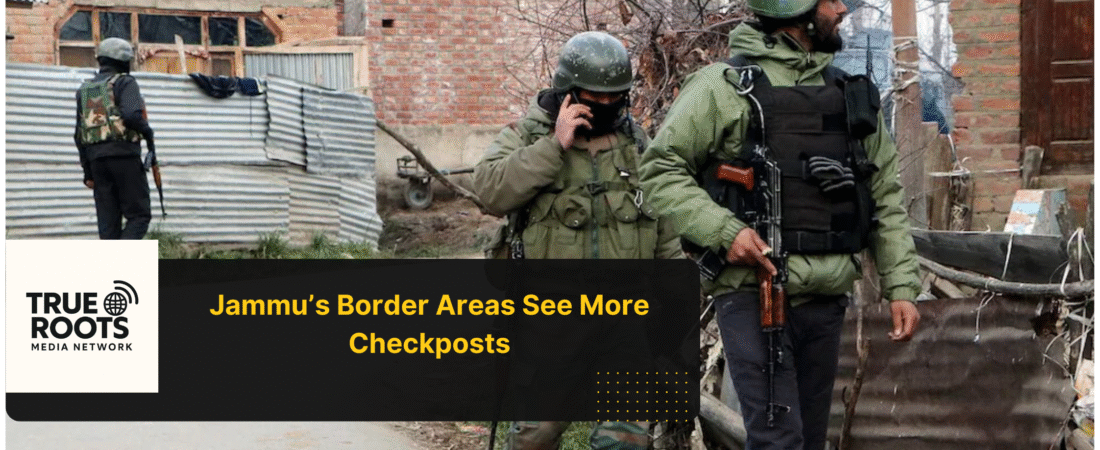
Jammu’s border villages in Kathua and Samba woke to a heavier military presence today, September 24, 2025, as the Indian Army’s White Knight Corps ramped up patrols and set up new checkposts along the Line of Control (LoC). The move, sparked by recent intelligence about possible infiltration attempts, has brought both reassurance and disruption to rural communities like Hiranagar and Ramgarh. Lt Gen P K Mishra, Corps Commander, held a closed-door meeting in Kathua to review operations, focusing on tightening security without clogging daily life. The increased vigilance comes amid Navratri festivities and recent flood recovery efforts, adding a layer of complexity for locals who rely on cross-village movement for trade and worship.
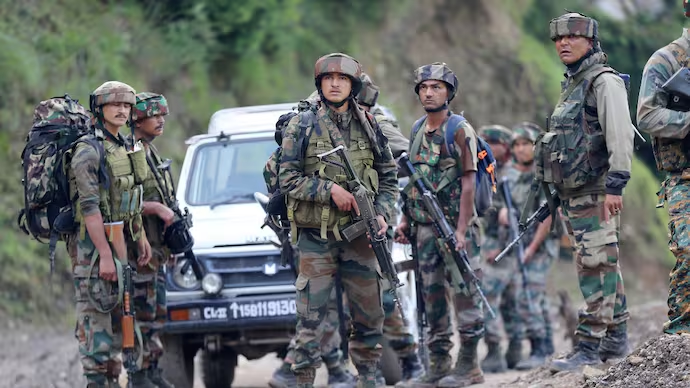
The Army’s push follows a series of minor skirmishes along the LoC last week, with reports of suspicious activity in the dense forests near Samba. Mishra, in a brief statement, said, “Our priority is safety – we’re here to protect, not hinder.” The new checkposts, equipped with thermal imaging and drone support, aim to plug gaps in border monitoring, especially in areas hit hard by August’s floods, which washed out paths used by locals and, potentially, infiltrators. In villages like Rajpura, farmers heading to fields now face ID checks, while traders moving goods to Jammu city report delays at temporary barriers. “It’s for our safety, but it slows us down,” said Ramesh Kumar, a vegetable seller from Hiranagar.
The beefed-up security has stirred mixed feelings. In urban Jammu, residents near the LoC, like those in Akhnoor, feel safer knowing patrols are tighter, especially after last week’s incidents. But rural families, already stretched by flood losses, worry about restricted movement. Schools in border areas like Marh remain open, but parents are cautious, with some keeping kids home during early morning checks. The Army’s community outreach teams have been active, meeting village heads to explain the measures and gather tips on unusual activity. In Samba, a recent Army-led health camp won some goodwill, but locals still grumble about longer travel times to markets.
The operation ties into broader efforts to secure Jammu’s volatile frontier. The LoC, running close to villages like Pallanwala, has seen heightened activity since 2019, with cross-border tensions flaring occasionally. The floods made things trickier, turning dirt tracks into muddy hideouts, prompting the Army to deploy more tech – drones and night-vision gear – to cover blind spots. Mishra’s review focused on coordinating with local police, who’ve been stretched thin post-floods, and ensuring civilians aren’t caught in the crossfire. Chief Minister Omar Abdullah tweeted support, saying, “Our forces are our shield – we back their vigilance.”
For border residents, the tightened security is a double-edged sword. Women in Kathua, who often cross villages for work or temple visits during Navratri, face extra scrutiny, with some reporting hour-long waits at checkposts. In rural Ramgarh, farmers say the Army’s presence deters trouble but also scares off buyers from nearby towns, hitting their income. The Army’s promised to keep disruptions low, but with winter looming, rural roads could get tougher. Social media posts with #JammuBorder show a mix of gratitude and frustration, with some praising the troops and others asking for faster civilian passes.
The timing, during Navratri, adds pressure to balance faith and security. Temples near the border, like those in Hiranagar, see fewer visitors due to checks, though the Army’s allowing escorted groups for prayers. The operation also links to recent reviews in Doda and Kishtwar, showing a region-wide focus on stability. For Jammu’s 12 lakh residents, especially in rural border zones, it’s a reminder of their unique challenges – living on the edge, literally. The Army’s commitment is clear, but so is the need for smoother civilian access. If you’re in these areas, stay patient and share your experiences – Jammu’s resilience shines through, but it needs all voices heard.