
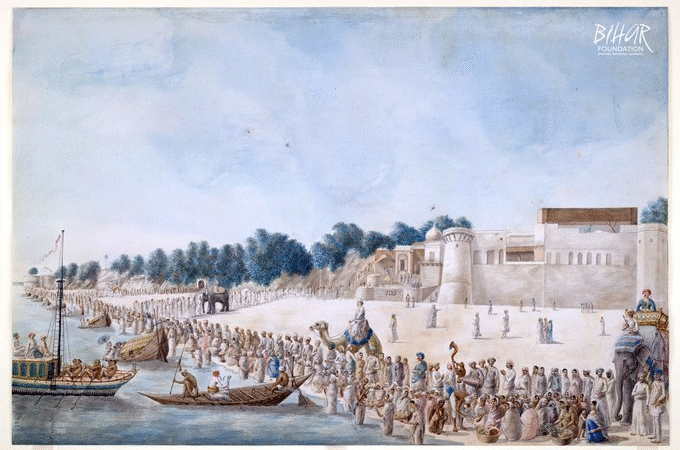
Jammu, October 25, 2025 – As the first rays of Chhath Puja kiss the Tawi’s banks this morning, Jammu feels the pull of a festival that’s less about grand temples and more about the quiet power of the sun – that daily miracle sustaining life amid our mountains and monsoons. Starting today with Nahay Khay and unfolding through October 28, Chhath isn’t just a ritual; it’s a profound act of thanksgiving to Surya, the Sun God, and Chhathi Maiya, the benevolent mother who guards progeny and prosperity. Rooted in ancient Vedic traditions and the Mahabharata’s tales of Karna – the Suryaputra who offered arghya (offerings) to the rising sun for strength – Chhath celebrates gratitude for nature’s bounty, the cycle of life, and the unyielding spirit of survival. In a world of fleeting joys, its importance lies in that raw, unfiltered purity: a four-day vow of discipline, fasting, and family unity that cleanses the soul and fortifies the body against hardships, from seasonal floods to life’s unseen storms.
The Nation’s Devotion: A Riverbank Symphony of Faith and Feasts
Across India, Chhath Puja unfolds like a living tapestry, drawing millions to riverbanks, ponds, and ghats from October 25 to 28 this year, with Nahay Khay’s purifying bath today setting the tone for three days of escalating devotion. In Bihar, the heartland where the festival pulses strongest, Patna’s Gandhi Ghat transforms into a sea of orange-clad devotees by dusk, offering thekua and fruits to the setting sun on Sandhya Arghya (October 27), while Usha Arghya (October 28) sees sunrise prayers amid chants of “Jai Chhathi Maiya.” Jharkhand’s Ranchi and Jamshedpur see ghats lit with thousands of diyas, banana leaves framing offerings, and community feasts that feed 10,000 daily – a nod to the festival’s egalitarian spirit, where caste melts in the river’s flow.
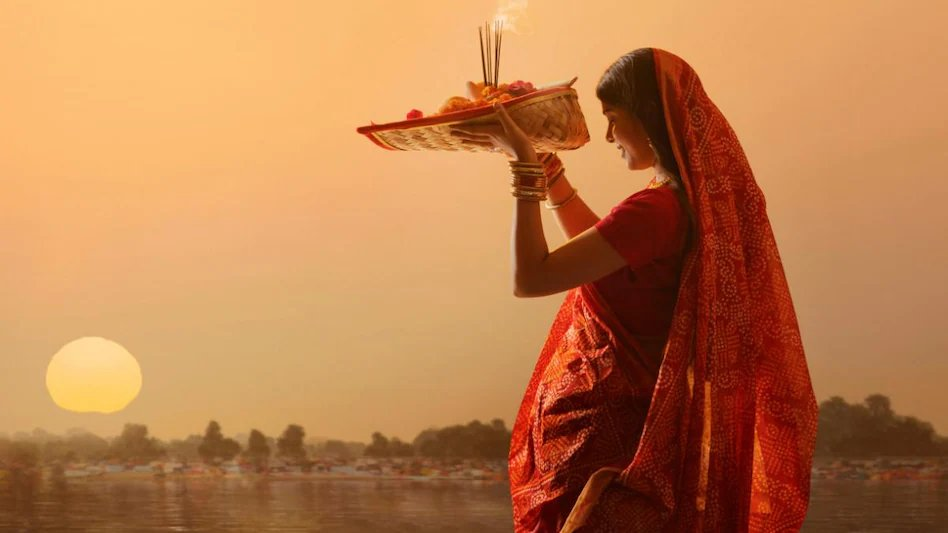
Eastern Uttar Pradesh’s Ghazipur and Varanasi add a Ganga twist, with boat-bound arghyas and folk songs echoing Mahabharata lore, while Delhi’s Yamuna banks – after a five-year ban – buzz with 33% Purvanchali migrants, ghats prepped by the state government for safe crowds. Madhya Pradesh’s Bundelkhand brings rural flair with village pond vigils, and even the diaspora joins: Melbourne’s Bihar Jharkhand Sabha hosts one of the world’s largest overseas celebrations starting today, with 5,000 attendees blending Aussie barbecues with traditional fasts. Nepal’s Madhesh province mirrors Bihar’s rituals, with Koshi River offerings tying cross-border kinship. Nationwide, it’s a $500 crore economic spark – thekua sales alone hit Rs 100 crore – but at its core, Chhath fosters community: families fasting together, elders sharing Karna’s story of solar devotion for victory.
Regional Ripples: Chhath’s Warm Embrace Across India’s Diverse Canvas
Chhath’s beauty lies in its adaptability, weaving into India’s mosaic while staying true to its solar soul. In Bihar, it’s a state spectacle – Chief Minister Nitish Kumar flagged off ghats in Patna at 7 AM today, with 1,000 ponds cleaned and 500,000 expected at Sone River by Kharna tomorrow (October 26). Jharkhand amps the eco-angle, with Jamshedpur’s Tata Steel sponsoring solar lamps for rural arghyas, drawing 2 lakh devotees. UP’s Varanasi adds Ganga’s sanctity, with boat parades and Vedic chants, while Madhya Pradesh’s Bhopal sees urban twists – apartment balconies doubling as mini-ghats for migrant workers.
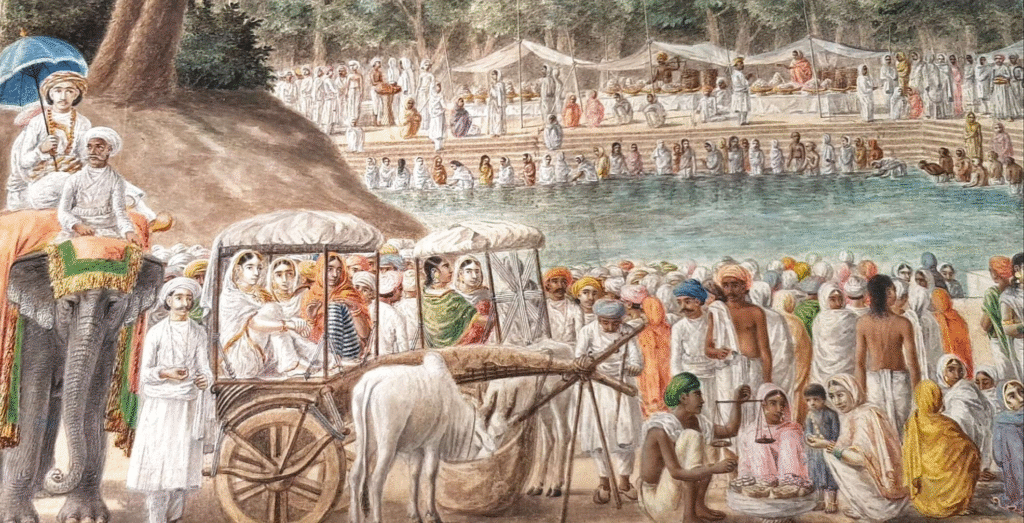
In the northeast, Assam’s Guwahati hosts smaller, heartfelt gatherings by the Brahmaputra, blending with Bihu vibes. Maharashtra’s Mumbai sees Bihari migrants at Juhu Beach, with 50,000 turning out for Usha Arghya, while Gujarat’s Ahmedabad adds Garba rhythms to offerings. South India, less traditional, sees pockets in Bengaluru’s Bihari enclaves, with techies coding apps for sunrise timings.
Closer to home in Jammu and Kashmir, Chhath blooms modestly among migrant communities from Bihar and UP, turning the Tawi River in Jammu city into a vibrant ghat by evening today. Around 5,000 devotees, mostly from labor colonies in Nai Basti and Gujjar Nagar, gathered for Nahay Khay’s holy dip, with thekua stalls popping up like Diwali mithai. In Srinagar’s Batmaloo, 1,000 migrants at Dal Lake edges offered fruits, blending with local Kashmiri Muslim hospitality – shared iftar-style feasts post-prayers. Leh’s small Bihari pockets near the Indus add a high-altitude twist, with portable ghats under prayer flags. For our Dogra mix, it’s a bridge – Hindu families in Talab Tillo hosting migrant workers, Sikh langars in Reasi serving prasad to all. “Chhath’s sun shines on everyone – floods took our homes, but festivals rebuild bonds,” a migrant laborer from Patna shared over evening arghya prep at the Tawi around 5 PM.
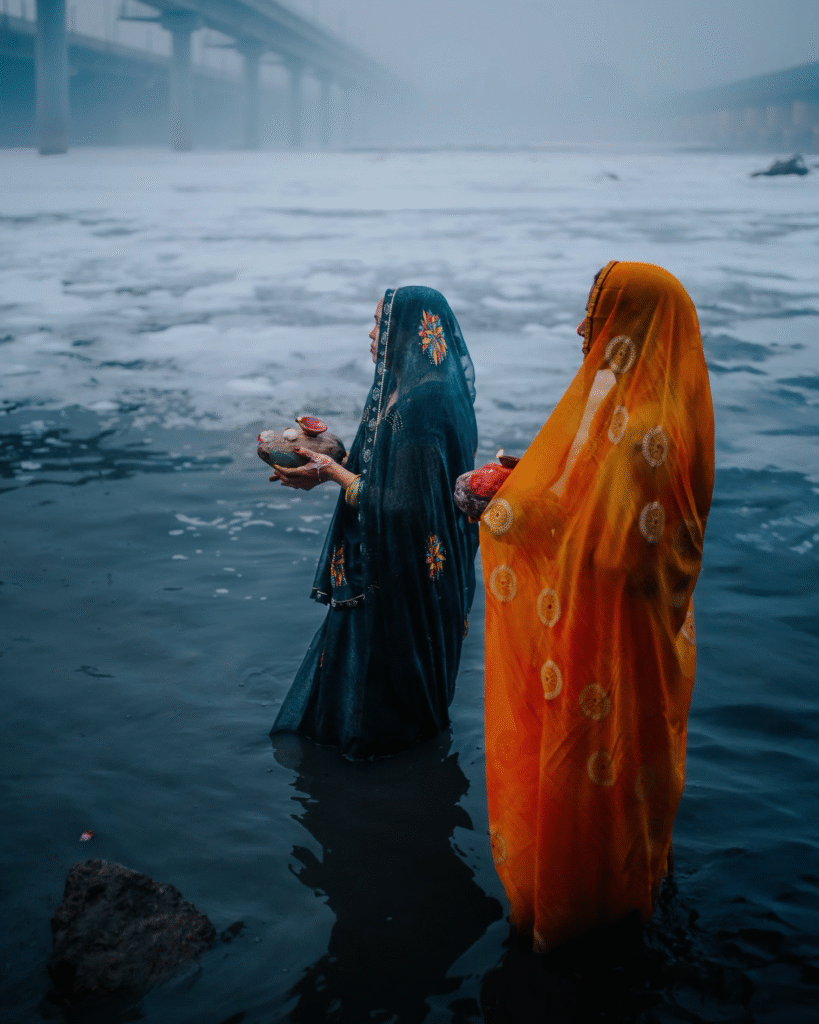
Chhath’s Enduring Flame: A Call for Unity in Jammu’s Resilient Heart
At True Roots Media, we celebrate this solar symphony as Jammu’s own – a festival that crosses rivers and divides, much like our Chenab’s flow. May Chhathi Maiya’s blessings ward off darkness, bringing health and harmony to every home. Jai Surya, Jai Chhathi Maiya.