
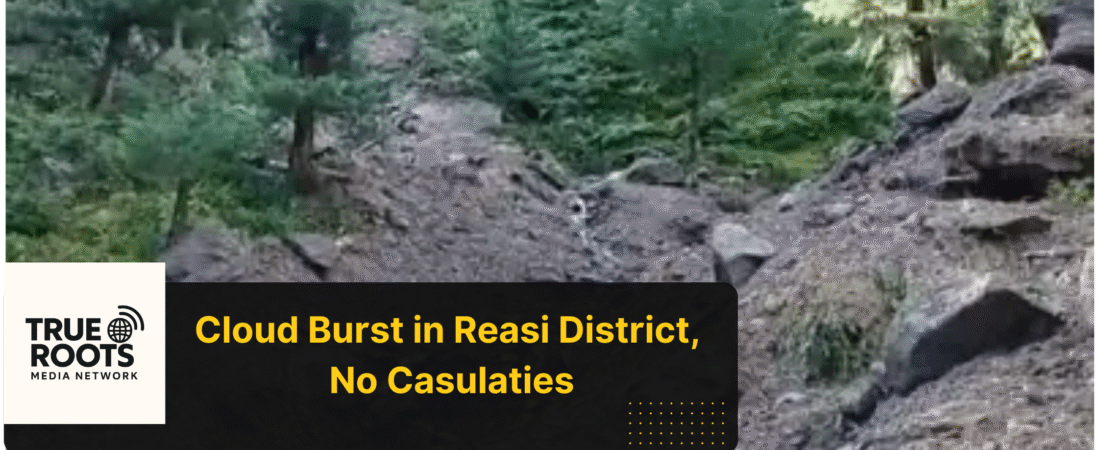
A cloudburst triggered flash floods in Jammu and Kashmir’s Reasi district on September 16, 2025, swelling the Ransoo nallah and damaging local roads and farmlands, but no casualties were reported as evacuations were swift. The incident, in the Trikuta foothills near Vaishno Devi, follows August’s devastation killing 40 and displacing 15,000, with 150% excess rains damaging 12,000 km of roads and costing ₹1,200 crore. Indian Air Force helicopters airdropped rations to isolated Sarhi village, cut off by landslides, aiding 200 families amid NH-44 restrictions stranding 4,000 vehicles.
Reasi, with 60% rural population, saw 1,000 hectares farmland inundated, exacerbating 20% yield losses for paddy farmers. “We’re rebuilding, but nature strikes again,” said resident Mohan Lal, whose home was partially damaged. NDRF and local teams rescued 50, with IMD forecasting moderate showers September 17, heightening landslide risks (10 incidents this year). The floods, part of 27 rainy days, treated 5,000 vector-borne cases and spiked prices 30-50%.
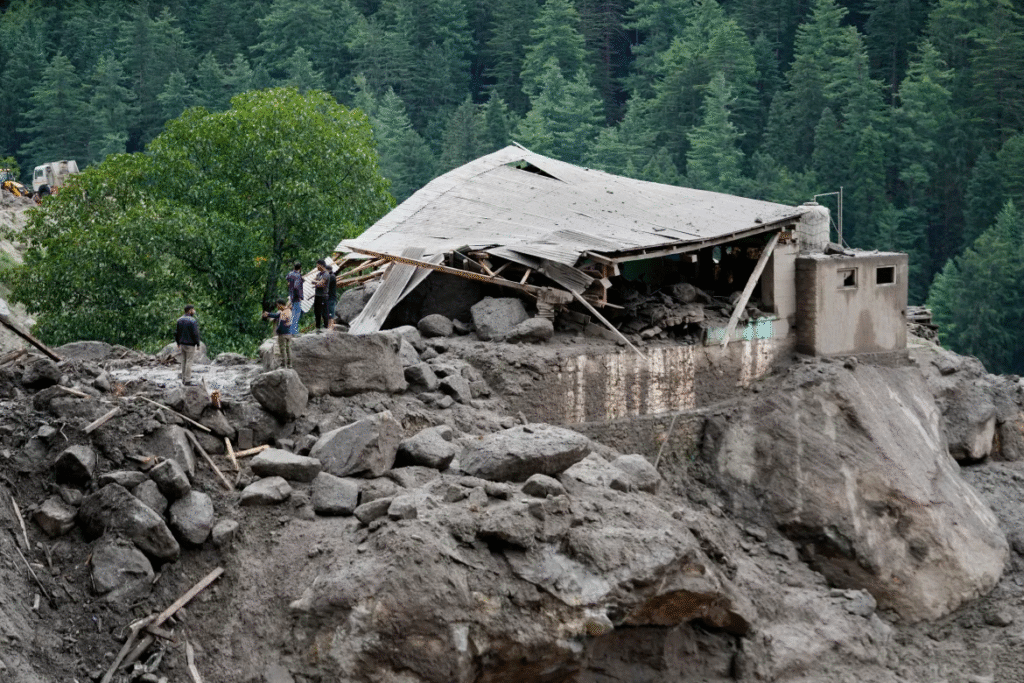
CM Abdullah’s ₹209 crore relief prioritizes Reasi, where 283 houses were affected, aligning with NEP 2020 for resilient schools (500 damaged). As USBRL ferries 753 MT supplies, cloudbursts underscore climate vulnerabilities—10% rainfall rise decade-long. Authorities urge avoiding nallahs, with 70% roads repaired but 23% youth unemployment straining recovery. This event, sans deaths, highlights improved preparedness post-2014, but demands Z-Morh tunnel acceleration for safer connectivity in 68% rural J&K.
Stats Snapshot:
- Flood deaths: 40; displacement: 15,000 families.
- Road damage: 12,000 km; farmland: 1,000 hectares.
- Rainfall excess: 150%; health cases: 5,000.
- Yield loss: 20%; unemployment: 23%.