
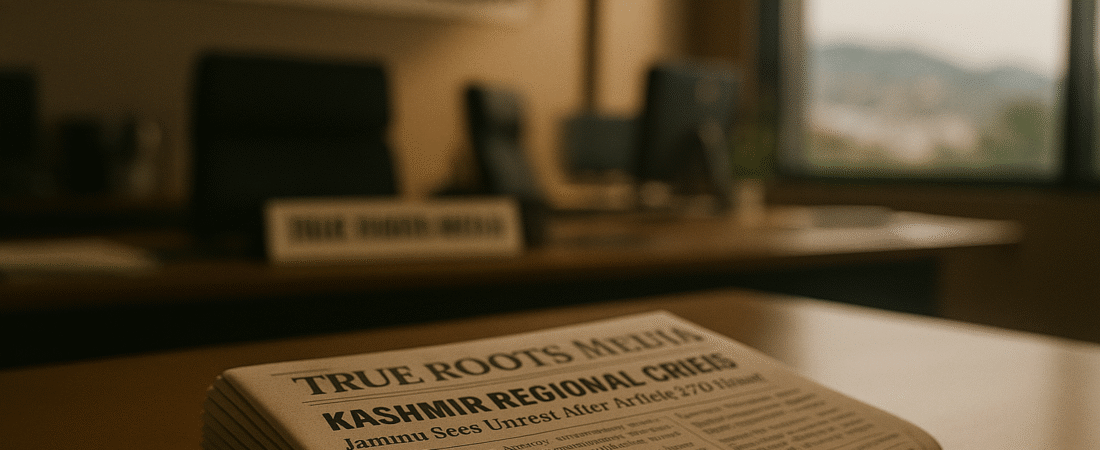
In Jammu & Kashmir, the Public Safety Act (PSA) is back in the spotlight, with fresh calls to scrap it for crushing dissent and violating basic rights. The law, which lets authorities lock people up for up to two years without trial, has been slammed by human rights groups as a tool to silence critics, activists, and journalists. #Amnesty International’s latest report, out today, September 23, 2025, labels it a “repressive hammer,” pointing to how it’s used to target folks for just speaking their minds or pushing for change. The group says it’s time to end this “dark chapter” in the region, where freedom of expression feels like a distant dream.
The PSA, brought in 1978, was meant to fight threats to public order, but critics say it’s become a go-to for shutting down opposition. Since 2019, when Article 370 was revoked, its use has spiked – over 1,000 people detained under it in Jammu & Kashmir alone, with conviction rates as low as 3%, per National Crime Records Bureau data. In Jammu, where the law hits both urban and rural areas, it’s snared everyone from student leaders to family members of past militants. The report details cases like that of Khurram Parvez, a human rights defender grabbed in 2021 under the Unlawful Activities (Prevention) Act (UAPA), and journalist Irfan Mehraj, held since 2023 for his reporting. Both are still behind bars, their trials dragging on.
Amnesty’s call comes amid growing worries about the region’s shrinking space for debate. The report notes how PSA detentions often stem from “prejudicial views” or social media posts, turning everyday opinions into crimes. In Jammu city, where protests over floods and jobs are common, the law hangs like a threat – one wrong tweet, and you’re in for preventive custody. Rural spots like Doda and Rajouri feel it too, with villagers detained for land rights complaints or family ties to old conflicts. The group says 37% of UAPA cases nationwide are from here, showing how these laws overlap to clamp down.
Human rights advocates are pushing hard for reform. The report urges the Indian government to repeal PSA and UAPA’s misuse, calling for fair trials and an end to “unnecessary preventive detention” before elections. It highlights how the law erodes trust in local governance, with the Chief Minister and legislature sidelined on key calls. External Affairs Minister S Jaishankar’s recent U.S. talks touched on global views of these laws, but no changes yet. Chief Minister Omar Abdullah has called PSA “discredited,” but action lags.
For the people caught in it, the toll is personal. Families lose breadwinners, communities lose voices, and fear spreads. The report shares stories of detainees held on flimsy grounds, their lives on hold while cases drag. In Jammu, where floods already strained resources, this adds another layer of hardship – families can’t even protest without risk. Social media’s lighting up with #EndPSA, with posts from activists sharing how the law stifles debate on issues like jobs and floods.
The government’s side? Officials say PSA is needed for security in a sensitive area, but Amnesty counters that it’s overreach, violating rights to free speech and fair trial. The report calls for a judicial probe into misuse and compensation for victims.