
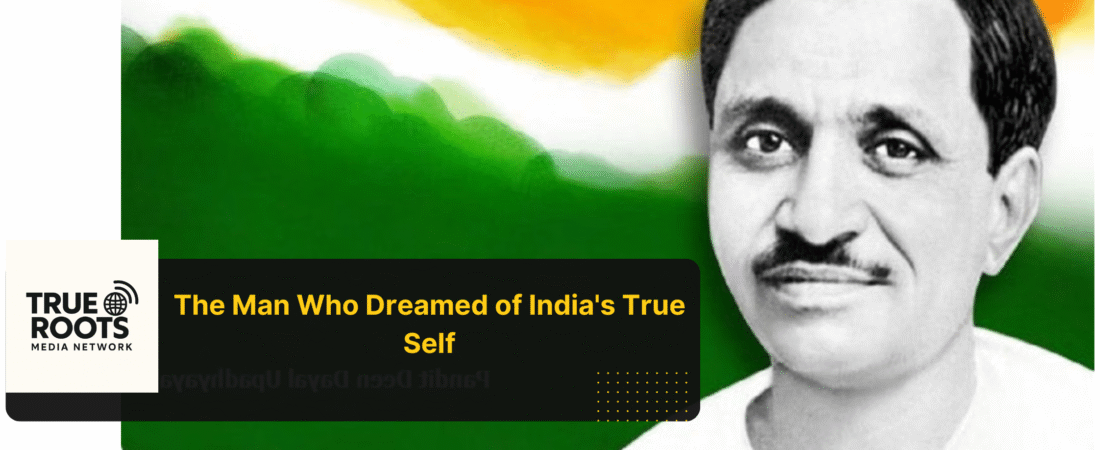
On September 25, 2025, as the nation pauses to honor Deendayal Upadhyaya’s 109th birth anniversary, it’s a moment to reflect on a leader whose ideas continue to shape India’s soul.
Born in 1916 in Mathura, Upadhyaya wasn’t just a politician; he was a thinker who wove ancient wisdom with modern aspirations, championing “Integral Humanism” as the antidote to Western materialism. His life, cut short in 1968 under mysterious circumstances, left a void, but his legacy – from RSS pracharak to Jan Sangh architect – burns bright. This trivia-filled tribute celebrates his enduring influence, with a nod to his deep ties to Jammu & Kashmir through figures like Balraj Madhok, a Skardu-born founder of ABVP who stood as a fierce guardian of Upadhyaya’s ideals.
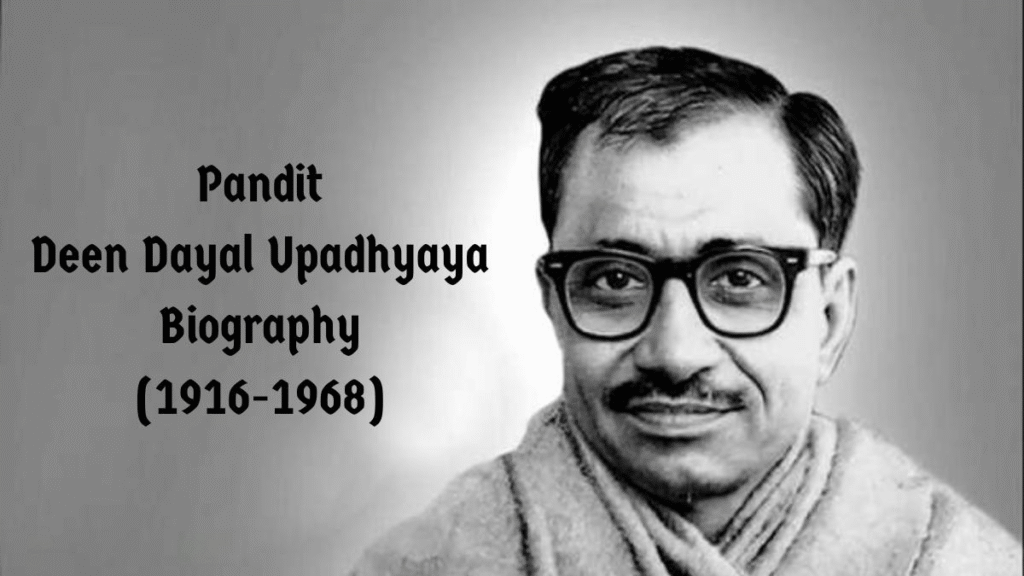
1. From Village Boy to National Voice: Humble Beginnings in Mathura Upadhyaya’s story starts in a simple Brahmin family in Mathura, where he grew up surrounded by the Yamuna’s banks and the echoes of Hindu philosophy. Losing his mother at age 9 and father at 22, he learned resilience early. At age 13, he joined the RSS, drawn to its emphasis on character-building over politics. Fun fact: As a student at Sanatan Dharma College in Kanpur, he topped his BA in economics, but chose service over a cushy job, becoming a full-time RSS pracharak in 1942. His early work organizing shakhas in flood-hit areas like Bihar in 1947 showed his knack for grassroots empathy – a trait that defined his life.
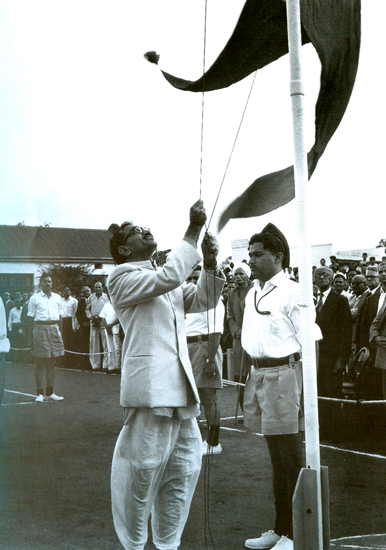
2. Integral Humanism: A Philosophy for the Common Man Upadhyaya’s genius lay in “Integral Humanism,” a worldview blending dharma, equality, and self-reliance – not socialism or capitalism, but an Indian way. Presented in 1965 at the Bombay Jan Sangh session, it argued for “vyakti” (individual) as the center, with society as an organic family. He dreamed of villages as self-sufficient units, free from exploitation. Trivia: This idea influenced the BJP’s economic policies, like Atmanirbhar Bharat, and even global thinkers like Gandhi’s followers saw echoes of it. Upadhyaya believed true progress meant spiritual growth alongside material gain – a holistic view that resonates in today’s fast world.
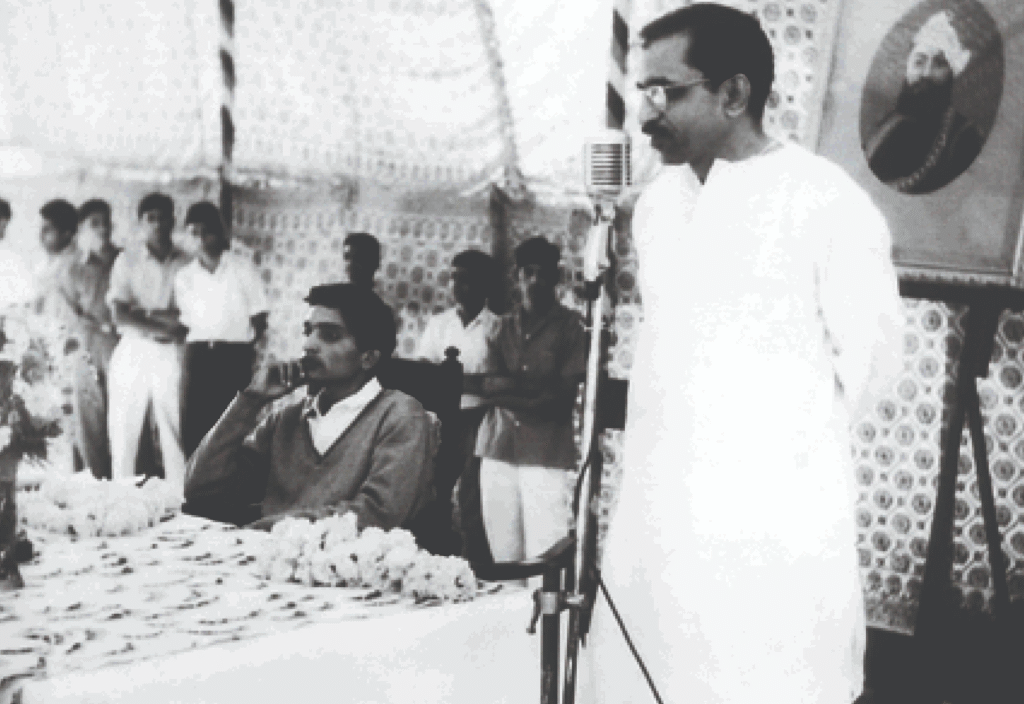
3. Jan Sangh Builder: From RSS to Political Powerhouse Upadhyaya was the quiet force behind the Bharatiya Jana Sangh, founded in 1951 by Syama Prasad Mookerjee. As general secretary from 1952 to 1967, he grew it from a fringe group to a national player, winning 14 seats in 1962. He became president in 1967, steering it through crises like Mookerjee’s death in Kashmir custody. His strategy? Focus on cultural nationalism without hate, pushing for a united India. Fun fact: Upadhyaya’s “one nation, one culture” slogan helped the party appeal beyond Hindus, laying seeds for the BJP’s rise.
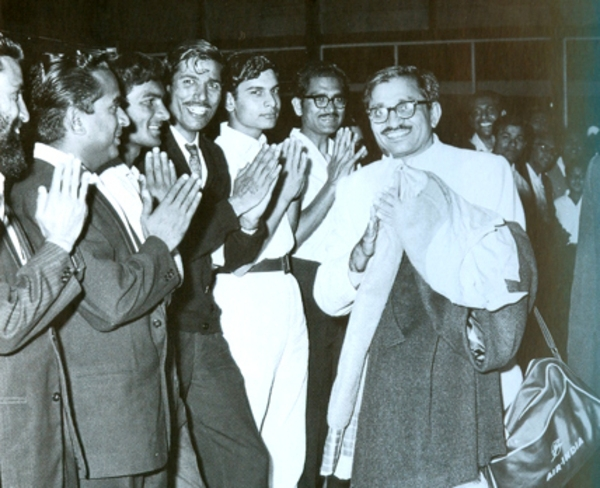
4. The ABVP Link: Nurturing Youth Through Madhok’s Vision Upadhyaya’s influence extended to youth via the Akhil Bharatiya Vidyarthi Parishad (ABVP), founded in 1949 by Balraj Madhok, a Skardu-born Kashmiri from the then princely state of Jammu & Kashmir. Madhok, an RSS pracharak and history professor, saw ABVP as a way to channel student energy into nation-building, with Upadhyaya’s Integral Humanism as its guiding light. Madhok, expelled from Jan Sangh in 1973 over differences (including his suspicions of foul play in Upadhyaya’s 1968 train death, where the official story of hypothermia never satisfied him), remained a fierce defender of Upadhyaya’s ideals. Trivia: Madhok’s Skardu roots made him a bridge for J&K youth, and ABVP’s first conference in Delhi in 1950 drew 1,000 students, many inspired by Upadhyaya’s talks on self-reliance. Today, ABVP’s 3 million members carry that torch, blending campus activism with cultural pride.
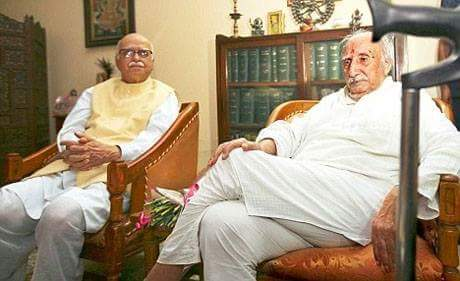
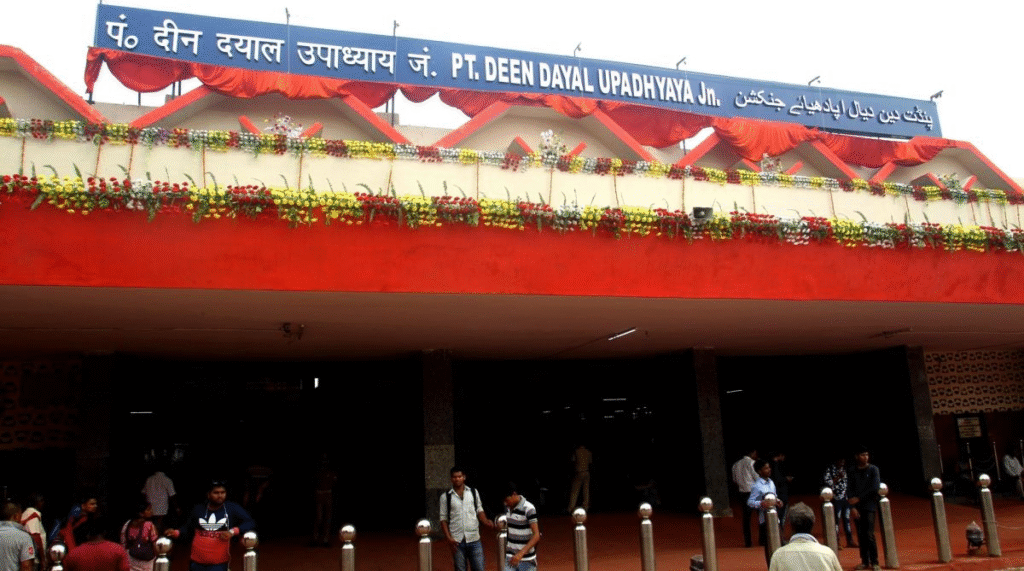
5. The Mysterious End: A Train Death That Sparked Doubts Upadhyaya’s life ended tragically on February 11, 1968, found dead on a train platform in Mughalsarai, officially from hypothermia after a speaking tour in Patna. At 51, in peak health, his sudden passing raised eyebrows – no autopsy, no inquiry, and the body rushed for cremation. Balraj Madhok, a close ally, was among the first to cry conspiracy, alleging political rivals silenced him to derail Jan Sangh. Madhok’s book Zindagi Ka Safar details his suspicions, tying it to internal party tensions. The CBI closed the case in 1971 as suicide, but doubts linger, with BJP leaders like L.K. Advani calling for fresh probes. Trivia: Upadhyaya’s last speech in Patna urged “political unity,” words that haunted Madhok, who left Jan Sangh in 1973 partly over the lack of aggressive pursuit of justice for his mentor’s death.
6. Legacy in Action: Integral Humanism’s Global Echo Upadhyaya’s ideas live on – the BJP’s 2014 manifesto drew heavily from Integral Humanism, and his birth anniversary is “Good Governance Day.” In J&K, Madhok’s ABVP legacy thrives, with chapters in Jammu University pushing student rights and cultural events. Fun fact: Upadhyaya’s 1967 book Rashtra Jivan Ki Samasyaen influenced PM Modi’s speeches, who calls him “the philosopher of India’s development.” His vision of “Antyodaya” – uplifting the last person – guides schemes like Ujjwala and Ayushman Bharat.
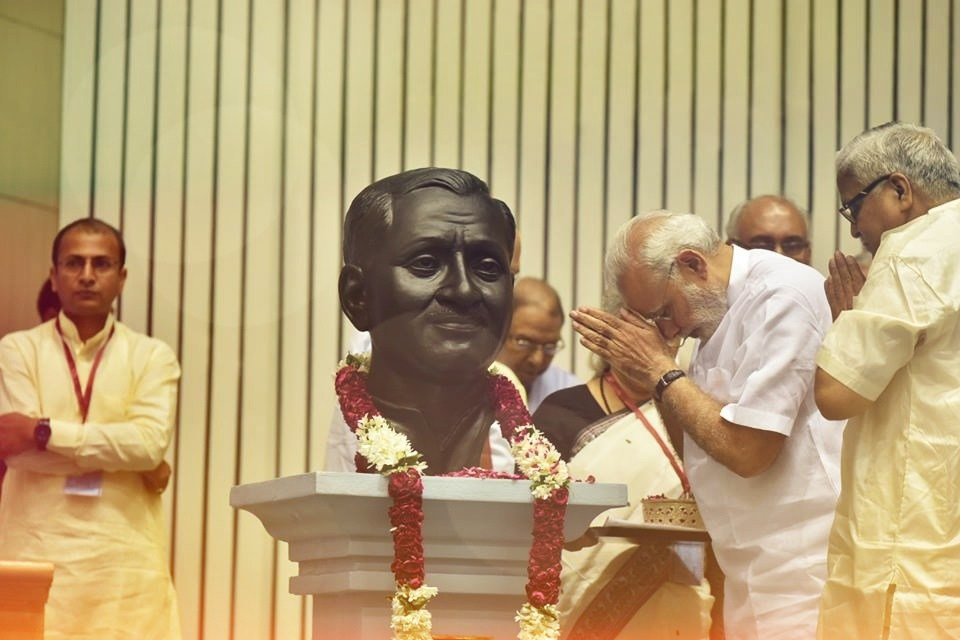
Why Celebrate Today? Deendayal Upadhyaya’s birthday isn’t just a date; it’s a call to live his ideals – self-reliance, harmony, and service. In J&K, through Madhok’s ABVP, his spirit fueled youth movements, even as Madhok’s exit highlighted the party’s growing pains. As Jammu pauses for Hari Singh today, Upadhyaya’s story reminds us of leaders who dreamed big for all. His unsolved death is a scar, but his humanism heals. At True Roots Media, we honor him by sharing truths – his life a beacon for India’s tomorrow. Share your thoughts on Upadhyaya’s impact.