
The Election Commission of India (ECI) dropped a major update today, September 24, 2025, confirming that Jammu & Kashmir’s long-awaited assembly elections will happen in late 2025, with the full schedule to be announced soon. Chief Election Commissioner Rajiv Kumar, flanked by Election Commissioners Gyanesh Kumar and Sukhbir Singh Sandhu, made the announcement during a press briefing in New Delhi, stressing that the polls will wrap up before the Supreme Court’s deadline of September 30, 2026. “The democratic process in J&K is back on track – we’re committed to a fair, free election,” Kumar said, adding that the commission has been working closely with the state administration to ensure readiness.
This comes after the Supreme Court’s December 2023 ruling, which upheld the abrogation of Article 370 but directed the ECI to hold assembly elections by September 30, 2024 – a deadline extended due to logistical challenges like flood recovery and security concerns. The ECI’s plan aligns with the Jammu and Kashmir Reorganisation Act, which sets the assembly term to end on November 22, 2025, making October-November the likely window. Kumar noted that the elections will cover 90 constituencies, with results expected in early November to allow for quick government formation. “We’ve completed delimitation, and the rolls are updated – everything is set for a smooth process,” he added, referencing the Delimitation Commission’s final report from May 2022, which added six seats to Jammu and one to Kashmir, bringing the total to 114 (though 24 remain for Pakistan-occupied areas).
The announcement is a milestone for Jammu & Kashmir, the only state without an elected assembly since 2018. With 90 seats up for grabs, the polls will test the National Conference-Congress alliance’s hold, especially after their 2024 Lok Sabha wins. NC’s Omar Abdullah, a key contender for chief minister, welcomed the news, tweeting, “Finally, the people’s voice will be heard – J&K deserves this democracy.” BJP’s Jugal Kishore Sharma, the local MP, called it a “victory for development,” promising focus on jobs and infrastructure. PDP’s Mehbooba Mufti urged the ECI to ensure free voting, saying, “No more delays or fears – let the people choose.”
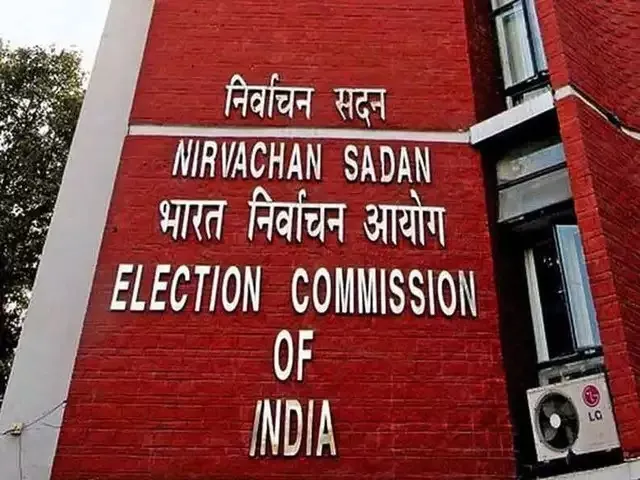
Key dates are still pending, but Kumar hinted at a three-phase rollout to manage the vast terrain – Phase 1 for Kashmir Valley constituencies like Srinagar and Anantnag around October 10, Phase 2 for mixed areas like Jammu and Kupwara mid-October, and Phase 3 for remaining spots like Rajouri and Poonch by late October. Counting will likely be on November 5, with results the same day to speed up government formation. The model code of conduct could kick in by early October, freezing new projects and transfers. Voter turnout is a big focus, after the 2024 Lok Sabha polls hit 63% – Kumar aims for 70% this time, with special drives for women and migrants.
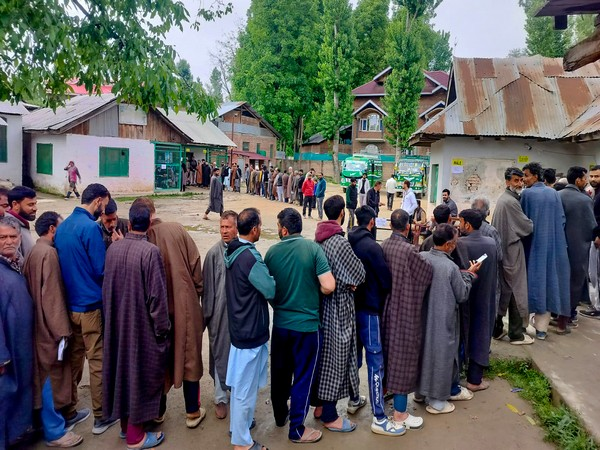
The stakes are high. The 90-seat assembly will elect the chief minister, with reservations for Scheduled Castes (7 seats) and Tribes (9 seats) as per the 2023 amendment. Delimitation redrew boundaries, boosting Jammu’s share to 43 seats from 37, while Kashmir holds 47. Security will be tight, with over 80,000 paramilitary troops expected, given past tensions. EVMs and VVPATs will be used, with webcasting at all polling stations for transparency. The ECI’s also pushing postal ballots for migrants and disabled voters, a first for J&K.
For Jammu, the polls mean a chance to address floods, jobs, and development. Rural areas like Doda demand better roads, while urban Jammu city wants traffic fixes. The announcement has parties scrambling – NC-Congress eyes a majority, BJP banks on Jammu’s support, and independents gear up. With Navratri on, the festive mood mixes with election buzz. Kumar ended by saying, “J&K’s people have waited long – their ballot will decide the future.” It’s a step toward normalcy, but challenges like security and weather loom. Jammu & Kashmir’s ready – the ECI’s green light lights the way.