
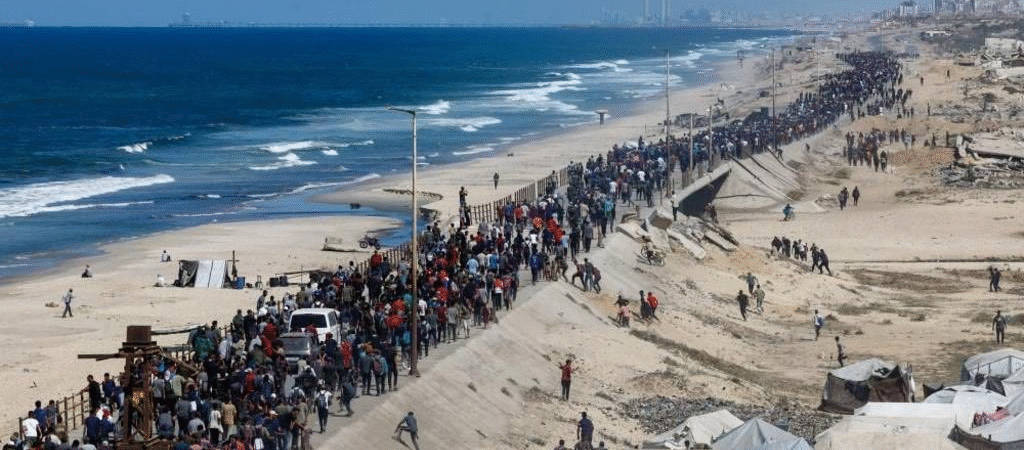
October 10, 2025 – In a pivotal moment for the Middle East, a U.S.-brokered ceasefire between Israel and Hamas went into effect at 7 AM local time today (11:30 AM IST), allowing displaced Palestinians to begin streaming back to their wrecked homes in Gaza City after 14 months of devastating war. The truce, announced late yesterday by U.S. Secretary of State Antony Blinken in Cairo, calls for an initial 60-day pause in hostilities, with Israeli forces pulling back from urban centers and Hamas releasing 50 hostages in phases. By midday, Gaza health officials reported no major violations, though sporadic rocket alerts sounded in southern Israel, quickly de-escalated. International monitors from the UN and Egypt are deploying along the Philadelphi corridor to oversee compliance.
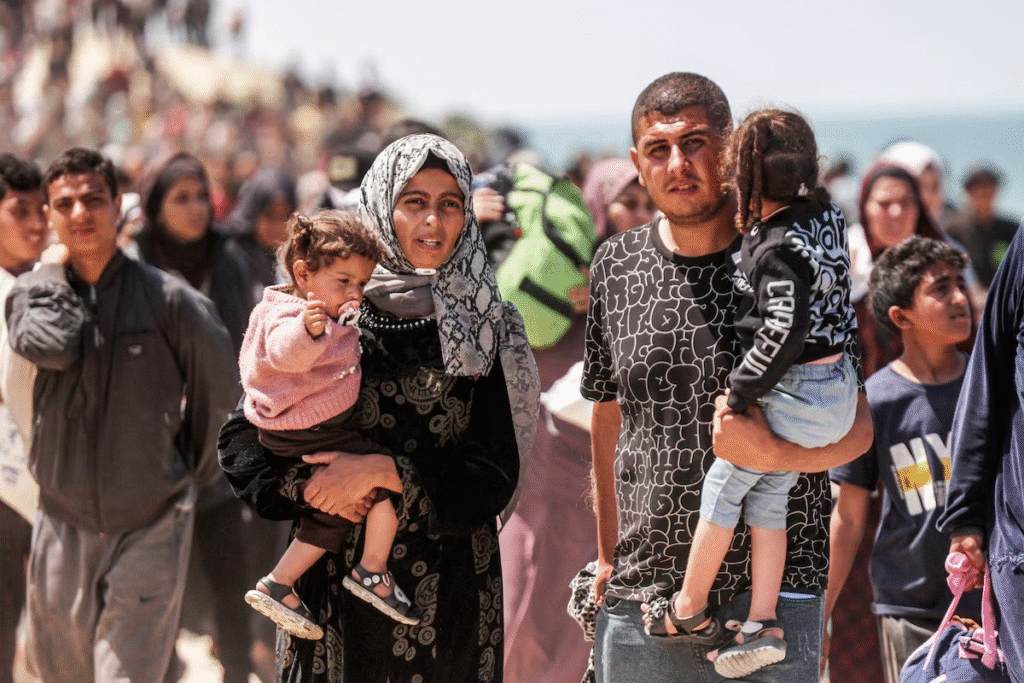
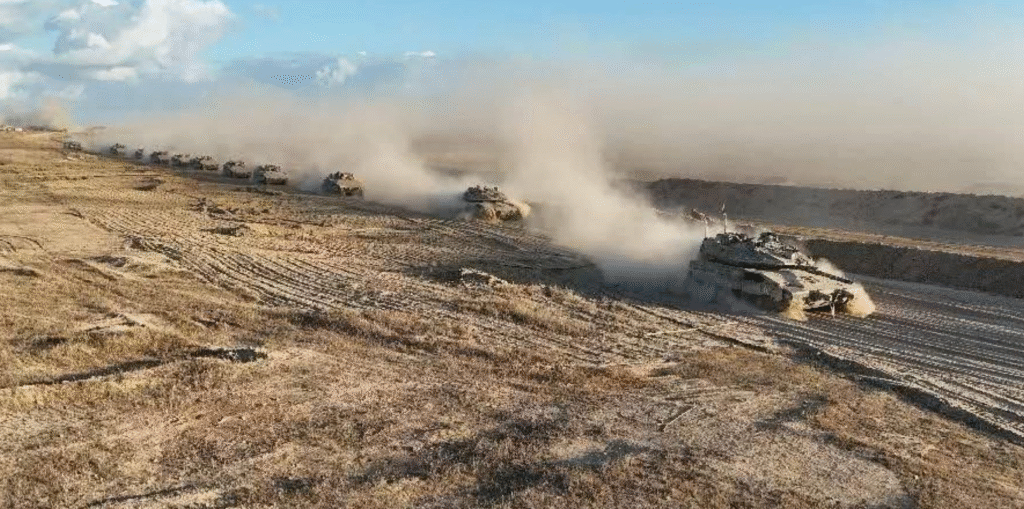
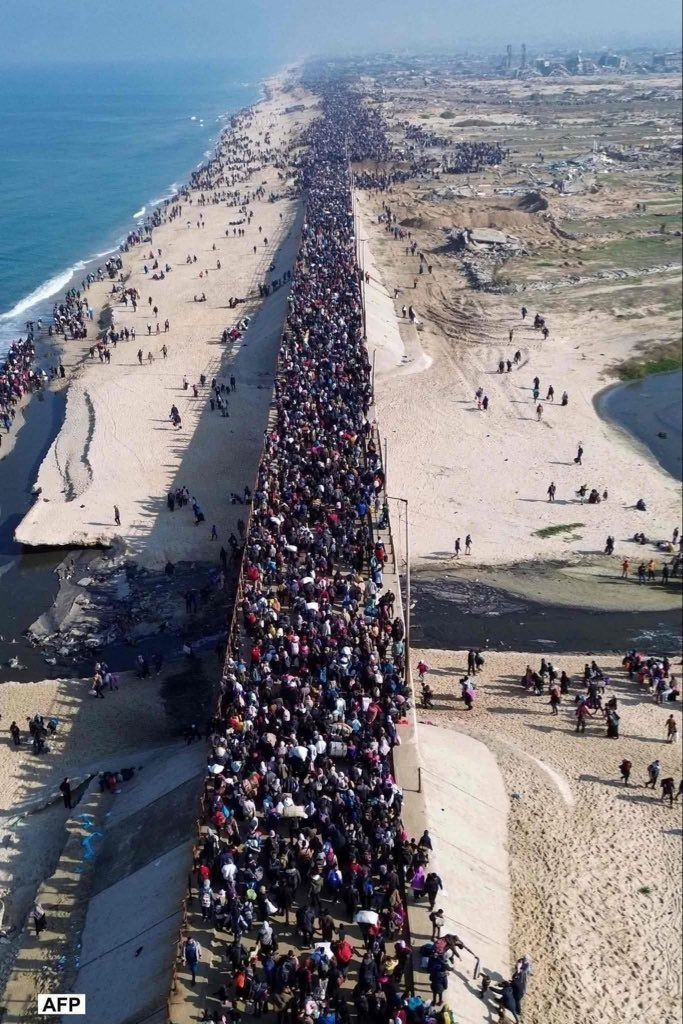
The war, ignited by Hamas’s October 7, 2023, attack that killed 1,200 Israelis and took 250 hostages, has claimed over 43,000 Palestinian lives, per Gaza authorities, displacing 90% of the enclave’s 2.3 million people. Today’s returns – families trudging through rubble-strewn streets in Gaza City and Khan Younis – captured global attention, with Al Jazeera footage showing tearful reunions amid bombed-out buildings. “We left with nothing; returning to nothing,” said Fatima al-Masri, 38, a mother of four from Jabalia, carrying salvaged belongings as Israeli drones hummed overhead. The deal includes increased aid trucks – 500 daily – carrying food, medicine, and fuel, addressing a humanitarian crisis where 70% of Gazans face acute hunger.

Our LoC borders with Pakistan-occupied Kashmir (PoK) – yesterday’s SIA raids nabbing overground workers in Rajouri – echo Gaza’s cycle of truce and tension. Historically, pre-1947, Jammu’s Dogra rulers navigated similar ceasefires with Pashtun tribes, forging buffers that Partition shattered. The 1990s Afghan war spillover fueled militancy here, much like Hamas’s roots in regional conflicts. Today, as PoK protests simmer (nine dead last week), a stable Middle East could ease global oil prices, cutting Jammu’s fuel costs by 10% and aiding our flood-hit farmers (150 lives lost in August). Muslim communities in Akhnoor, blending with Hindu and Sikh neighbors, held interfaith prayers at a Jamia Masjid vigil around noon, drawing 200: “Gaza’s pain is ours – end wars everywhere,” said Imam Abdul Rehman, 60.
Broader impacts: The truce, mediated by Qatar and Egypt, follows U.S. pressure on Israeli PM Benjamin Netanyahu amid ICC warrants for war crimes. Hamas leader Yahya Sinwar hailed it as “victory,” but hardliners warn of breaches. Aid groups like UNRWA welcomed 200 trucks crossing Kerem Shalom by 2 PM, but warn famine risks persist. For India, with 18,000 citizens in Israel and Gulf ties, it’s relief – MEA’s October 9 statement urged “sustainable peace.” In Jammu, Sikh traders in Raghunath Bazaar, facing Diwali rush, see hope: “Cheaper imports if oil drops,” said Baldev Singh, 55. Yet, as SC hears statehood pleas today, echoing 370’s divides, Gaza reminds: ceasefires are starts, not ends.