
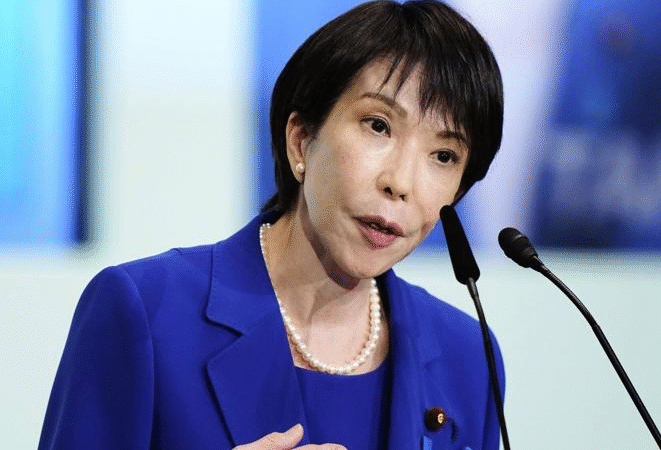
Tokyo, October 6, 2025 – The cherry blossoms may be months away from their fleeting bloom, but in the crisp autumn air of Tokyo’s Nagatachō district, a different kind of flower unfurled today – one forged in the unyielding spirit of Nara’s ancient hills. At around 2 PM, in a packed chamber of the National Diet, lawmakers erupted in applause as Sanae Takaichi, 64, was formally elected Japan’s 102nd Prime Minister, sealing her remarkable ascent from TV anchor to the nation’s first female leader. The vote, a near-unanimous nod from her Liberal Democratic Party (LDP) stronghold, came just two days after she clinched the party’s presidency on October 4, edging out rivals in a runoff that felt like a generational showdown. “Today, we turn the page on hesitation,” Takaichi declared in her inaugural address, her voice steady as she gripped the podium, eyes scanning the sea of suits and kimonos below. “Japan is back – stronger, prouder, and ready to lead in a world that demands our resolve.”
For those who’ve followed her three-decade odyssey through the cutthroat corridors of Japanese politics, this isn’t just a win; it’s vindication. Born on March 7, 1961, in the historic city of Nara – home to deer parks and towering pagodas – Takaichi grew up in a modest family where grit was the family heirloom. Her father toiled at a Toyota-affiliated auto firm, while her mother patrolled the streets as a Nara police officer.
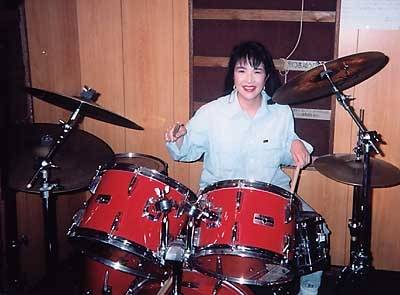

As a teen, she banged drums in a garage band, blasted heavy metal records, and dreamed of roaring down highways on her Kawasaki Z400 motorcycle. “I was the girl who wouldn’t stay put,” she once quipped in a rare personal interview back in 2016, reminiscing about her high school days at Nara Prefectural Unebi. But dreams clashed with reality: her parents, staunch traditionalists, nixed Tokyo’s elite universities like Keio or Waseda, deeming them too pricey and too far for a young woman. So, she commuted six grueling hours daily to Kobe University, earning a degree in business management by 1983. It was a commute that built her endurance – and perhaps her trademark tenacity.

Post-graduation, Takaichi dove into the Matsushita Institute of Government and Management, a think-tank nursery for future leaders. In 1987, with institute backing, she jetted off to Washington, D.C., landing a prestigious congressional fellowship under Democratic Rep. Pat Schroeder. There, amid the marble halls of Capitol Hill, she absorbed the raw pulse of U.S. politics – deal-making, debates, and the art of the possible. Returning in 1989, she traded policy briefs for the spotlight, becoming a legislative aide and, briefly, a TV Asahi anchor on “Kodawari TV Pre-Stage” alongside rising star Renhō. Her poise under the studio lights caught eyes; soon, she was penning books on American governance, positioning herself as a bridge between East and West. “America taught me that power isn’t inherited – it’s seized,” she later reflected in her 1990 bestseller, Washington Insight: A Japanese Perspective.
Politics called in 1993, amid Japan’s chaotic early ’90s – a time of coalition fractures and economic wobbles. Running as an independent in Nara’s at-large district, the 32-year-old Takaichi stunned skeptics, snagging a House of Representatives seat with 131,345 votes. It was a baptism by fire: she hopped parties early, joining the anti-LDP Liberals in 1994 before merging into the New Frontier Party (NFP). Re-elected in 1996 under NFP colors, she drew flak for flipping to the LDP just weeks later, recruited by heavyweight Secretary-General Koichi Kato. Critics branded her a turncoat, but Takaichi shrugged it off: “Loyalty to ideas, not labels.” Aligning with the influential Seiwa Seisaku Kenkyūkai (Mori Faction), she climbed fast. Under Prime Minister Keizō Obuchi, she served as Parliamentary Vice Minister for International Trade and Industry, honing her edge on economic policy.
The real rocket fuel came with Shinzo Abe’s rise. As a protégé of the conservative icon, Takaichi rode his coattails into cabinet spots during his first term (2006-2007): Minister of State for Okinawa and Northern Territories, Science and Technology Policy, Innovation, Youth Affairs, Gender Equality, and Food Safety. It was a whirlwind portfolio – the “new office” for innovation was her brainchild, pushing Japan toward tech frontiers. Abe’s 2012 comeback supercharged her: she chaired the LDP Policy Research Council (2012-2014), shaping Abenomics’ fiscal arrows, then helmed Internal Affairs and Communications (2014-2017, 2019-2020). There, she slashed NHK viewing fees and spearheaded COVID-19 cash handouts in 2020, earning street cred amid pandemic panic. Under Fumio Kishida, she took on Economic Security Minister (2022-2024), championing the “Comprehensive Economic Security Act” to shield tech from Chinese poaching – a hawkish move that burnished her nationalist stripes.
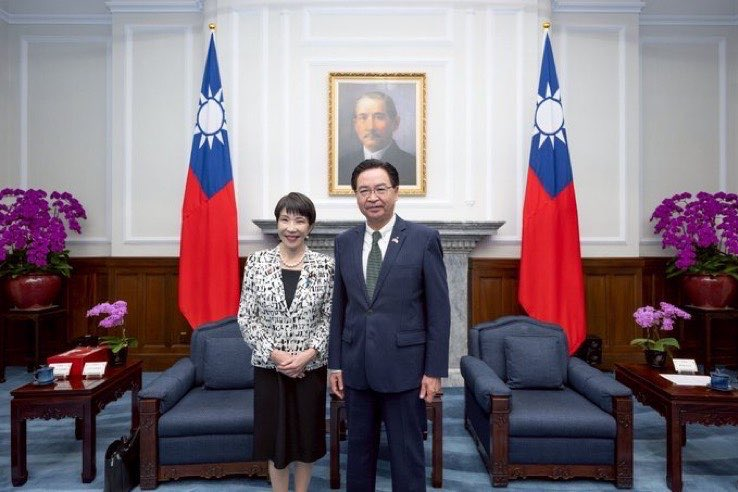
Takaichi’s ideology? Pure, unfiltered conservatism – the kind that ruffles feathers and rallies bases. A Nippon Kaigi member and Shinto Association vice chair, she’s unabashedly pro-revisionist: advocating Article 9 tweaks to enshrine the Self-Defense Forces as a “National Army,” hiking defense budgets, and deepening U.S. ties with missile deployments. She’s a China skeptic, coining “Taiwan emergency is Japan emergency,” and flirts with nuclear debates, questioning the Three Non-Nuclear Principles. Domestically, she’s Thatcher-esque – her “Iron Lady” moniker stems from Margaret’s shadow – pushing “Sanaenomics”: turbocharged Abenomics with AI bets, nuclear fusion pushes, and biotech booms. But she’s drawn fire: Yasukuni Shrine visits (2007, 2014, 2016, 2020) irk neighbors; a 2016 threat to yank broadcaster licenses for “bias” sparked free-speech alarms; and leaked docs from her tenure hinted at media meddling, fueling “Taliban Takaichi” whispers from foes.
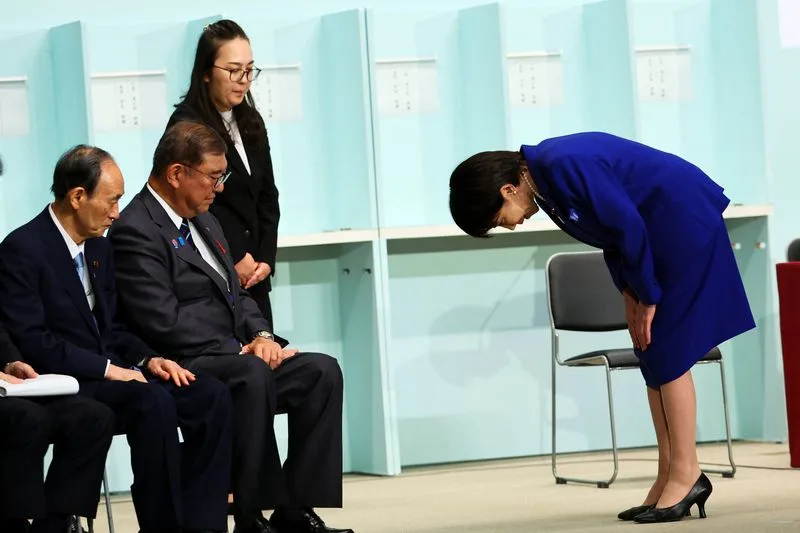
Her rise to LDP throne? A phoenix tale. Third in 2021 (behind Kishida), first-round leader in 2024 but runoff loser to Shigeru Ishiba, she bounced back post-Ishiba’s snap-election flop. Announcing her 2025 bid on September 18, she softened edges – mum on Yasukuni as PM – and tied polls with Shinjirō Koizumi. On October 4, she nabbed 183 first-round votes (31%), then 54% in the runoff, becoming LDP’s first female prez. Diet confirmation followed swiftly, with opposition boycotts fizzling.
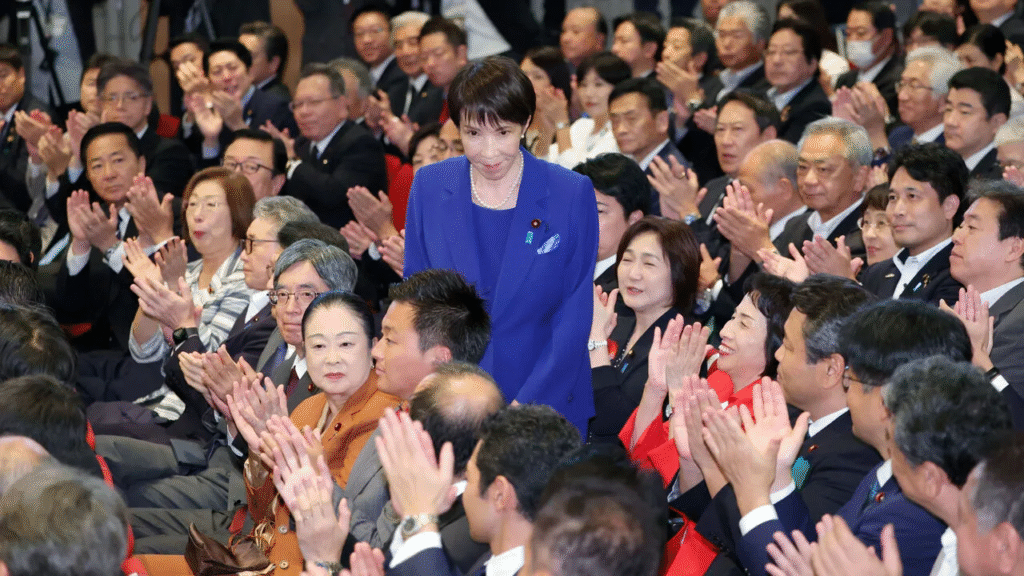
Challenges loom: an aging populace (29% over 65), immigration jitters, and a scandal-plagued LDP craving revival. “We’ll travel the world, shouting ‘Japan is Back!’” she vowed today, eyes on G7 and APEC. For women in Japan’s male-redoubt politics – just 10% of Diet seats – she’s a beacon, though her gender stances (anti-same-sex marriage, no separate surnames) draw feminist side-eyes. As she bowed out of the chamber around 3 PM, aides whispered of a Nara deer-feeding ritual tomorrow – a nod to roots amid the roar.
In Tokyo’s neon haze, Takaichi’s not just breaking ceilings; she’s rewriting the blueprint. Will her iron fist forge unity or fracture further? Only time – and typhoons – will tell. For now, Japan exhales, watching its Iron Lady rev the engine.