
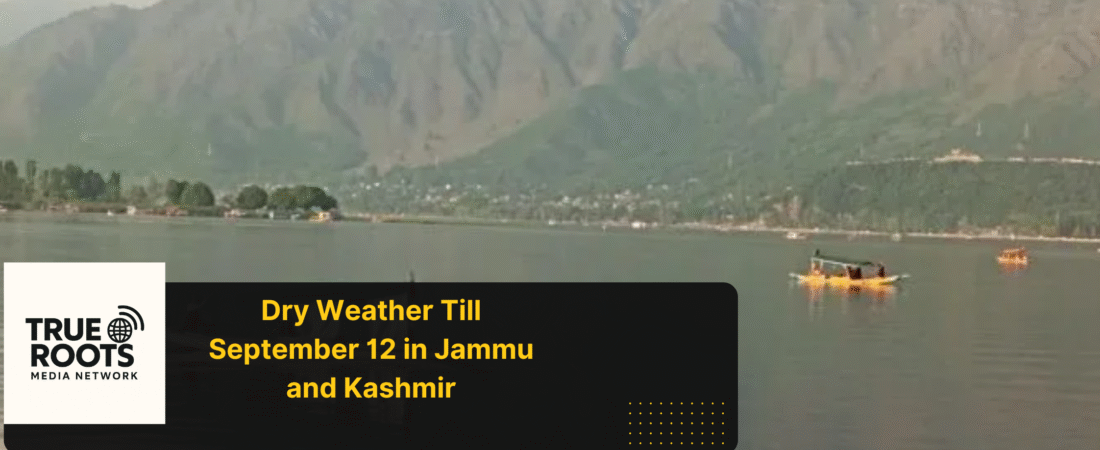
The Indian Meteorological Department (IMD) Srinagar issued a reassuring forecast for Jammu and Kashmir on September 12, 2025, predicting mostly dry and clear conditions across the region until the day’s end, offering a temporary breather from the monsoon woes that plagued the area. Temperatures are expected to range from 24°C to 28°C in the plains, with cooler highs of 18-22°C in higher elevations like Srinagar and Gulmarg. However, isolated light rains or thundershowers remain possible in scattered pockets, particularly in upper reaches, maintaining a moderate risk of landslides in vulnerable hilly areas such as Doda, Ramban, and Reasi.
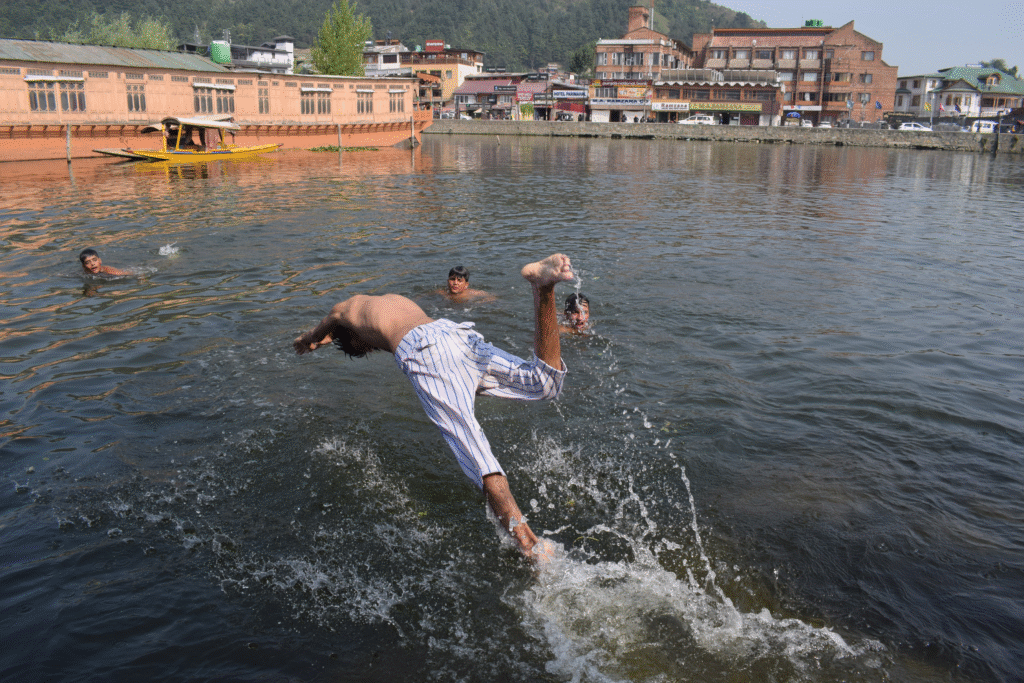
This stable weather window follows a tumultuous August-September period, where heavy downpours led to over 40 fatalities, displaced 15,000 families, and inflicted ₹1,200 crore in damages to infrastructure, including 12,000 km of roads washed away. The IMD’s advisory emphasizes caution, noting that soil saturation from prior rains—exceeding 150% of normal monsoon levels—heightens instability in steep terrains. “While no major activity is anticipated till September 12, residents in sensitive zones should avoid riverbanks and slopes,” an IMD official stated, referencing the recent NH-44 blockade that stranded 4,000 vehicles for nine days.
Looking ahead, the forecast shifts: Light to moderate rainfall with thunderstorms is likely from September 13, with heavy showers warned for Kathua district, potentially swelling rivers like the Chenab and Tawi, which overflowed danger marks 12 times this season. Upper areas may see 20-50 mm precipitation, sustaining landslide threats that affected 283 houses in Ramban alone. Farmers, advised to resume paddy harvesting (J&K’s key crop covering 1.2 lakh hectares), are urged to monitor forecasts, as erratic weather has reduced yields by 15-20% in flood-hit zones.
Humidity levels, currently at 60-70%, could rise with any showers, exacerbating vector-borne diseases; post-flood health camps have treated 5,000 cases. Authorities recommend emergency kits and IMD app alerts, while NHAI patrols bolstered on NH-44, cleared just two days ago. This dry spell aids recovery, with 70% of damaged roads repaired, but underscores the need for resilient infrastructure amid climate change—J&K has seen a 10% rainfall increase over the decade. As the region heals, this forecast provides optimism for agricultural and travel normalization.