
JAMMU, Sept 8 2025
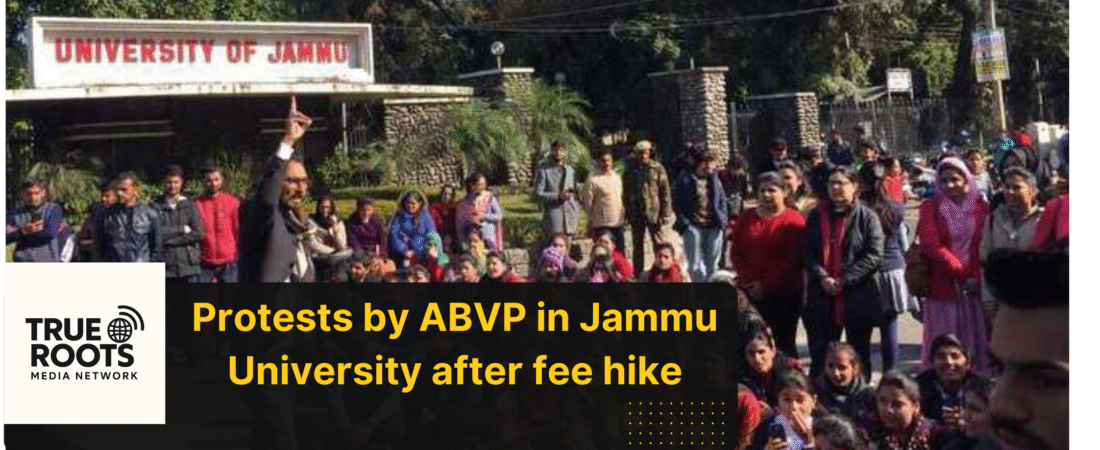
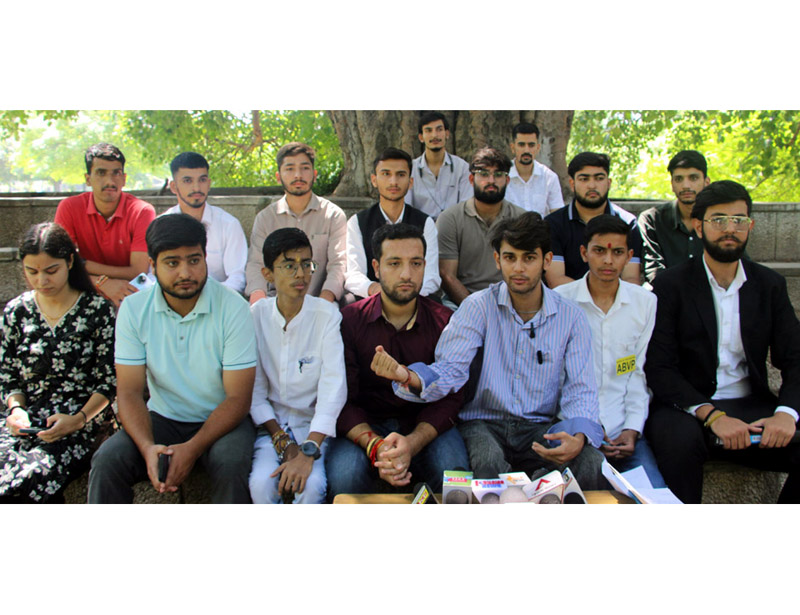
A protest has erupted at Jammu University after the Akhil Bharatiya Vidyarthi Parishad (ABVP), the student body, denounced an “anti-student” fee hike. During a press conference on September 5, ABVP demanded the university reverse its recent policy of increasing both tuition and hostel fees annually.
ABVP’s vice president, Amit Sadotra, accused the university administration of adopting a “profit-making mindset” instead of prioritizing student welfare. The 10% annual hikes create unnecessary financial burdens on students and families, especially as these increases are applied across all departments—even though academic or infrastructure improvements remain unaddressed.
The numbers underscore the uptrend:
- Hostel fees have climbed from ₹7,610 last year to ₹8,380 this year—representing a 10% rise.
- More notably, semester fees surged from ₹14,770 to ₹17,430—an 18% hike within the same year.
A breakdown of the hostel fees as per the university’s own notification for 2025-26 shows charges such as ₹1,070/year for room rent, ₹1,290 for electricity, ₹950 maintenance, and other levies—excluding one-time security costs—bringing the base hostel cost close to ₹5,000, without mess and additional expenses.
These statutory components alone highlight that the ₹8,380 total may just be the beginning of what students must spend. These sharp increases prompted urgent demands for rollback of the policy. ABVP warned that, if not addressed, they would initiate widespread agitation on campus.
The hike doesn’t just hurt students—it undercuts equity and affordability. Many students commute from rural or distant areas, and when both tuition and accommodation costs rise simultaneously, their academic aspirations are made increasingly unattainable. ABVP’s strong stance reflects growing student frustration over what appears to be the commercialization of education—a trend they fear treats learners more like sources of revenue than future leaders.
ABVP’s demand is straightforward: Reverse the 10% annual hike in both admissions and hostel fees immediately. They insist the university refocus on accessibility, affordability, and academic excellence — not revenue generation.
The friction at Jammu mirrors similar protests across India—like those at AMU over 30-40% fee hikes in certain courses—highlighting a broader student resistance to rising education costs
A transparent discussion on fee allocations, infrastructure improvements, and student affordability should be the next step. Without visible upgrades to facilities or academic quality, fee increases appear unjustifiable. Unless university authorities act swiftly, ABVP suggests further campus-wide action is likely.
Editorial Note:
This episode raises a critical question: When do educational institutions cross the line from necessary fee adjustments to exploitation? Increasing costs without visible improvements undermines trust and accessibility. ADmission fees are one thing, but consecutive hikes in hostel charges add another burden. A transparent cost breakdown and joint student–administration review might restore confidence. Students deserve fairness—not just fee memos.