
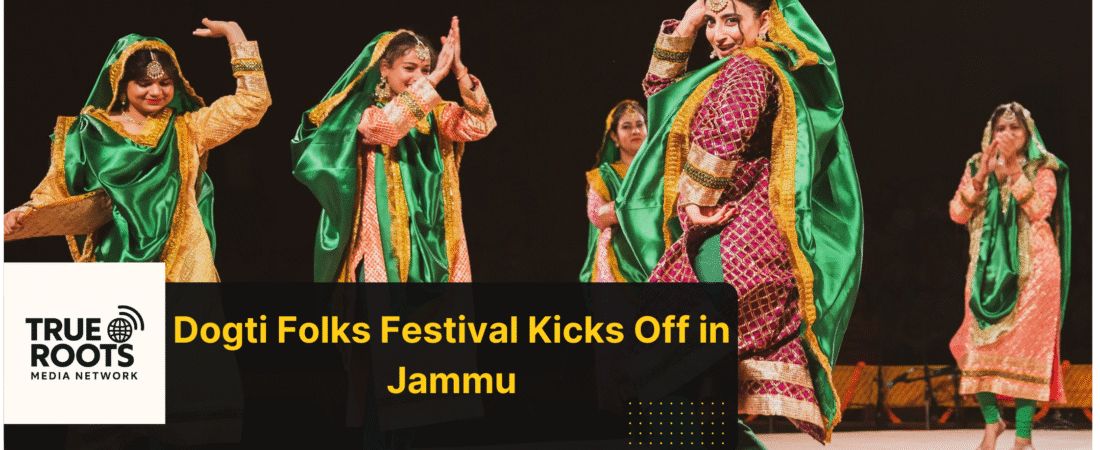
As the sun dips low over Jammu’s historic skyline, the Dogri Folk Festival at Abhinav Theatre enters its second day on September 17, 2025, enveloping attendees in a whirlwind of melodies and movements that celebrate the Duggar region’s soul. Curated by the J&K Academy of Art, Culture, and Languages, this three-day affair has already enchanted 5,000 visitors with its tapestry of performances, transforming the venue into a living chronicle of Dogra life. From the rhythmic clatter of chimtas in Geetru dances to the haunting strains of algoza flutes in Kud enactments, the festival pulses with stories of harvest joys, familial bonds, and historical valor, offering a soothing counterpoint to the recent floods’ turmoil.
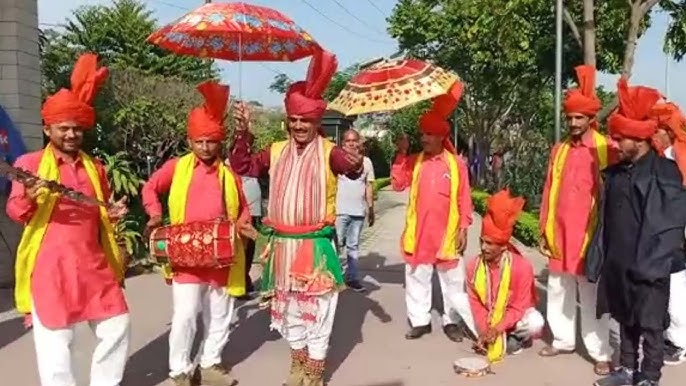
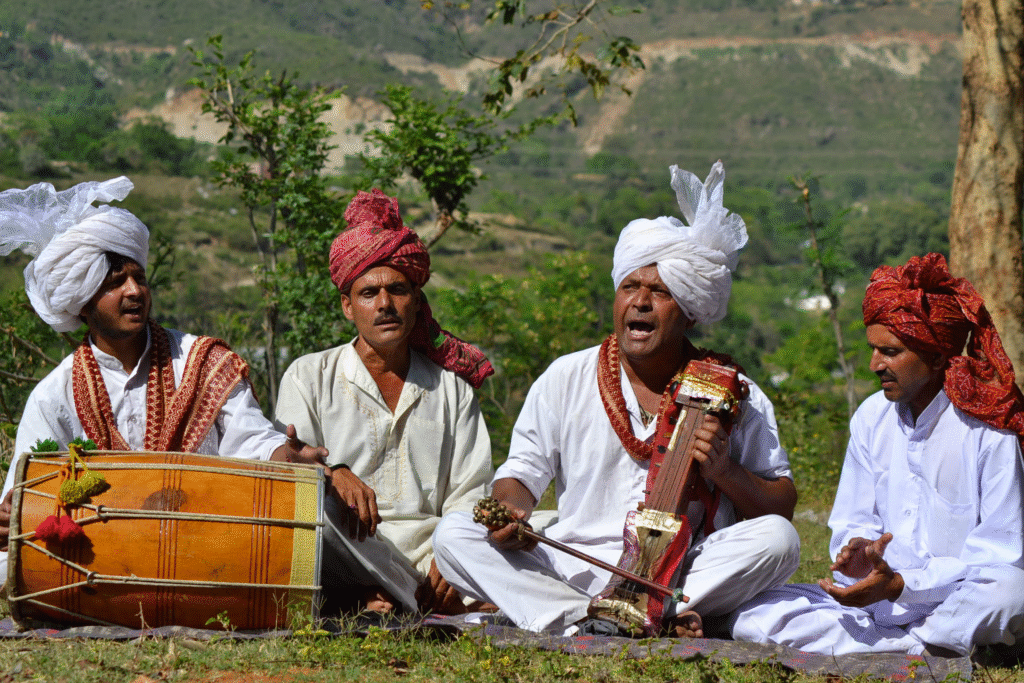
Day two spotlighted Jagarana, a graceful women’s dance traditionally gracing wedding processions, where performers in flowing ghagra-cholis linked arms in harmonious circles, their steps quickening to the dholak’s beat as they sang of love’s enduring flame. “These dances are our whispers to the past, reminding us of who we are even when homes are lost,” reflected lead dancer Meera Kumari from Udhampur, whose community rallied post-flood with folk gatherings to lift spirits. The event’s workshops delved into crafting thumbak nari drums and reciting Chowki Naach epics—dramatic retellings of Dogra warriors’ battles—engaging 700 participants, including youth from affected villages who found solace in creative expression.
Culinary delights amplified the cultural immersion, with stalls dishing out ambal’s tangy allure and patissa’s sweet comfort, crafted by 250 artisans from rural enclaves like Ranbir Singh Pura. These vendors, many rebuilding after crop losses, shared recipes passed down generations, turning the festival into a marketplace of memory. Academy Director Bharat Singh Manhas opened a session on Dogri literature, featuring poets like Padma Sachdev’s verses on resilience, drawing parallels to contemporary trials. “In our songs lies strength; they bridge the old and new,” Manhas noted, as attendees from diverse backgrounds mingled, fostering bonds in a divided landscape.
The festival’s resonance extends beyond entertainment—it’s a beacon for tourism revival, with live streams reaching 10,000 online viewers and plans for satellite events in flood-hit Reasi. Performances of Phummaniyan, honoring serpent deities, evoked communal prayers for protection, while Keekli’s innocent spins by young girls symbolized untainted hope. As evening fell, a grand Rouf finale with swirling scarves closed the day, leaving echoes of laughter amid the theatre’s arches. For families like the Sharmas from Akhnoor, it’s a rare escape: “The floods took much, but not our music.” This gathering reaffirms Dogri’s vitality—spoken by millions—as a thread weaving Jammu’s past into its healing present, inviting all to partake in its rhythmic embrace.