
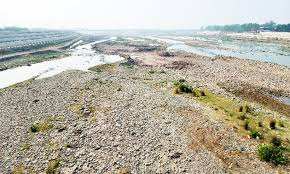
September 29, 2025, the banks of the Tawi River in Jammu were buzzing with energy, not from the usual morning walkers, but from over 2,000 volunteers—students, shopkeepers, retirees, and even priests—who rolled up their sleeves for a massive cleanup drive. Launched at 7:00 AM near the Tawi Bridge, the initiative, dubbed “Tawi Bachao Abhiyan,” aimed to clear debris and waste left by August’s devastating floods, which had submerged homes and businesses across the city. The Jammu Municipal Corporation (JMC), alongside local NGOs like Green Jammu Society, organized the effort, which saw locals wielding shovels and sacks to reclaim their river, a lifeline for the city’s water and spirit. JMC Commissioner sweating alongside volunteers, told reporters at 10:00 AM, “The Tawi is Jammu’s soul—today, we’re giving it back its dignity.”
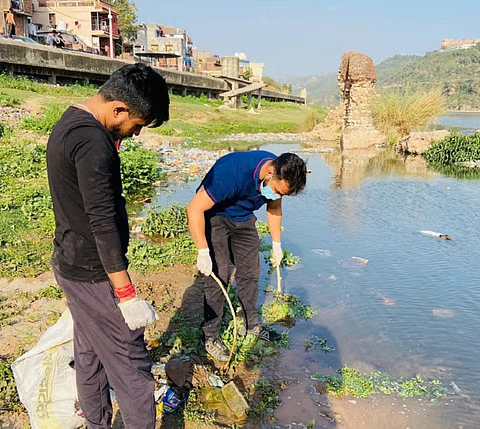
The floods, triggered by heavy monsoon rains, had left a trail of destruction—plastic bags, broken furniture, and mud choked the riverbanks, threatening water quality and local ecosystems. The JMC estimates 1,500 tonnes of waste were dumped into the Tawi during the deluge, clogging drains and causing health risks like waterborne diseases in low-lying areas like Bhagwati Nagar. Today’s drive, which stretched from the Tawi Bridge to Gujjar Nagar by 3:00 PM, cleared 300 tonnes of debris, including plastic bottles, rotting wood, and even a rusted scooter frame. Volunteers like Anita Devi, a 45-year-old schoolteacher from Gandhi Nagar, shared, “I saw my students’ homes flooded—this is personal. We’re cleaning for our kids’ future.” By noon, the river’s edge looked visibly clearer, with patches of green grass peeking through where sludge once sat.
The campaign wasn’t just about muscle. The J&K Pollution Control Board set up mobile testing units along the river, checking water quality in real-time. Early results showed a 20% drop in bacterial contamination since cleanup efforts began last week, a small win for a river that supplies 40% of Jammu’s drinking water. Local environmentalist Vikram Singh, who led a team of 50 college students from R S Pura, explained, “The floods carried urban waste into the Tawi, killing fish and plants. We’re not just cleaning—we’re saving an ecosystem.” The effort tied into the Swachh Bharat Abhiyan’s ongoing push, with Lieutenant Governor Manoj Sinha joining briefly at 9:30 AM to plant saplings near the riverbank, a nod to long-term restoration. He told the crowd, “Jammu’s strength lies in its people—your work today is proof.”
The drive spanned urban and rural Jammu. In Akhnoor, 200 volunteers tackled debris near the Chenab confluence, while Kathua’s rural teams cleared irrigation channels linked to the Tawi. Schools pitched in—1,000 students from Government Higher Secondary School in Jammu painted anti-littering murals along the riverfront, their artwork urging “Keep Tawi Clean.” The economic angle is stark: the floods cost Jammu Rs 200 crore in damages, per the J&K Disaster Management Authority, hitting small businesses like tea stalls and vegetable carts hardest. Today’s cleanup gave vendors a chance to restart, with temporary stalls set up for workers, boosting local sales. The Jammu Chamber of Commerce reported a 15% uptick in market activity around cleanup sites.
Challenges loomed. Power cuts in rural Samba disrupted water pumps needed for sludge removal, and some volunteers grumbled about limited gloves and masks—JMC promised more supplies by tomorrow. Security was tight, with 200 Jammu Police personnel ensuring safety, as confirmed by IGP V. K. Birdi. The Pahalgam attack’s shadow lingered, with tourism still down 40%, but the cleanup drew a few brave visitors who joined in, snapping photos shared on social media.
The campaign isn’t a one-day affair. JMC plans weekly drives through October, aiming to clear 80% of flood debris by Diwali. The government has allocated Rs 5 crore for riverbank restoration, including new waste bins and a proposed sewage treatment plant near Gujjar Nagar. For Jammu’s residents, the Tawi isn’t just water—it’s heritage, from Dogra legends to daily life. As the sun set, volunteers lingered, sharing chai and stories of the river’s past. The cleanup’s a start, a gritty, hopeful step toward healing a city bruised but unbroken.