
JAMMU, September 11, 2025
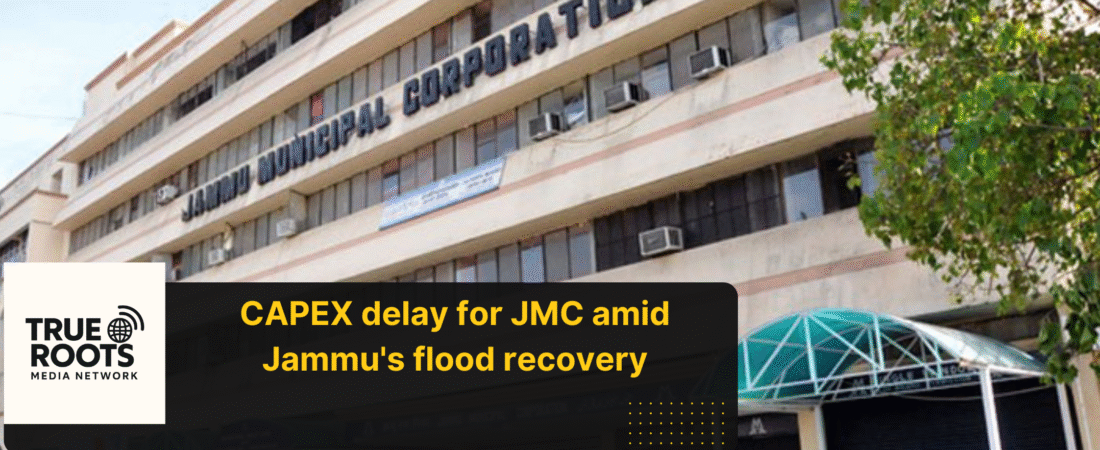
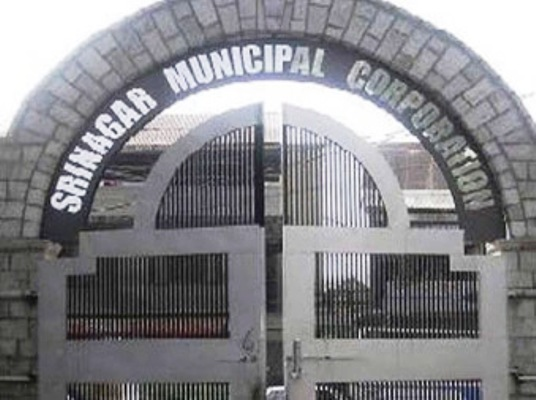
As the scars of recent devastating floods continue to mar Jammu’s urban landscape, the Jammu Municipal Corporation (JMC) finds itself paralyzed by bureaucratic delays in securing crucial Capital Expenditure (CAPEX) funds, highlighting yet another instance of alleged regional discrimination in Jammu and Kashmir’s resource allocation. While its counterpart, the Srinagar Municipal Corporation (SMC), has received full budgetary approval and is poised to commence developmental works imminently, JMC awaits clearance for approximately Rs 26 crore – nearly 50% of its allocated CAPEX budget. This disparity not only hampers immediate restoration efforts but also risks the permanent loss of funds earmarked for vital urban infrastructure, exacerbating the challenges faced by a city still reeling from cloudbursts, flash floods, and heavy rains that damaged roads, drains, and water supply systems.
The issue, first flagged in early September, underscores a pattern of uneven funding distribution between Jammu and Kashmir divisions, a grievance long voiced by local stakeholders. Reliable sources indicate that SMC has already finalized tenders and is set to initiate projects with its Rs 46 crore CAPEX allocation, enabling swift urban enhancements in the Valley. In stark contrast, JMC’s pending Rs 26 crore remains unapproved by relevant authorities, stalling essential repairs and upgrades. This delay comes at a critical time, as Jammu city grapples with the aftermath of floods that have left streets pothole-ridden, nallahs vulnerable to overflow, and water supply schemes precariously restored on a temporary basis. The absence of these funds could lead to lapsed allocations, further straining the city’s development trajectory and leaving residents vulnerable to future monsoons.
The Flood Aftermath: A Ticking Time Bomb for Jammu’s Infrastructure
Recent natural calamities have inflicted severe damage across Jammu region, with cloudbursts and flash floods in late August and early September 2025 washing away vital infrastructure. Roads, lanes, drains, and retaining walls in Jammu city bore the brunt, disrupting daily life and commerce. Temporary fixes are underway, but permanent restoration demands substantial investment. A separate proposal for Rs 60 crore has been forwarded to the Jammu and Kashmir Union Territory (UT) Government specifically for flood-hit infrastructure repairs, yet not a single penny has been disbursed as of September 11. This funding gap is particularly alarming given the scale of devastation: over 1,000 villages affected, widespread waterlogging, and damages estimated in hundreds of crores across the region.
Insiders reveal that if the pending CAPEX funds are released, JMC’s immediate priorities would include erecting retaining walls along vulnerable nallahs to mitigate recurrent rain threats, repairing flood-induced pits on major roads, and overhauling water supply schemes that risk collapse without intervention. “The water systems are patched up temporarily; any heavy downpour could undo everything,” a source involved in restoration efforts noted. These delays not only prolong public hardship but also amplify health risks, with stagnant water breeding diseases and poor roads hindering emergency services. In a city where per capita income lags behind national averages and unemployment hovers around 15-20%, such infrastructural setbacks undermine economic recovery and quality of life.
Regional Disparities: A Pattern of Perceived Discrimination

The CAPEX funding imbalance between JMC and SMC is symptomatic of broader concerns over regional equity in Jammu and Kashmir. While the 2025-26 UT budget, presented by Chief Minister Omar Abdullah in March, allocated significant resources for capital projects – totaling over Rs 30,000 crore for the entire UT – implementation has been uneven. Reports from June 2025 highlighted delays in CAPEX allocations for Jammu region overall, with development works hampered by three months of pending fund releases. In contrast, SMC’s proactive reviews in June, chaired by Commissioner Faz Lul Haseeb, focused on strategic planning and timely execution, ensuring full budgetary utilization for sustainable urban development.
This disparity echoes longstanding accusations of favoritism toward the Kashmir Valley, as voiced by political figures and civil society. BJP spokesperson Girdhari Lal Raina recently criticized the NC-Congress alliance for “brazen discrimination,” pointing to inadequate central team visits to Jammu’s flood-hit interiors compared to hyperactive responses in Kashmir. Deputy Chief Minister Surinder Kumar Choudhary has urged Prime Minister Narendra Modi and Home Minister Amit Shah for a Rs 1.60 lakh crore relief package for Jammu, double the Rs 80,000 crore provided after the 2014 Kashmir floods, emphasizing that 2025’s catastrophe in Jammu is the worst in a century. Yet, while the Centre announced Rs 209 crore in immediate relief following Union Home Minister Amit Shah’s visit, critics like PDP chief Mehbooba Mufti argue it’s insufficient, demanding more comprehensive aid. The Congress party has also called for a judicial inquiry into flood-related deaths and a robust relief framework to address the inequities.
These funding gaps risk not just physical infrastructure but social cohesion, as Jammu residents – many from economically weaker sections – feel sidelined in the UT’s development narrative. With the National Education Policy (NEP) 2020 and Smart Cities Mission emphasizing equitable urban growth, such delays contradict broader goals, potentially leading to higher dropout rates among students affected by poor facilities and stunted local economies.
Implications for Jammu’s Future: Calls for Urgent Action
The stalled CAPEX and unreleased Rs 60 crore proposal could cascade into long-term woes, including lost opportunities for job creation through infrastructure projects and increased vulnerability to climate events. Jammu, as the winter capital and a key economic hub, serves over 20 lakh residents and contributes significantly to the UT’s GDP through trade and tourism. Without timely funds, projects like road resurfacing and drainage improvements – essential for aligning with the UT’s Rs 191.87 crore tourism CAPEX for 2025-26 – will falter, impacting sectors like hospitality that are already recovering from flood disruptions.
Stakeholders urge the UT administration to expedite approvals and form a joint task force for transparent fund allocation, involving local representatives to prevent lapses. As enrollment deadlines and monsoon seasons approach, the pressure mounts for dialogue between JMC, state authorities, and the Centre to avert further setbacks. This isn’t merely a funding issue; it’s a test of equitable governance in a region striving for balanced progress under the UT framework.
Editorial Note: The CAPEX delay for JMC amid Jammu’s flood recovery exposes deep-rooted regional imbalances that undermine trust in the UT administration. True Roots Media calls for immediate action to release funds and ensure fair distribution, prioritizing people’s needs over bureaucratic hurdles. As Jammu rebuilds, equitable development must bridge divides, fostering resilience for all. Let’s advocate for transparency to prevent such disparities from derailing progress.
Know a Local Leader or Community Hero Tackling Infrastructure Challenges in Jammu?
Have a story about someone in Jammu or Kashmir fighting for fair funding or leading flood recovery efforts? Share their journey with us at info@truerootsmedia.com, and we’ll feature them in our upcoming stories to inspire collective action for equitable development.