Jammu, October 28, 2025 – In a move blending tradition with modernity, the Jammu and Kashmir government revealed today that it is actively promoting Hindi’s use in official communications, including making all departmental websites trilingual in Hindi, Urdu, and English to boost accessibility and inclusivity. The announcement, made during the ongoing autumn session of the Legislative Assembly in Srinagar, comes as part of broader efforts under the Jammu and Kashmir Official Languages Act, 2020, which recognizes Hindi, Urdu, Kashmiri, Dogri, and English as official languages.
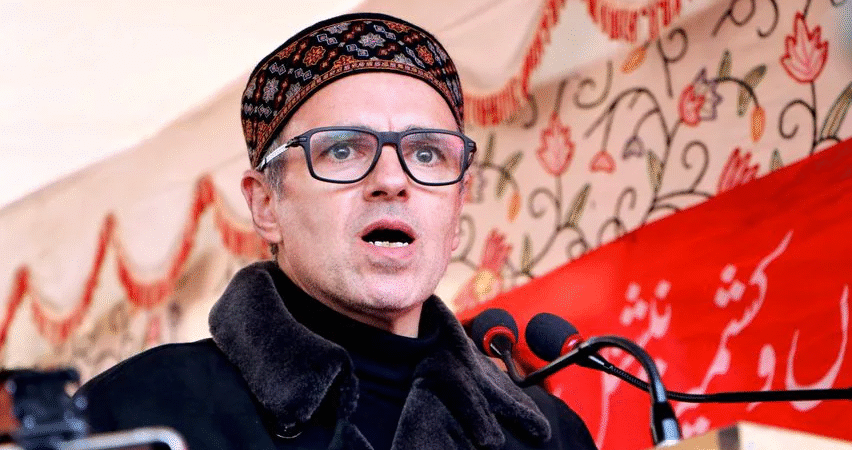
The revelation, tabled in response to queries during Tuesday’s session, highlights several initiatives: departmental language cells are expanding to facilitate Hindi adoption, and the e-office system – operational across all government offices since 2022 – now includes built-in Hindi reference modules for gradual integration in daily correspondence. “This ensures wider reach for citizens while honoring our linguistic heritage,” said Social Welfare Minister Javed Ahmad Rana at a 12 PM presser in Srinagar, emphasizing that the changes aim to make public services more user-friendly without marginalizing regional tongues.
The trilingual website rollout, already underway for 50% of portals as of July 2025 per government data, allows users to toggle between languages, with Hindi gaining prominence in forms, notifications, and helplines. Recruitment rules will incorporate Hindi proficiency as needed for specific services, per the 2020 Act, but no blanket mandate yet – a committee’s 2022 report on language roadmaps is pending Finance Department clearance. This builds on the Act’s framework, enacted post-Article 370 abrogation to standardize administration while preserving J&K’s multilingual fabric.
For Jammu’s 5 million residents, where August’s floods wrecked 4,000 homes and 70 bridges, the push feels practical. In Raghunath Bazaar’s bustling lanes, a Hindu trader navigating relief forms by noon said: “Hindi on sites means faster aid claims – no more language walls.” Akhnoor’s Muslim farmers, sorting post-flood crops at 1 PM: “Urdu stays, but trilingual helps everyone.” Reasi’s Sikh elders, at a 2 PM community hall: “Unity in tongues – like our langar for all.”
Historically, J&K’s languages evolved from Dogra era’s Urdu dominance (as in 1889’s state council) to 1950s Hindi inclusions, but 2019’s changes sparked debates on cultural shifts.