
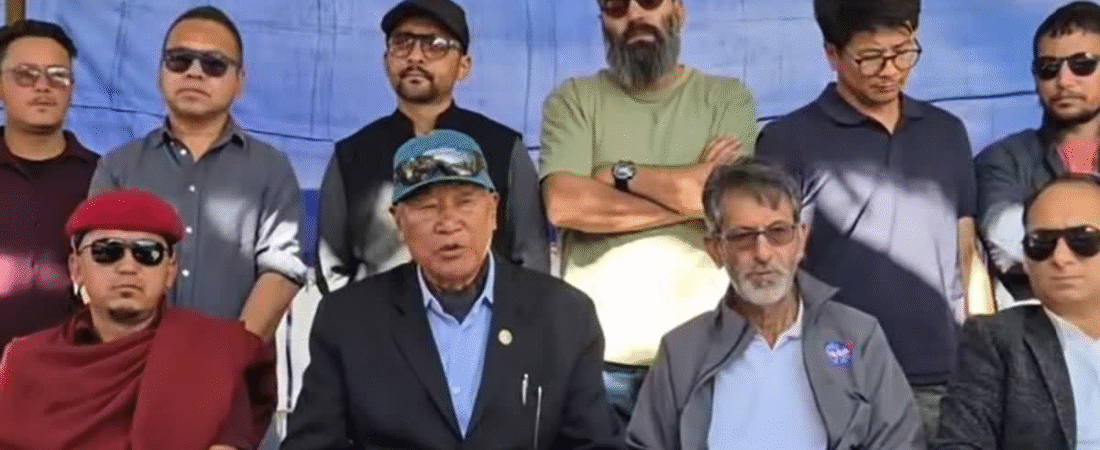
Leh, September 30, 2025 – The crisp Ladakhi dawn broke today with an eerie hush over the gompas and prayer-flagged lanes, the kind that follows a storm you can still taste in the air. It’s day six of the curfew clamping Leh like a vice, imposed after Wednesday’s chaos claimed four young lives and left over 80 souls – protesters and jawans alike – nursing wounds from stones, tear gas, and worse. As the sun climbed over the Stok Kangri around 7 AM, painting the Indus Valley gold, patrolling CRPF troopers nodded to elders fetching water from community taps, a fragile truce in a town that’s bled for its dreams. The spark? Demands for statehood and Sixth Schedule protections, simmering since 2019’s bifurcation, boiled over when Sonam Wangchuk’s 35-day hunger strike met a wall of silence from Delhi.
For us in Jammu, with our shared mountain veins, this hits like kin in distress. Remember the ’19 changes, stripping J&K’s special status? Leh felt it sharper – jobs drying up, land grabs by outsiders, a Gen-Z generation adrift in their own backyard. The Leh Apex Body (LAB) and Kargil Democratic Alliance (KDA), voices of the hills, had called for talks; instead, a youth-led shutdown on September 24 turned ugly. Protesters torched the BJP office near the main bazaar, flames leaping skyward by 2 PM, while a police Gypsy burned nearby. “It was anger, not anarchy,” reflects Tashi Dorje, 28, a software engineer from Changspa who joined the march, his arm bandaged from a rubber bullet graze. Speaking softly over a crackling phone line this morning from his locked-down home, he adds, “We wanted dialogue, not death. Four gone – students like us, dreaming of jobs in Leh, not Mumbai.”
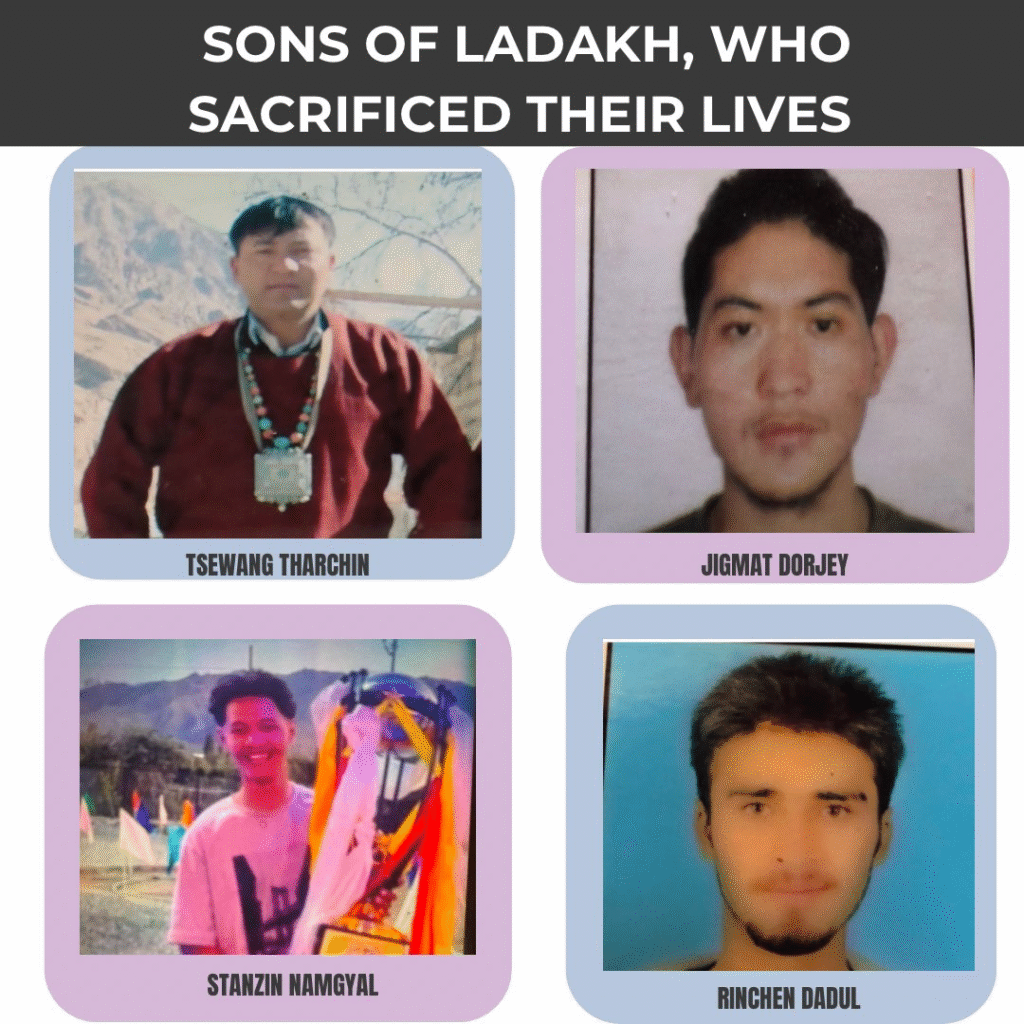
The toll: four dead, including two critically injured teens airlifted to SNM Hospital; 40 cops hurt, per official counts; and a city of 30,000 under Section 163 BNSS restrictions – no gatherings, checkpoints every corner. Lieutenant Governor Kavinder Gupta, in a security huddle yesterday at 4 PM at Raj Niwas, vowed vigilance: “Peace is paramount; vested interests won’t divide us.” But whispers from the markets, shuttered since the bandh, paint a grimmer picture. Sonam Wangchuk, the climate crusader whose fast ended amid the melee, broke his silence last night via a recorded message: “Youth’s revolution, yes – but violence? It wounds our cause. Delhi, hear us before echoes fade.” His NGO, SECMOL, lost its FCRA license days prior, a move LAB calls “political sabotage.”
Daily life? A ghost of itself. Bakeries in the old town, famed for thukpa and khambir, stand empty; schoolkids from Kendriya Vidyalaya peer from rooftops at humming drones overhead. Tourism, Ladakh’s lifeblood, grinds to halt – flights from Jammu diverted, treks to Nubra canceled, pashmina stalls collecting dust. “My lodge in Thiksey housed 20 Gujaratis last peak season; now, crickets,” laments innkeeper Dolma Yangdol, 45, over a hushed call from her veranda. Economic bleed? Rs 500 crore lost already, trickling south to our Jammu traders who supply wool and dry fruits. Yet, resilience flickers: community kitchens at the polo grounds dish out momos to the needy; monks from Hemis lead silent marches under curfew passes, prayer wheels spinning for calm.