
Jammu, September 30, 2025 –
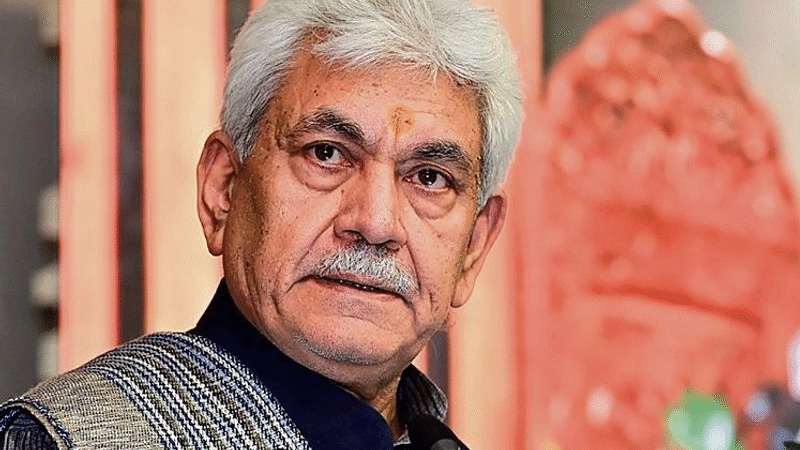
Around 11 AM on September 29, at the lively ‘Swachhata Vijayotsav’ bash thrown by the Rural Development and Panchayati Raj Department under the ongoing ‘Sewa Parv’, Lieutenant Governor Manoj Sinha didn’t mince words. With the scars of last month’s floods still raw – homes half-buried in silt, bridges dangling like broken teeth – he laid it out plain: time to hit the brakes on encroachments along our water bodies, or risk more heartbreak next monsoon. “These illegal builds might feel like a quick fix for some,” Sinha said, his voice carrying over the crowd of over 500 at the event ground near the Civil Secretariat, “but they choke the rivers, trap the waters, and cost us lives we can’t get back.” It’s a message that’s landed like a splash in the chai cups of families who’ve stared down the Tawi’s rage, from the auto drivers in Talab Tillo to the farmers in Akhnoor watching their fields turn to lakes.
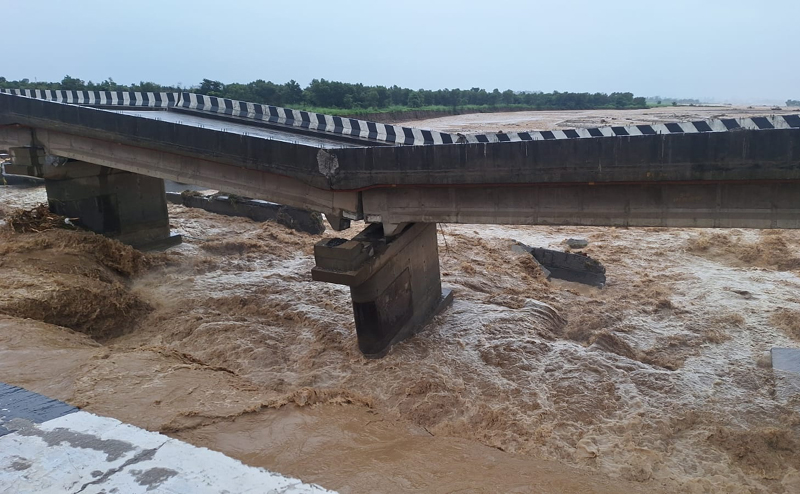
Picture the scene yesterday: prayer flags fluttering alongside banners screaming “Swachhata Hi Seva,” Swachhagrahis in bright vests handing out brooms, and kids from nearby government schools planting saplings under the watchful eyes of DDC Chairman Bharat Bushan and MP Jugal Kishore Sharma. Sinha, sleeves rolled up after laying foundation stones for GOBARdhan biogas plants and faecal sludge treatment setups across rural spots, turned the mic to the elephant in the room – or rather, the shanties hugging the riverbanks. He dropped the numbers that still make stomachs churn: over 4,000 houses gutted, 3,237 kilometers of roads chewed up like paan, and 70 bridges swept away or battered beyond quick fixes. Power lines snapped, schools turned into puddles, health centers without roofs – the tally from August’s cloudbursts and downpours, the worst in over a century for Jammu, runs into billions. “This wasn’t just nature’s fury,” Sinha told the gathering, quoting a line that’s now making rounds on local WhatsApp groups, “it was our own doing, blocking the flow and inviting disaster.”
For residents like Sunita Devi, 45, a widow from the flood-hit lanes of Barnai who lost her two-room home to the Tawi’s overflow on August 26, it’s hitting too close. We caught up with her this afternoon near a relief camp in Mishriwala, where she’s bunking with her three kids, sorting through damp photos of better days. “Our little wall by the river kept the cows out, but when the water came, it held nothing back,” she said, her dupatta pulled tight against the morning chill. “Now, with Sinha sahib saying report these things, maybe we can stop the next family from this nightmare.” The floods, sparked by 380 mm of rain in 24 hours – a record since 1910 – didn’t just wash away homes; they exposed how encroachments in spots like the Devak and Chenab banks turned trickles into torrents, flooding peripheries and claiming at least 150 lives across the division, per official counts. In Akhnoor alone, 330 bridges crumbled, stranding villages and spiking prices for basics as trucks idled on washed-out NH-44.
Sinha’s not stopping at finger-wagging, though. He rallied the crowd – from DIG Shiv Kumar Sharma to DC Rakesh Minhas – to launch a full-throated drive: officials to map and raze illegal structures, locals to tip off authorities via helplines or panchayat apps. “Build a movement,” he urged, echoing the ‘Sewa Parv’ spirit that’s had everyone from Katra pilgrims to Leh herders sweeping streets since September 17. And the good news filtering through? A Kerala-based NGO’s stepping up with 1,500 sturdy three-room homes at Rs 9 lakh a pop, shovels hitting dirt come October. “PM Modi, the Centre, and our team are all in,” Sinha added, nodding to Home Minister Amit Shah’s boots-on-ground visit and the central team’s damage survey. Over 5,000 PMAY-G houses greenlit too, a lifeline for the 12,800-odd families still picking up pieces. “Condolences to the grieving,” he said softly, “but let’s turn sorrow into action – teach our panchayats about climate change, because this scale? It’s only growing.”
The event wrapped with Sinha felicitating safai mitras – those unsung heroes in orange vests who’ve cleared tons of debris since the rains eased – and releasing a slick docu on Amarnath Yatra 2025’s sanitation wins. MLAs Yudhvir Sethi and Vikram Randhawa mingled post-speech, promising rural drives to spread the word: no more building on fragile spots, or we’ll pay in floods and landslides. For the average Jammuite navigating potholed paths to work or haggling at Raghunath Bazaar, it’s a wake-up laced with hope. Encroachments might’ve seemed harmless – a spot for a shed or a shop – but as one elder from Janipur put it over evening chai, “Sinha sahib’s right; it’s like poking a sleeping bear. Time we let the rivers breathe.” As ‘Sewa Parv’ rolls toward October 2, with cleanliness camps popping up from Samba to Rajouri, the message is clear: self-reflection now, or more regrets later.