
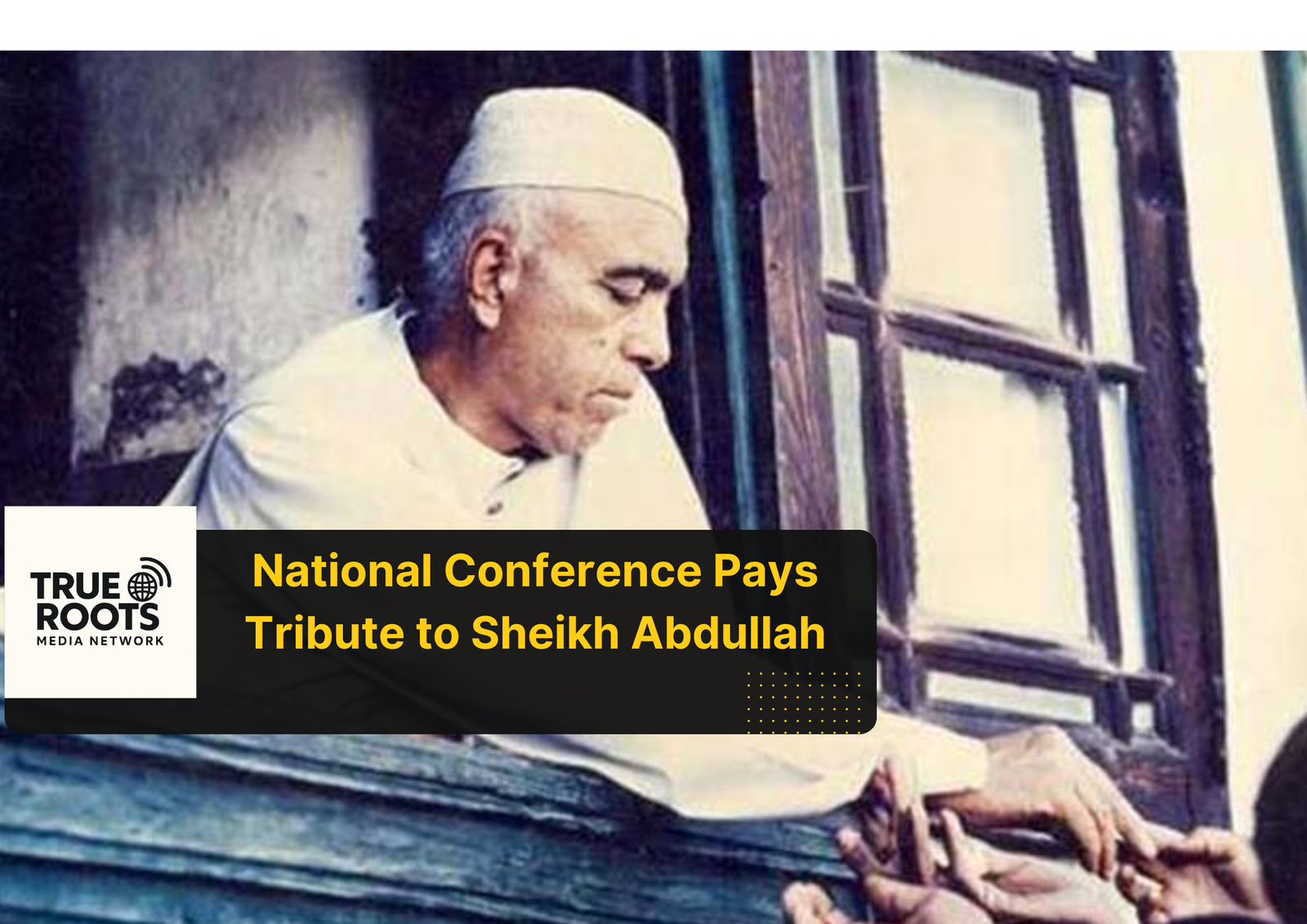
On September 12, 2025, the Jammu and Kashmir National Conference (NC) marked the 43rd death anniversary of its founder, Sher-e-Kashmir Sheikh Muhammad Abdullah, with heartfelt tributes led by President Farooq Abdullah and Chief Minister Omar Abdullah at Naseem Bagh mausoleum in Srinagar. Over 5,000 party workers, legislators, and citizens gathered for floral offerings, Fatiha Khawani, and prayers, commemorating the visionary leader who passed on September 8, 1982, after shaping J&K’s socio-political landscape.
Sheikh Abdullah, born in 1905, founded the NC in 1932 as the All Jammu and Kashmir Muslim Conference, evolving it into a secular force advocating autonomy and accession to India in 1947. His landmark Land to Tiller Act (1950) redistributed 4.5 lakh acres to 5 lakh tillers, eradicating feudalism and boosting agricultural output by 30%. As Prime Minister (1948-1953) and Chief Minister (1975-1982), he universalized education, raising literacy from 5% to 25% and establishing 1,000 schools. “Sher-e-Kashmir’s ideals of unity and empowerment guide us amid floods and disparities,” Farooq Abdullah remarked, referencing recent calamities displacing 15,000 families.
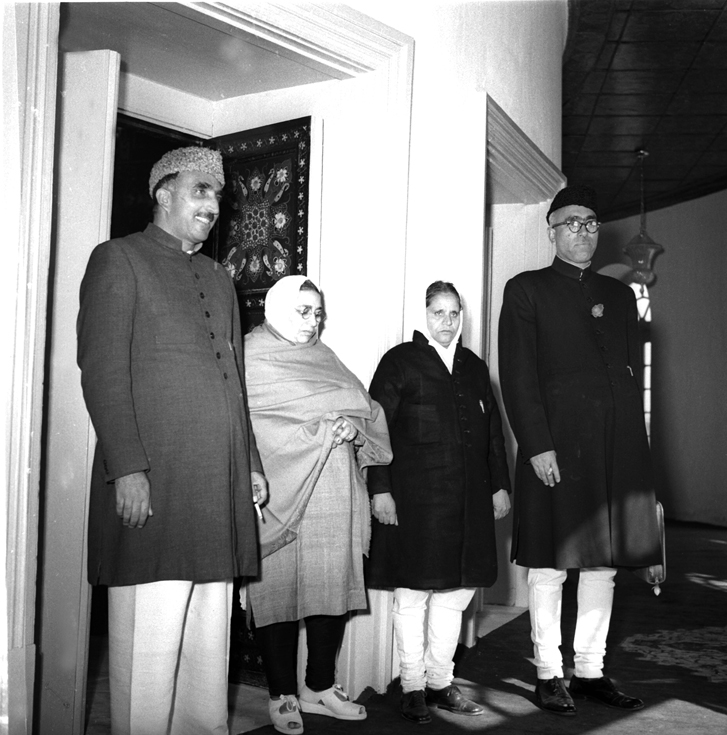
Commemorations spanned all 20 districts, with Jammu events drawing 2,000 attendees, underscoring Abdullah’s cross-regional appeal in a UT with 68% Muslim and 28% Hindu populations (2011 Census). His role in Article 370’s implementation fostered inclusive growth, with J&K’s GDP rising 15% annually under his reforms. Yet, challenges persist; regional funding imbalances, like JMC’s pending ₹26 crore CAPEX versus SMC’s full ₹46 crore, echo his equity calls.
Omar Abdullah pledged to advance Sheikh’s vision through NEP 2020 integration, targeting 50% enrollment. Attendees, including Speaker Abdul Rahim Rather and Advisor Nasir Aslam Wani, prayed for his soul, amid 80% party solidarity post-floods. This anniversary, amid 23% youth unemployment, renews commitments to secularism, with NC’s 40 MLAs vowing service. Sheikh’s legacy—over 200 reforms—remains a beacon, inspiring 70% of J&K’s development policies today.