
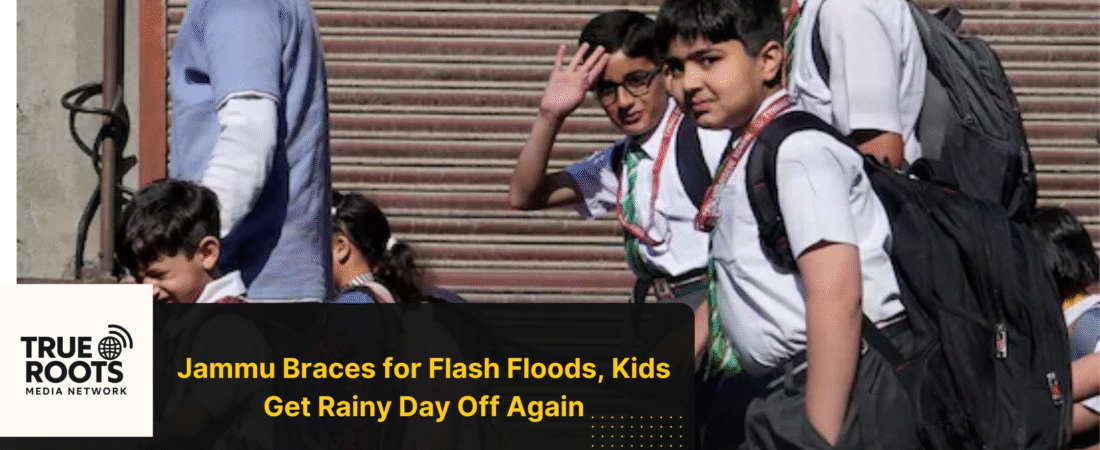
Jammu, October 6, 2025 – The morning sky over Jammu hung low and brooding, heavy with clouds that seemed to press down on the Tawi’s restless waters like an uninvited guest who won’t leave. By 7 AM, the first fat drops splattered against windowpanes in Gandhinagar, turning the narrow lanes into slick mirrors that reflected the worry on folks’ faces. Just weeks after August’s devastating floods that swallowed homes and dreams alike, the India Meteorological Department (IMD) has thrown down another gauntlet: a 48-hour alert for heavy to very heavy rainfall across the division, starting today and stretching into tomorrow. And in a move that’s got parents sighing with relief and teachers scrambling for lesson plans, the district administration has ordered all government and private schools – from the bustling classrooms of New Plot to the hillside schools in Reasi – shut through October 7. “Safety first, always,” said Deputy Commissioner Rakesh Minhas in a hurried press note released around 9 AM from his office overlooking the assembly complex. “We’ve seen what these rains can do; no child’s risking a landslide for algebra.”
It’s a decision that echoes the scars of last month’s fury, when 380 mm of rain in a day turned the Chenab into a monster, washing away 70 bridges and leaving 4,000 families homeless. Today, as the drizzle picked up pace around 10 AM near the high court, auto-rickshaw drivers like Balbir Singh, 52, huddled under tarps at the bus stand, nursing cups of steaming kahwa. “Kids at home means more mouths to feed, but better than headlines we don’t want,” he grumbled, eyeing the gray sheet over the Shivaliks. The IMD’s bulletin, flashed on every local WhatsApp group by midday, paints a grim picture: isolated heavy showers today, escalating to very heavy bouts tomorrow in districts like Jammu, Samba, and Rajouri. Flash floods in low-lying areas, landslides blocking the Mughal Road – it’s the stuff of nightmares for border villages still patching roofs with blue tarps. In Udhampur’s Bani sub-division, where a key bridge crumbled just last week, villagers like Sita Devi, 60, a widow tending her small plot, watched the sky warily from her veranda. “The river’s already murmuring; one big burst, and we’re back to boats,” she said, clutching a faded photo of her flooded yard.
But it’s not all gloom under these clouds. Disaster response teams from the NDRF and local SDRF are on high alert, with control rooms buzzing like beehives since dawn. “We’ve prepositioned sandbags along the Tawi and Devak, and helplines are live – 112 for emergencies,” assured Minhas during a spot inspection near Surankote around noon, where early showers had already turned nullahs into frothy streams. For the little ones, though, it’s an unexpected holiday windfall. In Talab Tillo’s back alleys, school bags lay forgotten as kids splashed in puddles, turning the downpour into an impromptu water park. “Math can wait; this is nature’s classroom,” laughed young Priya Sharma, 12, dodging raindrops with her brother near the Raghunath Temple ghat. Parents, meanwhile, are stocking up – grocery runs to Wave Mall spiked by 30% this morning, with shelves emptying of atta and dal faster than you can say “monsoon.”
The ripple effects are already showing. Tourism, our fragile economic thread, takes another hit: houseboat owners in nearby Dal Lake (yes, even they feel the Jammu ripple) report cancellations, while Bhaderwah’s apple orchards – prime picking season – brace for bruised harvests. “Cloudbursts don’t care about ripe fruit,” sighed orchardist Mohan Lal from his rain-lashed Doda farm over a spotty phone line this afternoon. “Last time, we lost half the crop; now, with militant whispers in the hills, it’s double trouble.” The administration’s urging caution: avoid unnecessary travel, especially on hilly stretches like the Batote-Kishtwar road, and report blockages pronto. Chief Minister Omar Abdullah, tweeting from Srinagar around 11 AM amid similar Valley alerts, chimed in: “Stay indoors if you can, Jammu. We’ve got your back – teams deployed, relief ready.” His words, simple as they are, land like a warm shawl in the chill.
As the afternoon wore on, with thunder rumbling like distant drums over the Pir Panjals, Jammu settled into a watchful rhythm. Street vendors shuttered early, chai stalls glowed like beacons under makeshift awnings, and families gathered for board games by candlelight – just in case. It’s days like these that knit us tighter, reminding the Dogra spirit that we’ve danced this rain dance before and come out swinging. But let’s be frank: enough with the monsoons already. As the clock ticks toward evening, with the Tawi swelling a bit more ominously, one can’t help but hope for a break. For now, huddle close, neighbors – share that extra umbrella, and keep the helpline handy. Tomorrow’s another chapter, but today’s lesson? When the skies open, we close ranks.