
October 9, 2025
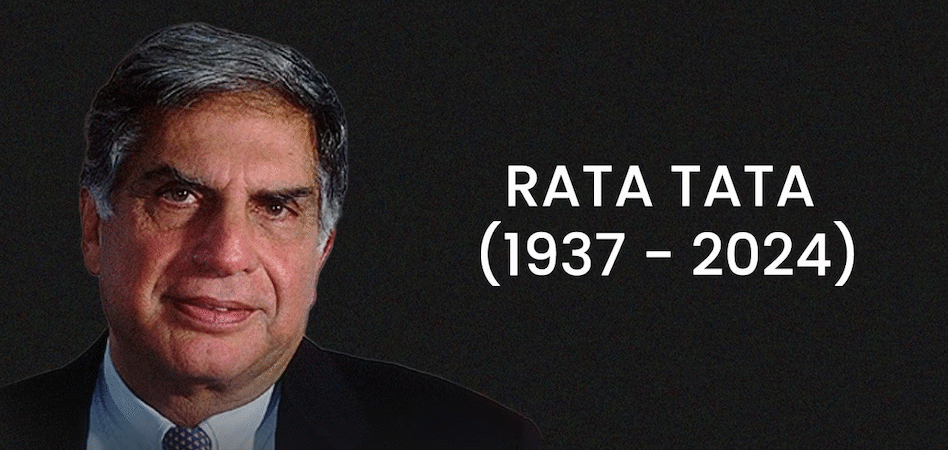
One year ago today, on October 9, 2024, India lost Ratan Naval Tata, the unassuming architect who turned a century-old industrial empire into a global force while keeping his feet firmly on the ground. At 86, he passed away in Mumbai’s Breach Candy Hospital after a brief illness, leaving behind a nation in quiet mourning. From the bustling streets of Mumbai to the apple orchards of Shopian in our own Jammu and Kashmir, his death felt personal – not just for the tycoons who admired him, but for the everyday worker, the student in a remote village, and the farmer dreaming of better machinery for his fields. As we mark this first death anniversary, it’s a moment to glance back at the man he was and the ripples his absence has created in the year since. In a country where business often blurs with politics, Tata’s life was a masterclass in integrity, and his legacy a reminder that true power lies in building, not just accumulating.
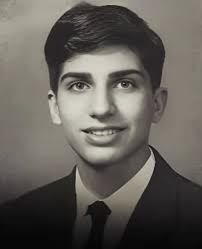
Born on December 28, 1937, in Bombay (now Mumbai) to Naval Tata, a Tata Sons director, and Sooni Commissariat, he grew up in a Parsi family steeped in the ethos of Jamsetji Tata, the group’s founder and his great-grandfather.
Jamsetji’s vision – industries serving society, not just profits – became Ratan’s north star.
Educated at Mumbai’s Campion School and New York’s Cornell University, where he studied architecture and structural engineering, Ratan returned in 1962 to join the Tata Steel shop floor, learning the grind from the ground up. “I wanted to understand the worker’s world,” he later said in interviews, a humility that defined him amid boardroom battles.
His ascent to chairman in 1991 was no cakewalk. At 53, he inherited a sprawling conglomerate of 95 companies, many unprofitable, and faced pushback from veteran barons like Russi Mody of Tata Steel. Undeterred, Ratan streamlined it into a leaner group of 30 firms, boosting revenues from $5 billion to $100 billion by 2012. Key moves? The 2000 acquisition of Tetley Tea for $407 million, marking India’s bold global foray. Then came the audacious $12 billion buy of Corus Steel in 2007, turning Tata Steel into a top-10 global player. The crown jewel: Jaguar Land Rover in 2008 for $2.3 billion, rescuing the British icon and creating 10,000 jobs in the UK while employing thousands in Pune. Closer to home, the 2009 launch of Tata Nano – the world’s cheapest car at Rs 1 lakh – aimed to put wheels under India’s poor, though it stumbled on perceptions, teaching lessons in empathy over engineering alone.
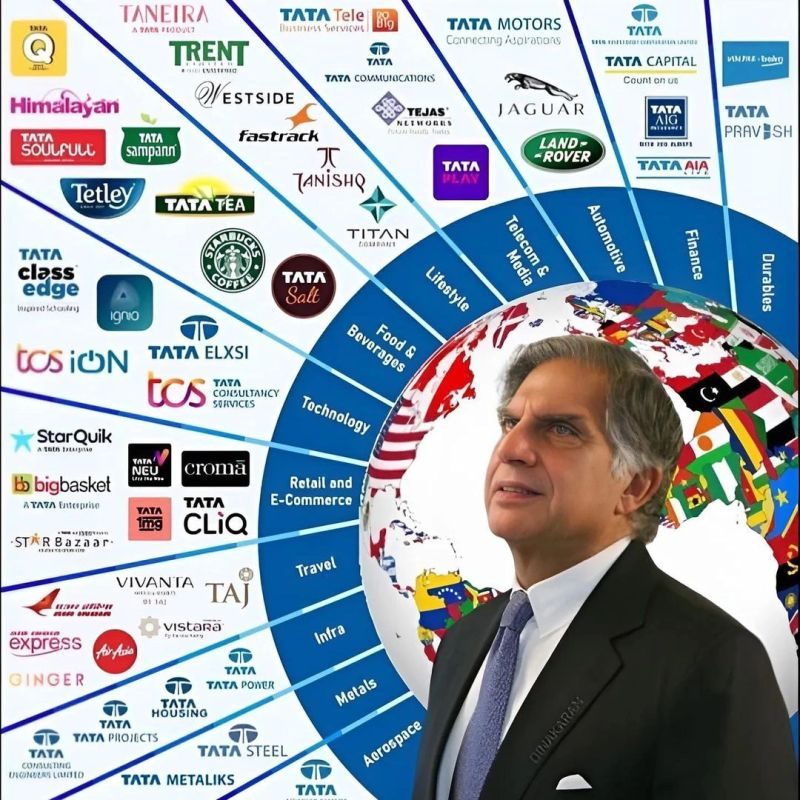
Philanthropy was his quiet superpower. Through Tata Trusts, controlling 66% of Tata Sons, he funneled billions into education (Cornell Tata Scholarship), healthcare (Tata Memorial Hospital expansions), and rural development. In J&K, Tata’s touch was subtle but real – partnerships for skill training in Leh’s tourism sector, benefiting 2,000 Buddhist and Muslim youth, and Nano-inspired mobility projects in flood-prone Akhnoor. Awards followed: Padma Bhushan in 2000, Padma Vibhushan in 2008, and the Padma Shri posthumously in 2024. Yet, Ratan shunned the limelight, preferring dog walks in Mumbai or flying his own plane. “Success is not just what you achieve, but what you inspire others to do,” he once told a young engineer – words that echo for our Dogra entrepreneurs navigating border uncertainties.
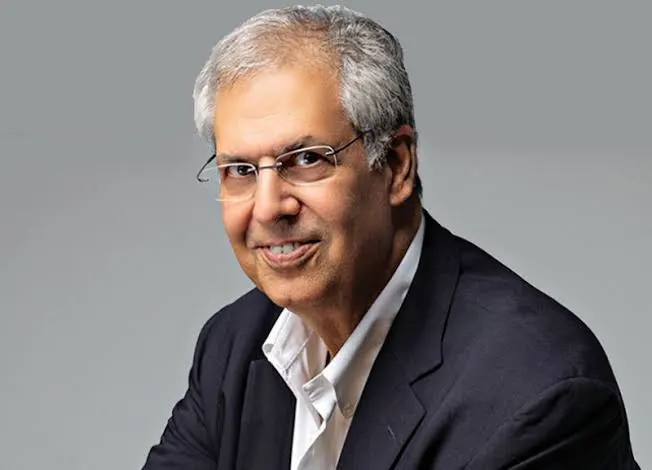
A year on, the world feels his void more sharply. Tata Group’s stability, once unshakeable under his gaze, has shown cracks. The immediate aftermath saw a smooth transition: Noel Tata, Ratan’s half-brother, appointed chairman of Tata Trusts on October 11, 2024, ensuring continuity. But by early 2025, infighting erupted over board seats and governance. A new policy requiring annual reappointment of Tata Sons nominees sparked a showdown, with trustees like Venu Srinivasan clashing with Noel, leading to resignations and whispers of a “house divided.” By September 2025, the turmoil escalated, prompting government intervention. On October 8, 2025 – eve of the anniversary – Noel Tata met Union Home Minister Amit Shah in Delhi, where officials urged “restoring stability” to the “too big to fail” conglomerate, as per reports from the Economic Times. The Trusts, holding stakes in TCS and other jewels worth Rs 10 lakh crore, face scrutiny over succession, with calls for a family charter to prevent future rifts.
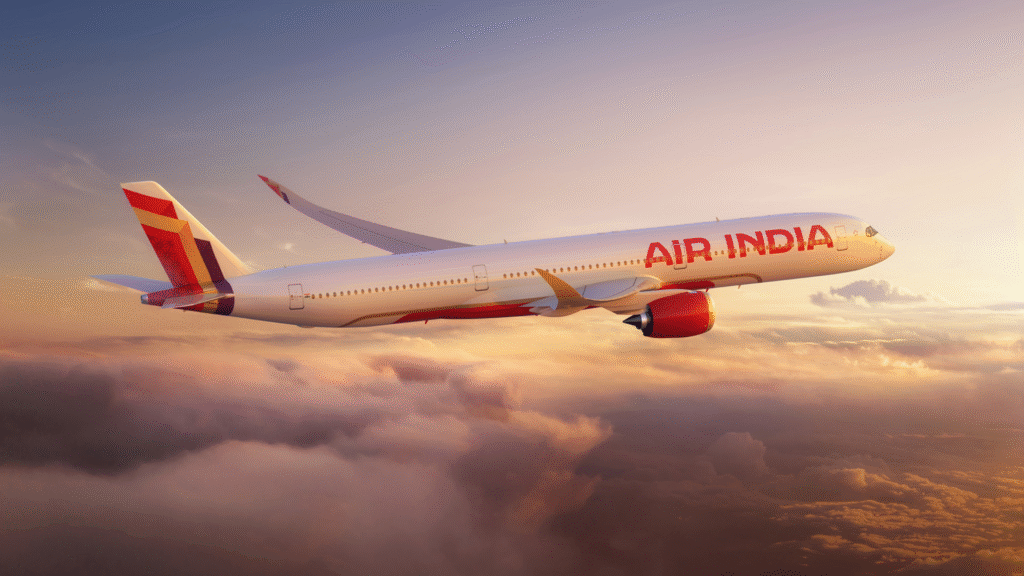
Business-wise, the group pressed on with resilience. Air India, under Tata since 2022, merged with Vistara in November 2024, creating a 30% market share giant and adding 4,000 jobs, many in Hyderabad for diverse hires including J&K migrants. Tata Motors rolled out the Harrier EV in March 2025, boosting exports to 50 countries and creating 5,000 green jobs in Sanand. TCS, the cash cow, hit $30 billion revenue in Q2 2025, funding philanthropy like Rs 500 crore for cancer research at Tata Memorial. Yet, challenges loomed: A July 2025 cyberattack on Tata Steel disrupted UK operations, costing Rs 200 crore, and labor unrest at JLR over EV transitions led to a 10-day strike in Coventry, resolved with wage hikes.
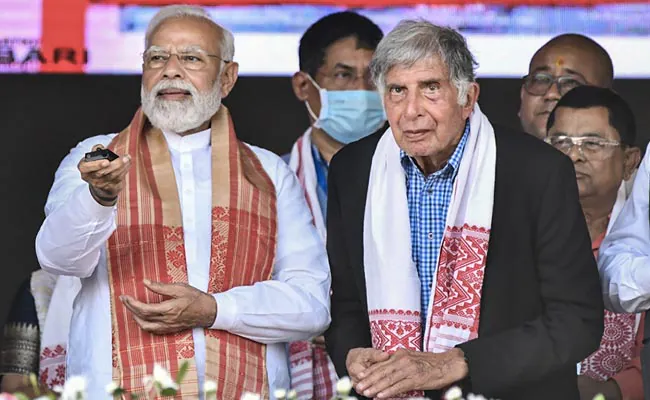
Tributes poured in today, underscoring his enduring pull. Prime Minister Narendra Modi called him “a visionary whose life was a testament to compassion,” while industrialists like Mukesh Ambani shared anecdotes of his mentorship. In Mumbai, 10,000 gathered at the National Centre for the Performing Arts for a memorial lecture, streamed to 5 million online. Calls for the Bharat Ratna grew louder, with over 1 lakh signatures on a Change.org petition by evening. In J&K, where Tata’s aviation ties boosted tourism post-Article 370, local leaders like Omar Abdullah tweeted: “Ratan Tata built bridges beyond business; his ethics guide our youth.” Community events in Jammu’s Raghunath Temple area blended Parsi-inspired prayers with Dogri folk tributes, drawing 300 from Hindu, Muslim, and Sikh families.
What has this year revealed? Tata’s absence exposed the human fragility behind corporate giants – a reminder that even titans leave voids. Yet, his blueprint endures: ethical capitalism, where profits fund progress. For us in Jammu, navigating floods and frontiers, Ratan’s story – from Cornell corridors to Nano streets – urges quiet resolve. As Noel steers through storms, the group must honor the man who valued people over balance sheets. In his words: “The day I’m gone, the world will be a better place.” Today, we say no – it’s dimmer without you. Let’s carry his light forward, one ethical step at a time.