
JAMMU, September 11, 2025
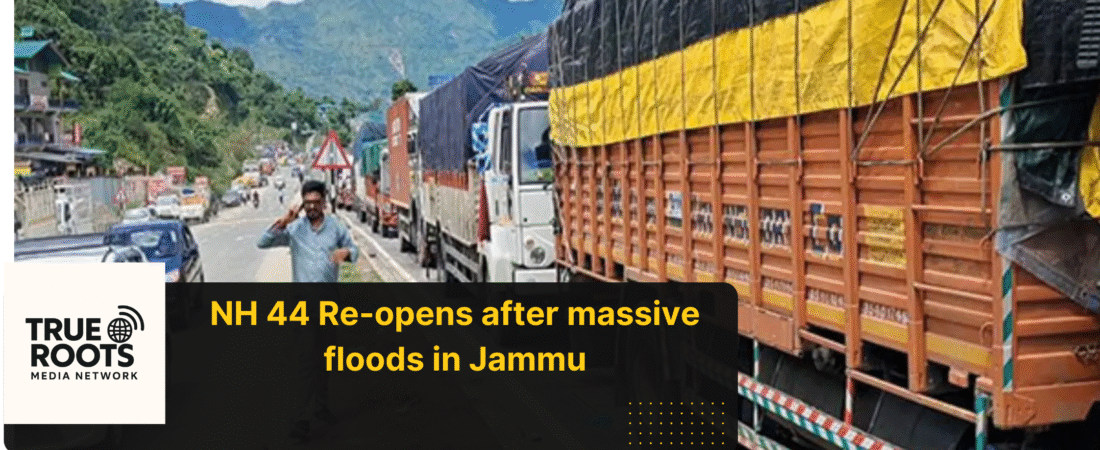
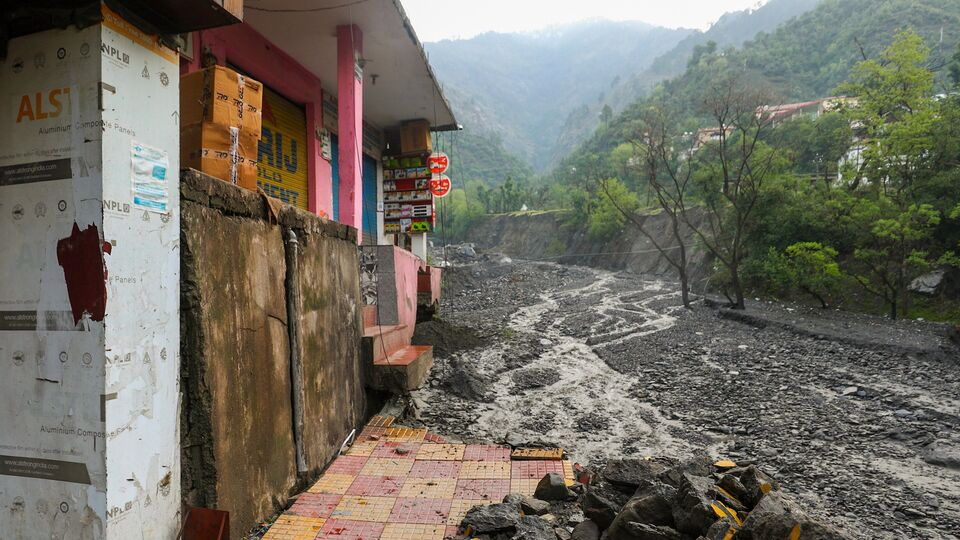
After a harrowing nine-day closure that stranded over 4,000 vehicles and inflicted massive economic blows on Jammu and Kashmir’s vital fruit sector, the Jammu-Srinagar National Highway (NH-44) has finally reopened for vehicular traffic, bringing much-needed relief to commuters, traders, and residents cut off from essential supplies. The 270-kilometer lifeline, the only all-weather road connecting the Kashmir Valley to the rest of India, succumbed to relentless heavy rains, flash floods, and landslides since August 26, with a brief reopening on August 30 quickly reversed by further damage. Today marks a turning point as light motor vehicles (LMVs) and stranded trucks carrying perishable essentials like vegetables, poultry, and meat resume movement, though full heavy motor vehicle (HMV) access, prioritizing fruit-laden trucks, is slated for tomorrow. This reopening comes amid widespread infrastructure damage across the Union Territory, where nearly 12,000 kilometers of roads have been ravaged, underscoring the urgent need for resilient alternatives in a region prone to such calamities.
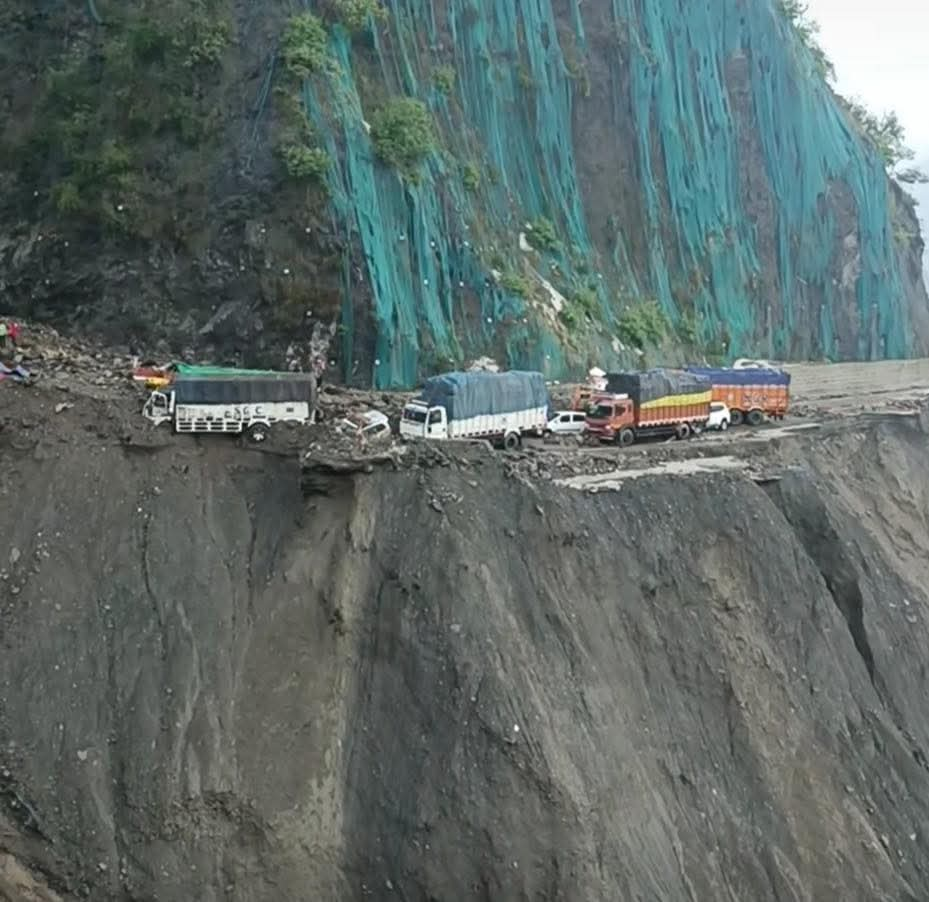
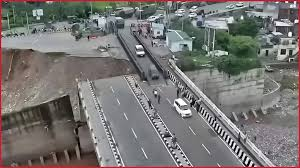
The highway’s ordeal began with multiple blockades triggered by torrential downpours, culminating in a massive landslide on September 2 near Thard-Jakheni in Udhampur district, which measured about 550 x 300 meters and buried the road under tons of debris. National Highways Authority of India (NHAI) officials, working around the clock despite intermittent rains and mudslides, constructed a 300-meter diversion road starting September 7, enabling today’s partial restoration. “From the very night of the incident, NHAI teams and hundreds of workers labored tirelessly through rains and disruptions to clear the path,” an NHAI spokesperson highlighted, noting the stretch’s notoriety as one of the most challenging due to its geological vulnerabilities. Traffic is now flowing smoothly, with authorities focusing on clearing the backlog of stranded vehicles, particularly those bound for the Kashmir Valley, Doda, and Kishtwar districts.
The Human and Economic Toll: Stranded Vehicles and Rotting Produce
The prolonged shutdown stranded over 4,000 vehicles across Kathua, Samba, Jammu, Udhampur, Ramban, the Kashmir Valley, and even Punjab, leading to acute shortages of fuel, LPG, vegetables, and other essentials. Among the hardest hit were over 1,000 fruit trucks laden with Kashmir’s prized apples, pears, and other produce, worth crores of rupees. The Kashmir fruit industry, which employs 70% of the Valley’s population and contributes thousands of crores to the economy annually, faced staggering losses estimated at ₹200-700 crore as perishable goods like Bagogosha pears, Gala apples, and Red Ghala varieties rotted in orchards and on roadsides. Traders in Sopore fruit mandi – Asia’s second-largest – suspended operations for two days (September 9-10), urging growers to delay harvests until connectivity normalized. “Hundreds of trucks returned with spoiled loads; this isn’t just a loss of money but livelihoods for lakhs of families,” said Bashir Ahmad Bashir, Chairman of the Kashmir Valley Fruit Growers and Dealers Association.
Growers in key regions like Sopore, Shopian, Pulwama, and Baramulla decried the crisis, with early-season pears particularly vulnerable. The Kashmir Chamber of Commerce and Industry (KCCI) and associations like the Jammu and Kashmir Fruits & Vegetable Processing & Integrated Cold Chain Association (JKPICCA) appealed to Chief Minister Omar Abdullah for intervention, including dedicated cargo trains to bypass highway uncertainties. Former Chief Minister Mehbooba Mufti echoed this, urging the Centre to operationalize freight rail services between Kashmir and major cities like Delhi to safeguard future seasons. As two railway parcel vans were deployed to transport Kashmir’s fruits to Jammu and Delhi, the incident highlights the fragility of reliance on a single route, especially during peak harvest when delays can wipe out entire yields.
Broader Infrastructure Catastrophe: 12,000 Km of Roads Damaged
The floods and landslides have wrought havoc beyond NH-44, damaging nearly 12,000 kilometers of roads across Jammu and Kashmir – a scale that demands massive rehabilitation efforts. In Kathua district alone, 1,200 houses were partially or fully damaged, with relief operations underway. Ramban saw 283 houses affected and 950 people evacuated, while flash floods in Doda and Kishtwar injured workers at power projects and washed away sections of roads like Batote-Doda-Kishtwar, which remains closed. The overall disaster claimed at least 40 lives region-wide, including pilgrims en route to Vaishno Devi, where the yatra has been suspended for 16 days. Rivers like Jhelum and Chenab swelled above danger levels, breaching embankments and flooding urban pockets, displacing thousands and disrupting power, water, and telecom networks.
Restoration extends to other key routes: The Kishtwar-Sinthan-Anantnag and Srinagar-Sonamarg-Gumri (SSG) roads reopened today after landslides near Rusool Mode in the Zojila belt were cleared. Mughal Road, linking Poonch to Shopian, is operational for smooth traffic, serving as a vital alternate. However, challenges persist, with NHAI estimating months for full NH-44 restoration despite war-footing efforts. Union Minister Dr. Jitendra Singh noted the highway’s expected reopening within days as of September 7, crediting round-the-clock work. An inter-ministerial central team, including officials from Road Transport, Power, Rural Development, and Finance Ministries, is assessing damages to facilitate comprehensive relief, following Home Minister Amit Shah’s visit and announcements of ₹209 crore in immediate aid.
Voices from the Ground: Relief Mixed with Calls for Long-Term Solutions
For drivers like Rajesh Kumar, a trucker from Punjab hauling vegetables, the reopening is a “lifesaver” after days of uncertainty. “We’ve been parked here since the floods; essentials are spoiling, and families back home are worried,” he shared. Fruit grower Fayaz Ahmad Malik from Sopore added, “The industry can’t survive another blockade – we need rail links and better road engineering to prevent this annual nightmare.” Chief Minister Omar Abdullah, inspecting flood-hit areas, emphasized equitable relief and urged the Centre for a robust package, double that of 2014’s floods. With IMD forecasting above-normal September rainfall and risks of further landslides, authorities warn of flash floods in vulnerable zones, advising against non-essential travel.
This reopening not only restores connectivity but also signals hope for economic recovery in a region where horticulture and tourism are lifelines. Yet, as Jammu and Kashmir rebuilds, the crisis amplifies demands for sustainable infrastructure, including the Z-Morh tunnel and enhanced rail freight, to shield against nature’s fury.
Know a Local Hero or Community Effort in Flood Recovery?
Have a story about someone in Jammu and Kashmir leading restoration, aiding stranded families, or innovating for the fruit industry amid these challenges? Share their journey with us at info@truerootsmedia.com, and we’ll feature them in our upcoming stories to inspire resilience and unity.