
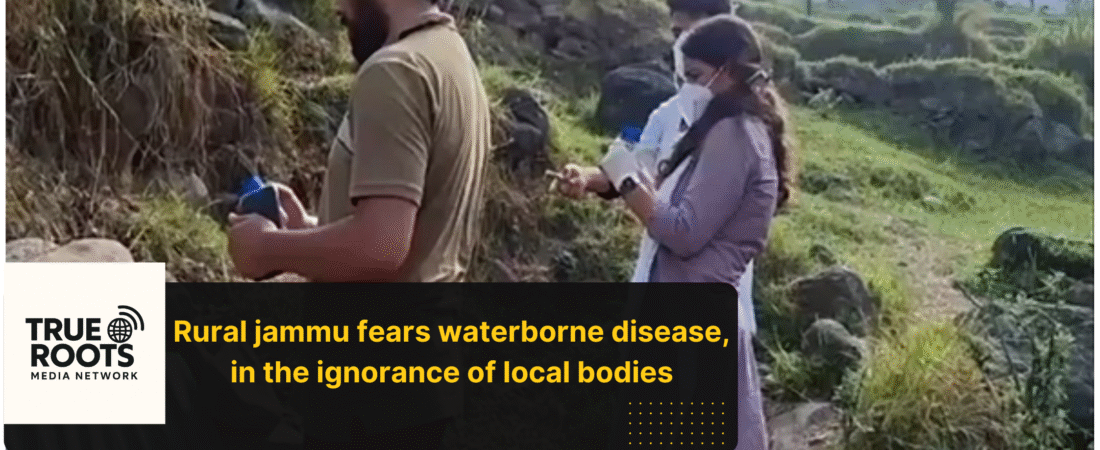
Amid the misty mornings of rural Jammu’s Udhampur and Kishtwar districts, a quieter catastrophe unfolds in the wake of the floods: a surge in waterborne illnesses that the local health apparatus has largely overlooked. Stagnant pools from the August deluge, laced with silt and sewage, have become breeding grounds for pathogens, triggering waves of gastrointestinal ailments and vector-borne threats like dengue and malaria. In remote hamlets near the Tawi’s banks, families like that of Leela Devi report sleepless nights tending to feverish children, their only recourse herbal remedies since the promised medical outreach never materialized. “The water we drink is murky; my grandson has been sick for days, but the health worker hasn’t visited in weeks,” Leela shares from her thatched home in a flood-scarred village, where wells remain contaminated despite the rains’ retreat.
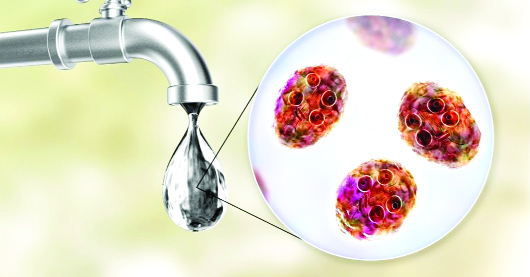
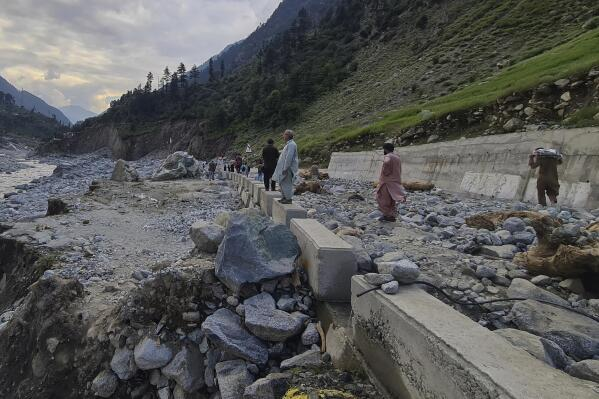
The floods’ health ripple effects are profound, affecting thousands in Jammu’s underserved countryside. Contaminated sources have led to informal reports of over 5,000 cases of diarrhea and skin infections, particularly among women and children who bear the burden of fetching water from distant, unsafe spots. Yet, the Jammu administration’s response has been tepid at best. Chief Secretary Atal Dulloo’s September 3 directive for awareness drives and camps rings hollow in rural interiors, where understaffed primary health centers (PHCs) struggle with basic supplies. Mobile units, touted as a cornerstone of relief, cluster around urban peripheries like Jammu city, leaving hilly tehsils to fend for themselves. A September 10 community health survey in Reasi revealed that 70% of rural households lack access to chlorinated water, a direct fallout from unrepaired distribution lines.
This oversight stems from a deeper malaise: the administration’s fixation on visible crises over preventive care. While high-profile camps at Keso Manhasan drew crowds, remote areas like those in Poonch see sporadic visits—if any. Corruption whispers abound, with aid medicines allegedly diverted to private clinics, as highlighted in local forums. The Health Department’s allocation from the ₹209 crore package prioritizes urban hospitals, sidelining rural PHCs that serve 60% of the population. Women’s self-help groups step in with basic first aid, but without official backing, their reach is limited. The irony is stark: BSF’s September 13 medical camp in Mangu Chak treated 143 patients, filling the void left by state machinery.
For vulnerable groups, the consequences are dire. Pregnant women in Rajouri face heightened risks from delayed check-ups, and the elderly succumb to dehydration without timely intervention. Education suffers too, as ill children miss classes in damaged schools. The IMD’s lingering shower alerts amplify fears of renewed outbreaks. This isn’t mere oversight—it’s a failure of duty that endangers lives. Jammu’s rural health ecosystem demands immediate audits, dedicated rural teams, and transparent aid distribution. Officials must descend from their offices to these forgotten fronts, or the floods’ true toll will be measured in lives lost to neglect, not just water.