
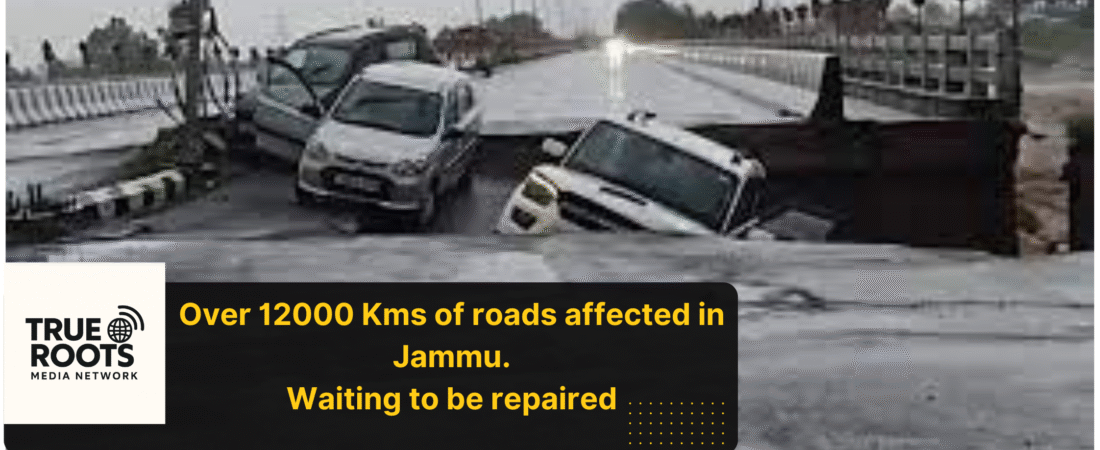
Deep in the undulating terrain of rural Jammu, where the Chenab River’s tributaries carve through forgotten hamlets, the August floods have left a legacy of severed connections that the local administration seems determined to ignore. Take the villages along the Poonch-Rajouri belt: the collapse of the key bridge over the Roman nallah near Mendhar has turned daily commutes into perilous odysseys. What was once a 20-minute drive to the nearest market now demands hours of treacherous foot treks across slippery boulders or improvised rope ladders strung by desperate locals. For farmers in these isolated pockets, the fallout is devastating—their maize and paddy harvests, already battered by waterlogging, now spoil on the vine because trucks can’t reach collection points. “We harvest at dawn, but by noon, the produce is worthless. The district collector visited once for photos; since then, nothing,” recounts Hari Singh, a 55-year-old cultivator from a remote Rajouri outpost, his fields still mud-choked from the deluge that dumped 150% more rain than average.
This isn’t hyperbole; it’s the stark reality for over 50,000 residents in Jammu’s peripheral tehsils, where 12,000 kilometers of roadways were ravaged, including dozens of vital spans. The floods, peaking on August 26 with cloudbursts that swelled rivers overnight, didn’t just wash away structures—they erased livelihoods. In Reasi’s hilly enclaves, the damaged Kijpora bridge has halted ambulance services, forcing pregnant women and the elderly to endure bumpy detours on narrow, unpaved paths that crumble underfoot. A recent incident in Udhampur saw a family lose a relative to delayed medical aid, a tragedy that could have been averted with prompt reconstruction. Yet, the Jammu and Kashmir Public Works Department (PWD), under the oversight of the local administration, has prioritized urban thoroughfares like the Jammu-Pathankot highway’s Logate Morh section, leaving rural crossings in limbo.
The indifference runs deeper than delays; it’s systemic. Despite Union Home Minister Amit Shah’s September 2 assurance of comprehensive restoration, the ₹209 crore central aid package has barely touched rural priorities.
Deputy Chief Minister Surinder Kumar Choudhary’s calls for enhanced funding echo in empty halls, while the Jammu Municipal Corporation (JMC) idles on its ₹26 crore CAPEX allocation for infrastructure—funds that could rebuild these lifelines but languish in bureaucratic red tape. Reports from the ground, including a September 9 assessment by the inter-ministerial team, highlight how urban bias skews efforts: while Jammu city’s drains get cleared, rural nallahs overflow with debris, breeding hazards for the next rain. Political distractions compound the mess—in Doda, resources are funneled into managing protests over the AAP MLA’s detention rather than deploying engineers to remote sites.
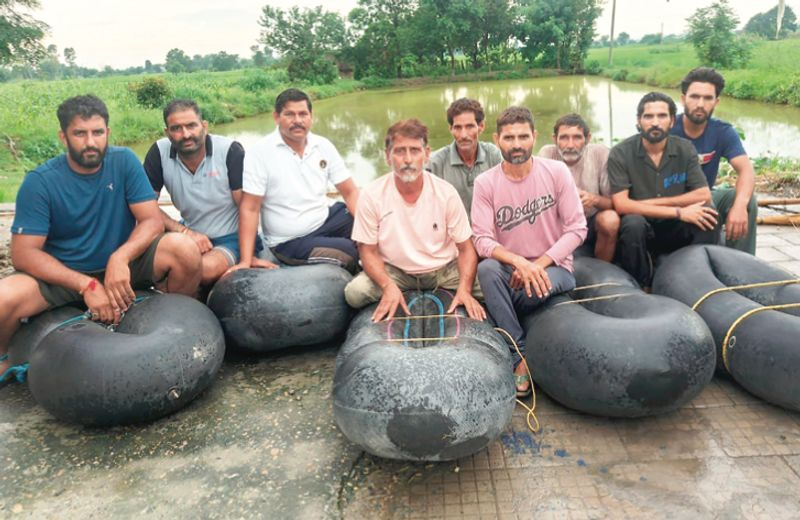
Villagers aren’t passive; they’ve formed informal committees to clear debris manually, but without machinery or funding, it’s futile. In Akhnoor, where the floods submerged bunkers from past conflicts, locals now manually drain water from these relics, a grim reminder of layered vulnerabilities. The economic toll is immense: small traders lose markets, children miss school buses, and healthcare access plummets, with mobile units rarely venturing beyond main roads. This neglect isn’t accidental—it’s a choice that marginalizes Jammu’s rural majority, who contribute to the region’s agricultural backbone yet receive crumbs from the relief table. As monsoon threats linger, with IMD forecasting isolated showers, the administration’s complacency borders on recklessness. It’s time for accountability: dispatch dedicated rural task forces, audit fund utilization, and prioritize these bridges before another season of isolation sets in.
Rural Jammu’s voices must pierce the capital’s corridors—before the rivers rise again, unbridged and unchecked.