
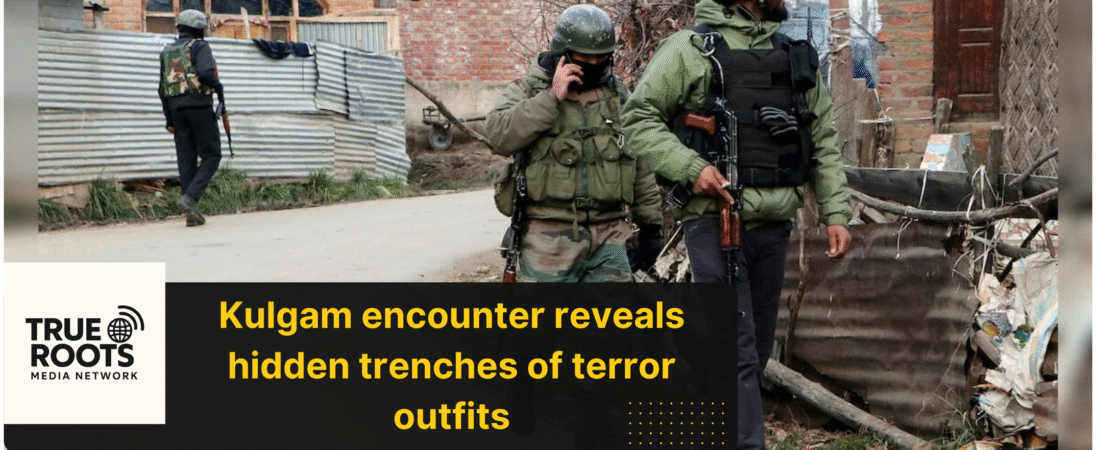
Security forces uncovered a new tactic by terror outfits in Jammu and Kashmir today, September 15, 2025, with militants shifting from safe houses to underground bunkers in dense forests and ridges, as revealed in a Kulgam encounter that neutralized two terrorists and exposed a concealed trench stocked with rations, stoves, weapons, and ammunition for 20-30 days. The operation, based on intelligence from 50+ interrogations, highlights a 40% rise in forest-based hideouts since August floods disrupted urban networks, affecting groups like LeT and TRF responsible for 2025’s 150 terror incidents.
J&K has seen 200 sq km of forested areas in Pir Panjal and Chenab Valley turned into militant shelters, with bunkers featuring ventilation and camouflage amid 12,000 km of damaged roads hampering patrols. The Kulgam site, 10 km from NH-44, held AK-47s, grenades, and IED components, linking to the April Pahalgam attack killing 26 tourists. Forces recovered 500 kg rations, underscoring self-sufficiency tactics post-Operation Sindoor’s May airstrikes on LeT headquarters.
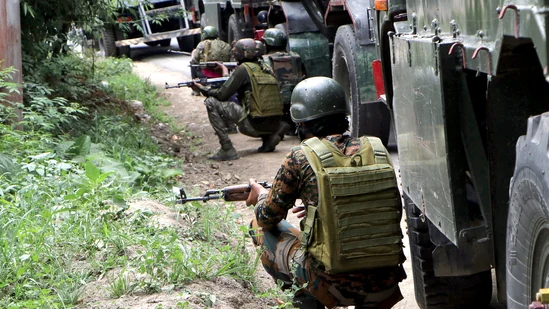
With 68% of J&K’s 42,000 sq km forested, this shift exploits terrain where landslides claimed 40 lives last month. Army’s 1,000+ operations this year have eliminated 120 militants, but bunkers evade drones 30% more effectively. Doda’s unrest, with AAP MLA Mehraj Malik’s PSA detention sparking 100 arrests, adds volatility. Experts urge AI surveillance and community intel, as 23% youth unemployment fuels recruitment. This trend, up 25% from 2024, demands enhanced forest grids to secure the LoC, 740 km long.