
Jammu, October 10, 2025
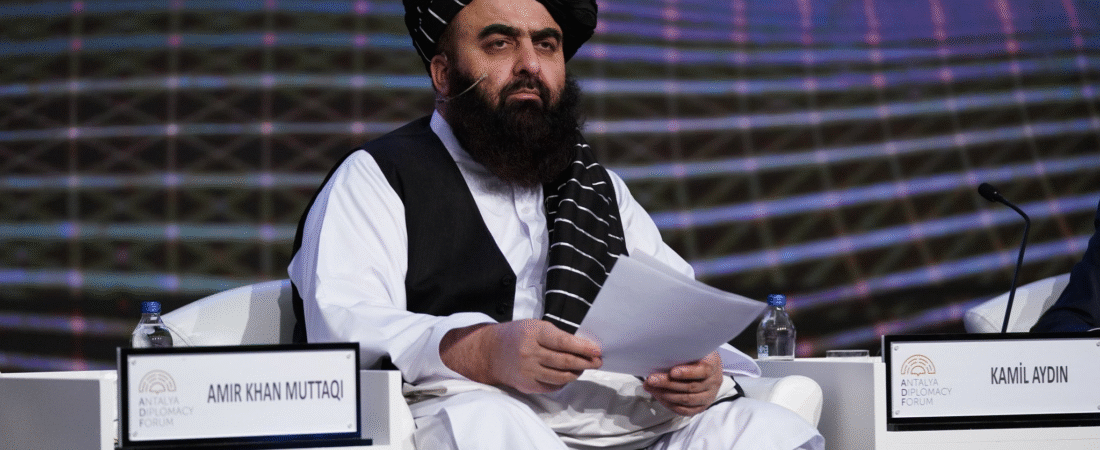
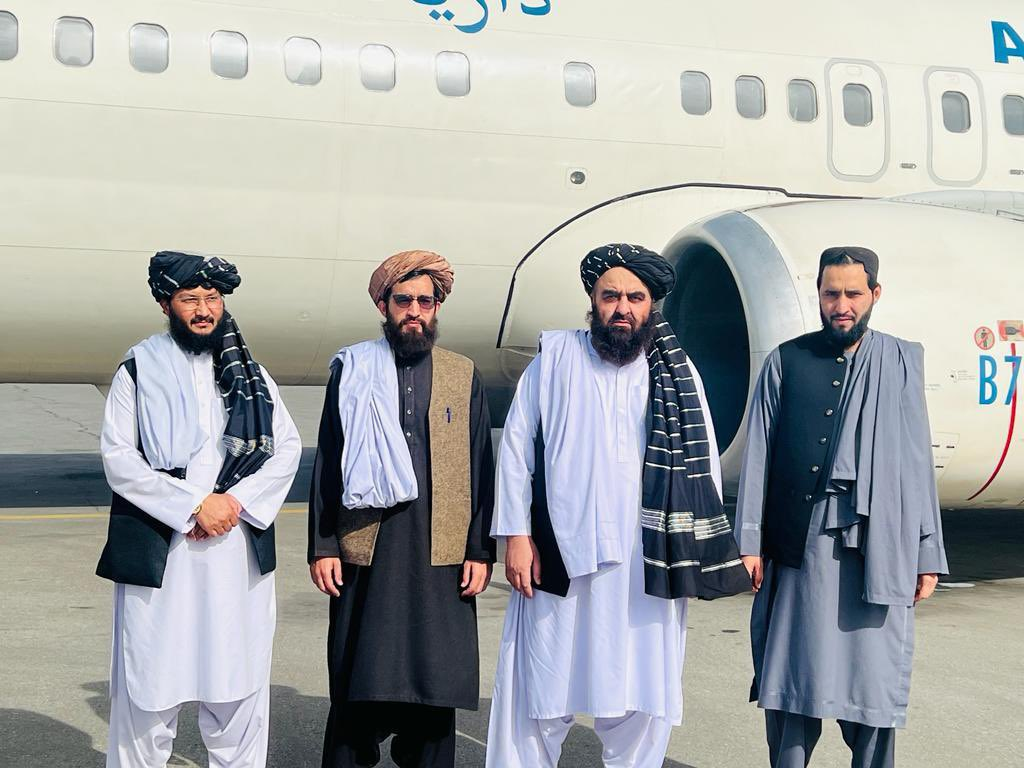
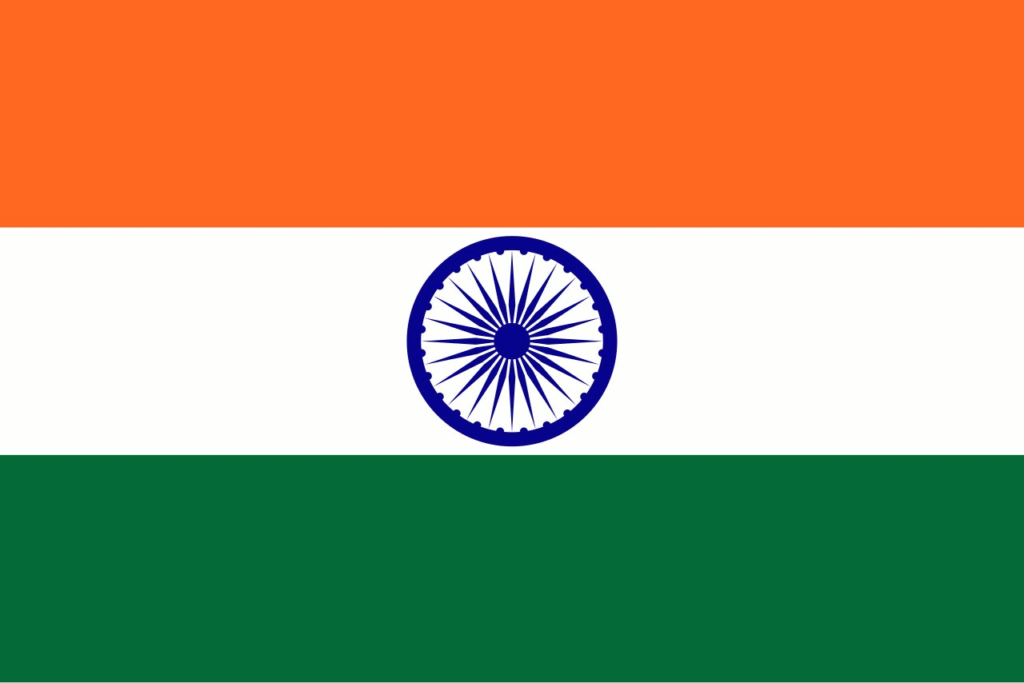
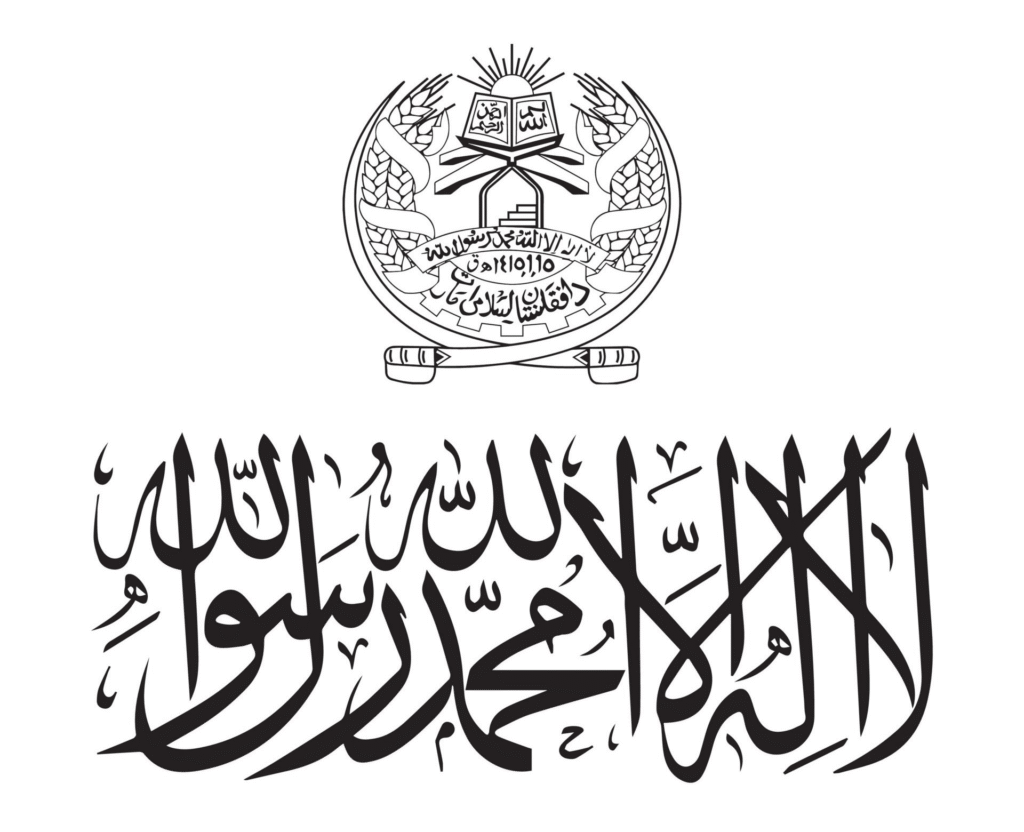
When Mawlawi Amir Khan Muttaqi, Afghanistan’s de facto foreign minister under the Taliban, touched down in New Delhi yesterday afternoon, it wasn’t just another diplomatic hopscotch. It was the first time since August 2021 – when Taliban fighters stormed Kabul and the last U.S. troops fled in chaos – that a top Taliban figure has set foot on Indian soil. Granted a UN travel waiver to bypass sanctions, Muttaqi’s week-long stay (October 9-16) sets the stage for meetings with External Affairs Minister S. Jaishankar and National Security Advisor Ajit Doval. But as South Block gears up, a seemingly trivial detail underscores the high-wire act: what flag flies beside the Indian tricolor during photo ops? India, steadfast in not recognizing the Taliban regime, refuses to accord official status to their stark white banner emblazoned with the Shahada. The Afghan embassy here still hoists the old Islamic Republic’s flag from Ashraf Ghani’s era. Past encounters, like Foreign Secretary Vikram Misri’s May chat with Muttaqi in Dubai, dodged the issue by skipping flags altogether. This time, in Delhi’s protocol-driven halls, it’s a quiet standoff – a symbol of India’s pragmatic dance with a pariah it can’t ignore.
For us in Jammu, this visit isn’t abstract geopolitics; it’s a thread woven into our region’s scarred tapestry. Nestled against the Line of Control, Jammu has long felt Afghanistan’s tremors through the prism of Pakistan-occupied Kashmir (PoK). Historically, pre-1947, undivided Jammu and Kashmir shared cultural and trade links with Kabul – think the grand caravans of pashmina wool from Ladakh’s Changthang to Afghan markets, or the shared Sufi strains in our qawwalis and their qatras. Maharaja Hari Singh’s 1930s diplomatic overtures with Afghan kings sought buffers against tribal raids, a foresight that crumbled with Partition’s bloodlines. Fast-forward to the 1980s Soviet invasion: Afghan mujahideen, armed by the U.S. and Pakistan, spilled into Kashmir’s militancy, birthing groups like Lashkar-e-Taiba that still haunt our borders. The 1999 Kargil war? Afghan mercenaries swelled Pakistani ranks, turning our Pir Panjal heights into killing fields. Today, as Muttaqi lands amid PoK’s simmering protests – where nine died in clashes last week – Jammu watches warily. The Taliban’s grip on Kabul has emboldened cross-border handlers, with a 25% spike in infiltration bids along our LoC this year, per Army data.
The Pahalgam attack in April 2024, which claimed 26 lives including tourists from Jammu’s own families, crystallized the stakes. Taliban officials condemned it via phone with Jaishankar on May 15, a rare nod that thawed ice slightly. But words ring hollow when Afghan soil festers as a terror nursery. India, ever the realist, insists on “no safe havens” – a red line etched in yesterday’s joint statement with Russia, China, and seven others, opposing foreign military bases in Afghanistan. Trump’s recent overtures for Bagram airbase handover? A red flag for Delhi, fearing U.S. re-engagement could destabilize our western flank. For Jammu’s border folk – the Gujjar herders in Rajouri dodging drone shadows, the apple growers in Shopian losing harvests to delayed NH-44 convoys – Muttaqi’s visit is a litmus test. Will it yield quieter LoCs, or just more rhetoric? Trade whispers tempt: Chabahar port, India’s Iran gateway, could funnel Afghan dry fruits and minerals to our markets, boosting 5,000 jobs in Kathua’s processing units. Yet, without Taliban curbs on groups like Jaish-e-Mohammed, it’s a gamble.
Locally, the flag dilemma mirrors our own identity tussles. Just as Delhi grapples with symbols of recognition, Jammu navigates its post-370 limbo – statehood pleas echoing in the Supreme Court today, where CJI Chandrachud’s bench heard arguments on restoring Article 370. It’s no coincidence: Afghanistan’s chaos post-U.S. pullout parallels our fears of federal overreach. In 2019, when 370 was snapped, Jammu’s streets saw both cheers (from BJP backers eyeing integration) and tears (from NC loyalists mourning autonomy). Today, as Muttaqi chats in Delhi, our traders in Raghunath Bazaar haggle over imported Afghan carpets, wondering if thawed ties mean safer supply chains or spiked terror risks. A Sikh autorickshaw driver from Janipur, Baldev Singh, 55, shared over morning chai near the Tawi bridge: “Taliban or not, if it stops bullets crossing from PoK, I’m all for talks. But my son’s in the Army – no compromises on security.” Muslim women from Akhnoor, rebuilding flood-ravaged homes (over 200 hit in August), voice similar pragmatism: “Aid from India helped our schools; let’s build on that, not bombs.”
Looking ahead, this visit could pivot regional dynamics. If Muttaqi pushes for an Afghan envoy in Delhi – as hinted in January talks where Taliban called India an “important” power – it signals Kabul’s economic pivot from Pakistan’s faltering CPEC. For Jammu, future trade corridors via Iran could slash logistics costs for our pashmina exports, creating 10,000 jobs by 2030, per FICCI estimates. But historic precedents warn: the 1996 Taliban takeover flooded PoK with arms, fueling 2002’s Nadimarg massacre here, where 36 Kashmiri Pandits died. Present unrest in PoK – 38 demands unmet, nine dead – risks spillover, as seen in yesterday’s SIA raids across seven J&K districts. Future? A stable Afghanistan could mean fewer refugees straining our border posts, more cultural exchanges like the 2023 Kabul-Jammu artisan fair that linked 500 weavers.
At True Roots Media, rooted in Jammu’s resilient soil, we see this not as Delhi’s game, but ours too. Muttaqi’s plain white flag may not fly here yet, but the conversations it sparks – on security, trade, shared histories – do.For our Dogra heartland, where rivers like the Chenab once flowed freely to the Indus and beyond, a peaceful Kabul means a safer tomorrow. The flag dilemma? It’s a start – symbols follow substance. In the end, as elders say over evening rotis, “Peace isn’t gifted; it’s guarded.” Let’s watch, engage, and advocate – for Jammu’s voice to echo in those Delhi halls.