
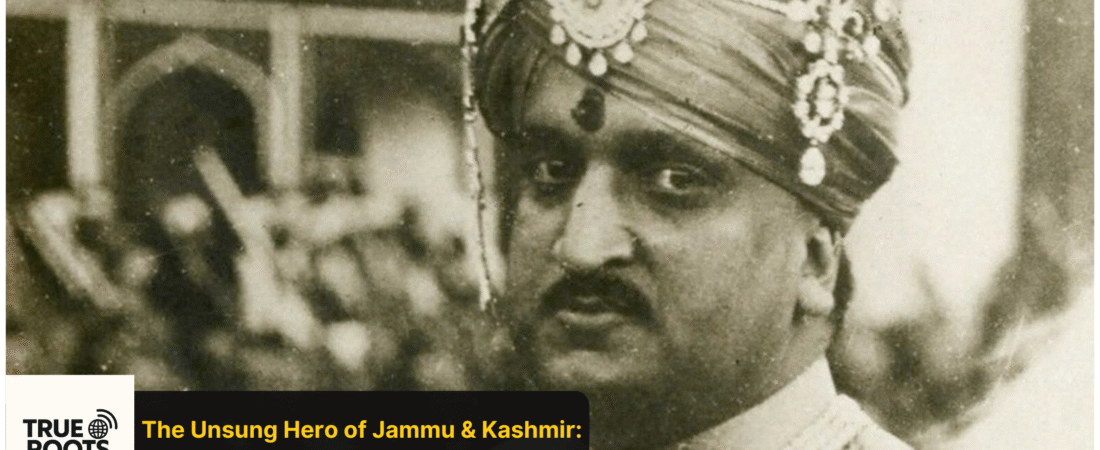
As Jammu takes a well-deserved pause on September 23, 2025, to celebrate Maharaja Hari Singh’s birth anniversary, it’s the perfect time to dive into the life of the last Dogra ruler who shaped Jammu & Kashmir’s destiny. This public holiday, marked by school closures and heartfelt tributes, isn’t just a day off—it’s a moment to reflect on a leader whose decisions echo in the region’s soul. From his bold reforms to his pivotal role in 1947, Hari Singh’s story is packed with intrigue and impact. So, grab a cup of chai, settle in, and let’s explore some trivia about this remarkable figure who put Jammu on the map. We’ve sprinkled in spots for images to bring his legacy to life, making this a visual treat for our readers at True Roots Media.
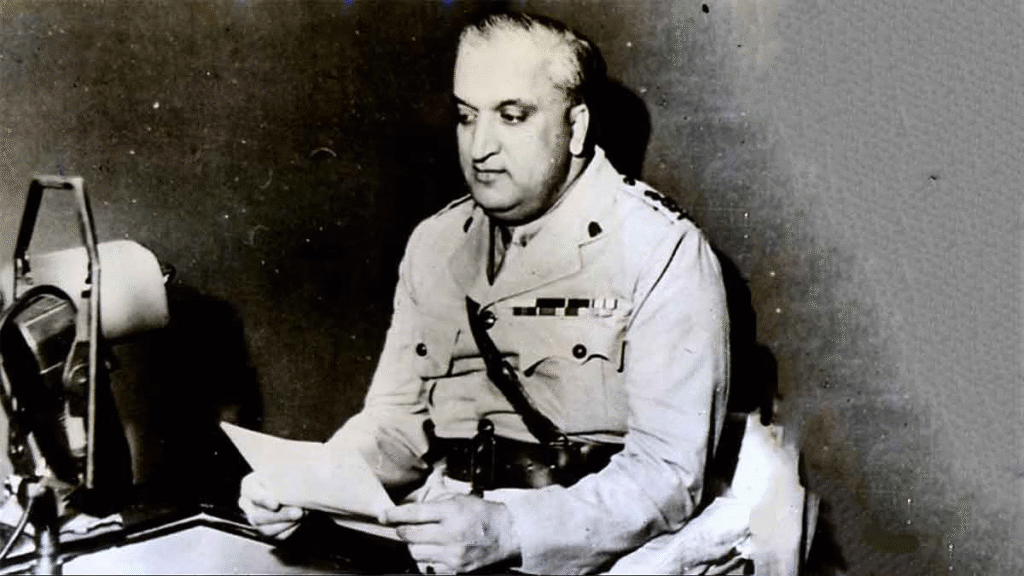
1. The Accession Architect: A Decision That Defined a Nation Hari Singh’s most famous moment came in October 1947 when he signed the Instrument of Accession, tying Jammu & Kashmir to India amid a tribal invasion backed by Pakistan. Did you know he hesitated for months, weighing independence against joining India or Pakistan? His final call, made under pressure as raiders closed in on Srinagar, ensured the state remained part of India. This wasn’t just a signature—it was a stand for unity that still shapes the region’s identity.
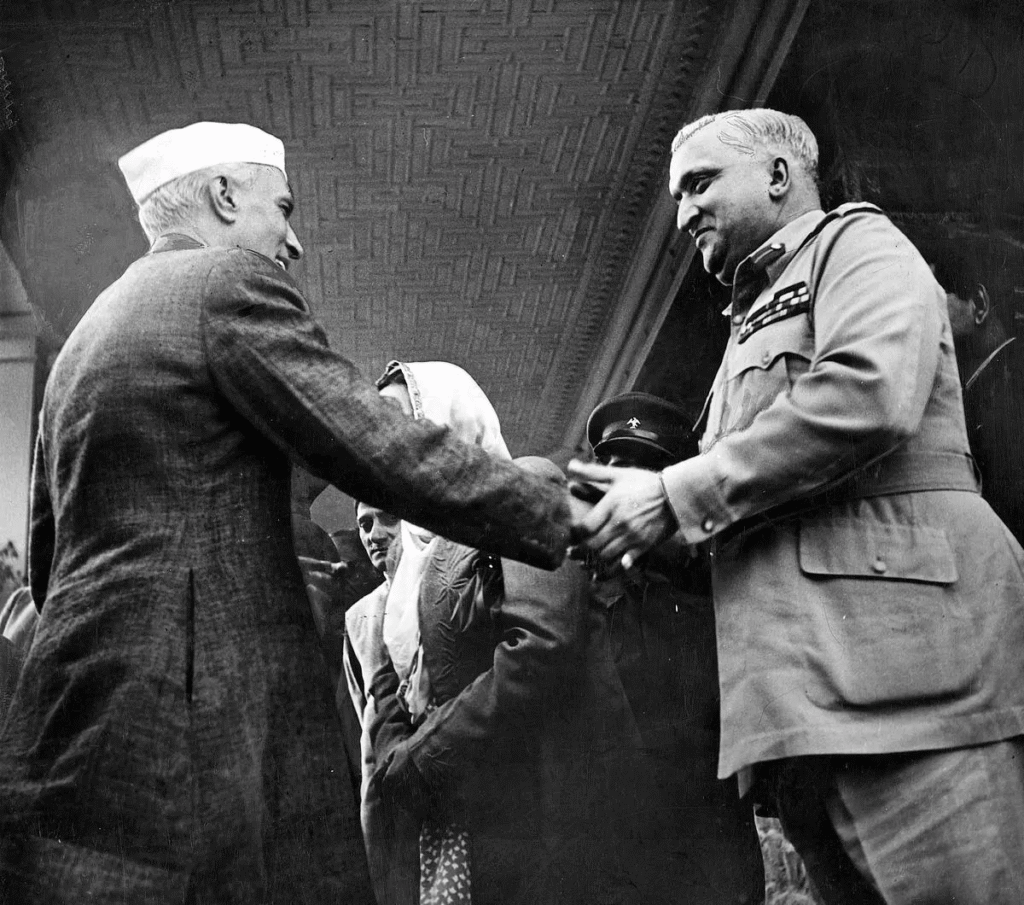
2. Education Trailblazer: Schools for All Hari Singh was a champion of learning, pushing education when it wasn’t a given for everyone. In the 1930s, he made primary education free and compulsory in Jammu & Kashmir, a bold move for the time. He founded schools across rural areas like Udhampur and Kathua, giving kids a shot at literacy. His push for women’s education was ahead of its time, opening doors for girls in a conservative era. By 1947, the state had over 1,200 schools, a legacy that laid the foundation for today’s learning hubs.
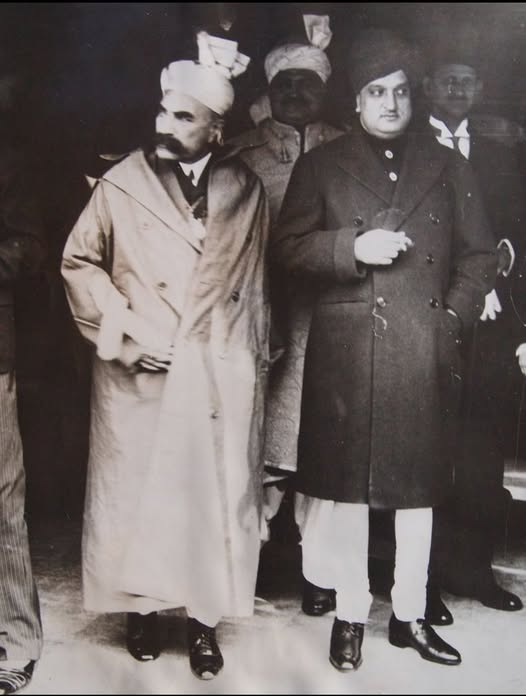
3. The Dogra Dynasty’s Last Star Born in 1895, Hari Singh was the last ruler of the Dogra dynasty, which governed Jammu & Kashmir for over a century. Trained at Mayo College in Ajmer, he was groomed for leadership with a mix of Indian and British education. Fun fact: he was knighted by King George V in 1918, earning the title “Sir” before becoming Maharaja in 1925. His rule blended tradition with progress, making him a bridge between old royalty and modern governance.
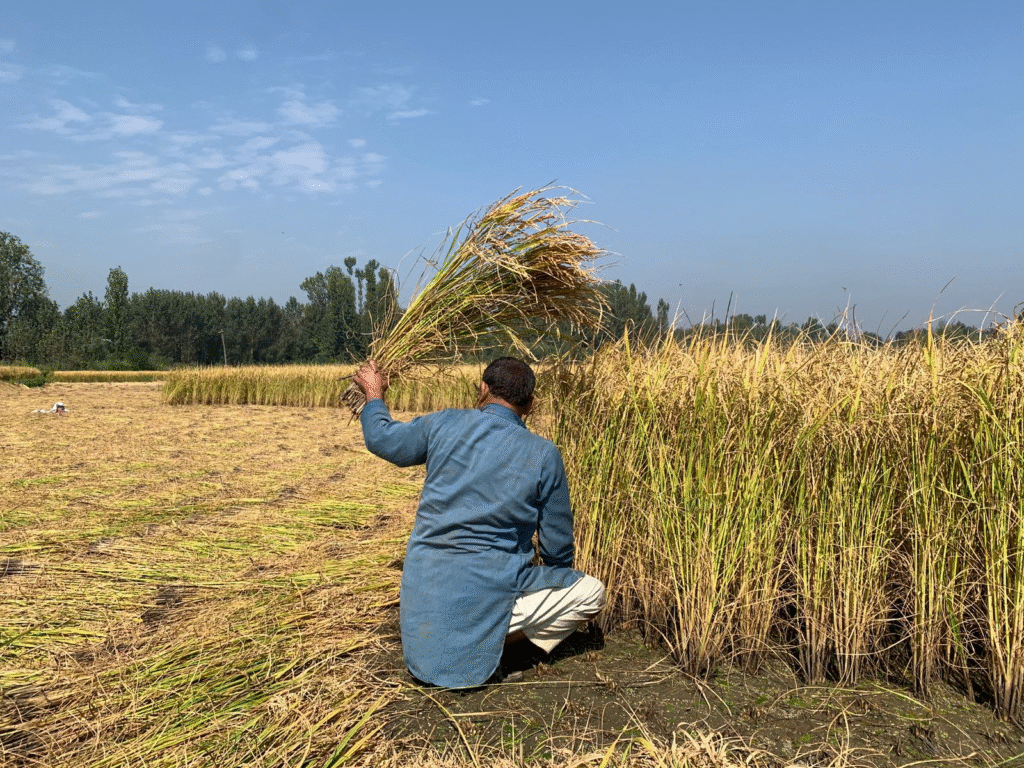
4. Land Reforms That Lifted the Poor Hari Singh wasn’t just about pomp—he cared about the land’s poorest. In the 1920s, he introduced land reforms that gave tenant farmers more rights, cutting down on exploitative landlords. His policies let farmers own small plots, boosting rural economies in places like Doda and Reasi. This move didn’t just win hearts; it strengthened the region’s backbone—its farmers. Today’s PMGSY roads owe a nod to his early focus on rural upliftment.
5. A Heart for Harmony: Religious Unity In a region rich with diversity, Hari Singh worked to keep peace among communities. He supported temples, mosques, and gurdwaras alike, ensuring festivals like Navratri and Eid were celebrated with equal respect. His court included advisors from different faiths, a rarity then. During his rule, he rebuilt the Martand Sun Temple’s surroundings and funded repairs for Srinagar’s mosques, showing a commitment to shared heritage that Jammu still cherishes.
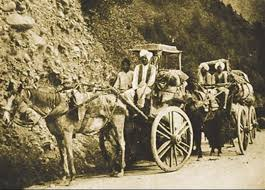
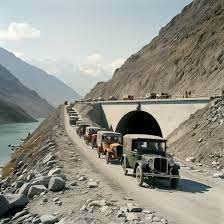
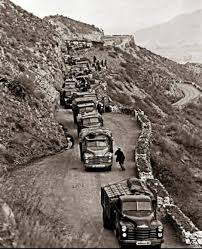
6. Infrastructure Innovator: Roads and More Hari Singh knew connectivity was key. He pushed for roads and bridges across Jammu’s tough terrain, linking remote villages to markets. The Banihal Cart Road, a lifeline to Srinagar, was upgraded under him, easing travel and trade. His vision for infrastructure helped Jammu grow as a hub, a legacy that resonates with today’s rail and road projects post-floods. Fun trivia: he loved cars and imported some of the first motor vehicles to the state, zipping around to inspect his projects!
7. The Exile Ending: A Quiet Farewell After 1947, Hari Singh’s life took a dramatic turn. He stepped down as ruler in 1949, handing power to his son, Karan Singh, and lived much of his later years in Bombay, away from the spotlight. He passed away in 1961, but not before seeing Jammu & Kashmir grow as part of India. His quiet exit didn’t dim his impact—today’s holiday shows how his memory burns bright in Jammu’s heart.
Why It Matters Today Maharaja Hari Singh’s legacy isn’t just history—it’s a guide for Jammu’s present. His focus on education, fairness, and unity speaks to the region’s current push for recovery after floods and growth under schemes like PMGSY. As we celebrate Navratri and honor his birthday, his story reminds us to bridge divides and build for tomorrow. may be closed, but the lessons of Hari Singh’s life are open for all. His reforms laid paths we still walk, from village schools to bustling markets. As we mark this day, let’s share his story with pride, especially the young ones who’ll carry it forward.
#Jammu #Hisotry