
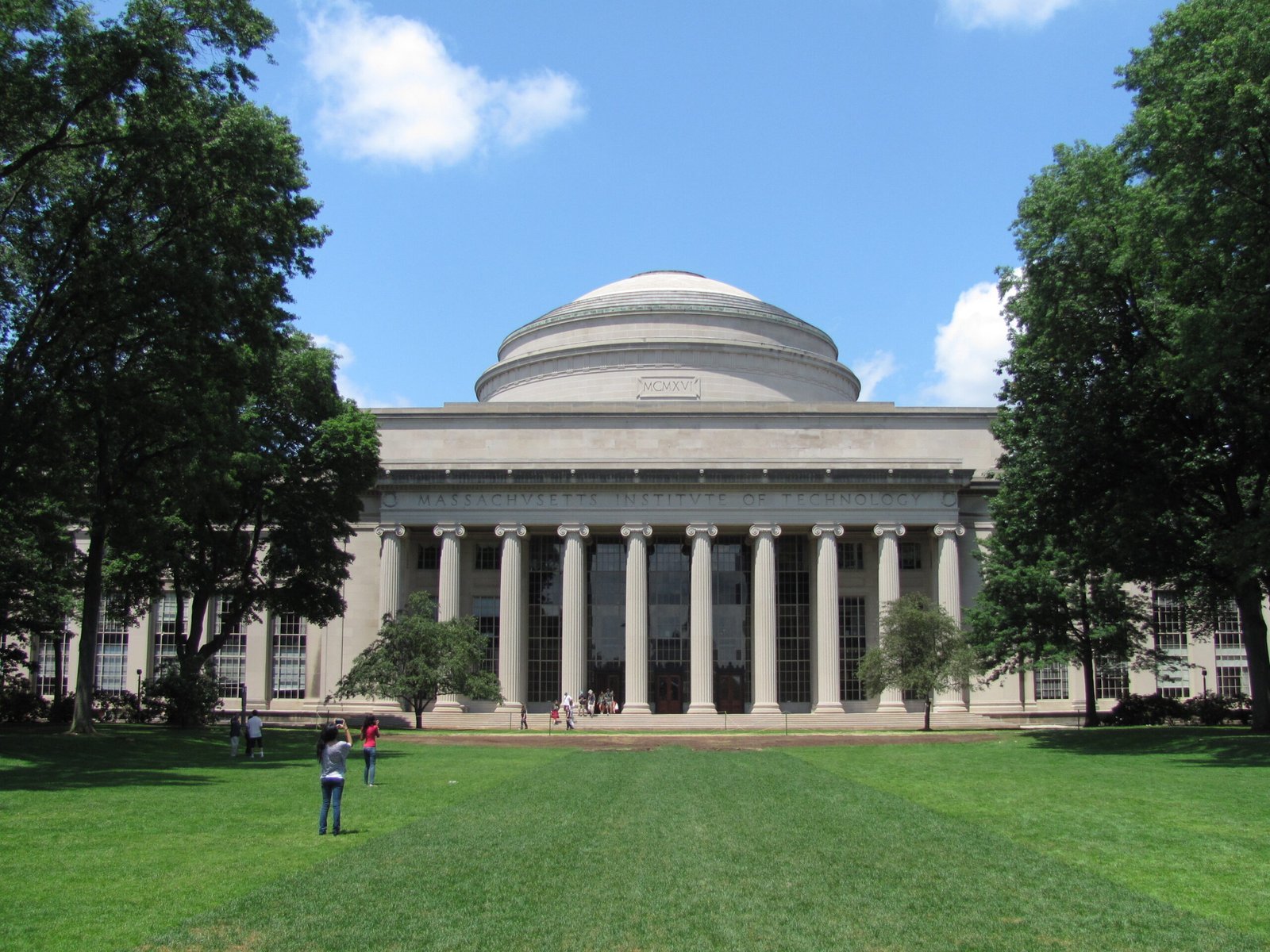
Boston – November 13, 2026: While the artificial intelligence industry continues to pour tens of billions of dollars into scaling large language models, a groundbreaking investigative study published by MIT Technology Review reveals that fundamental scientific discovery cannot be achieved through brute-force pattern matching alone.
Analyzing over 500 AI deployments across molecular biology, high-energy particle physics, and material science laboratories, the report details how contemporary deep learning systems frequently generate plausible-looking chemical formulations or physical simulations that collapse upon physical empirical testing due to a fundamental absence of causal reasoning.
Researchers from MIT and partner global institutions argue that scientific discovery inherently operates at the boundaries of human knowledge—where observational training data is sparse or non-existent. Consequently, relying on statistical correlation models inevitably leads to hallucinations when models are tasked with extrapolating beyond known regimes.
The report advocates for a pivotal architectural pivot toward neuro-symbolic and physics-informed neural networks that explicitly encode conservation laws, quantum mechanical principles, and formal causal inference into model weights, heralding a more rigorous, grounded second era of scientific artificial intelligence.
Published by True Roots Media