
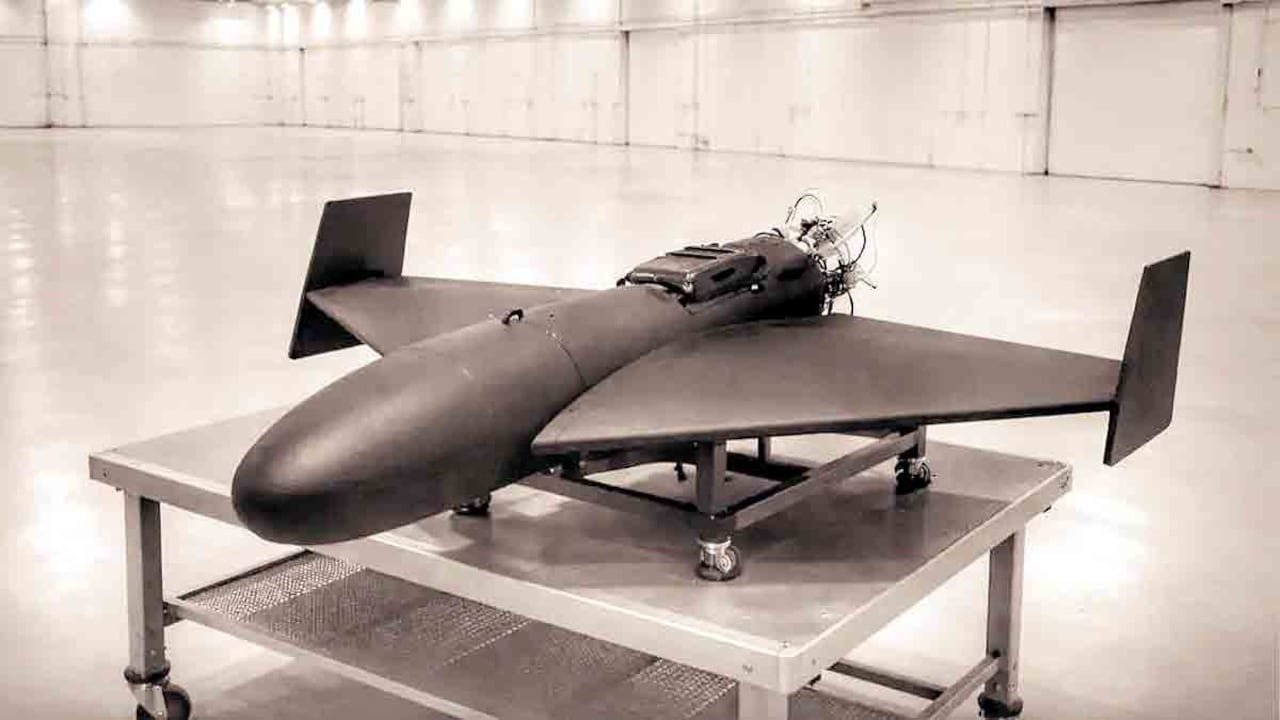
New Delhi, Nov 11: In a major technological leap designed to transform tactical combat doctrines, the Central Reserve Police Force (CRPF) has officially set in motion the acquisition of advanced loitering munitions—popularly known as kamikaze drones—to equip specialized assault units engaged in counter-terror and counter-insurgency operations across Jammu and Kashmir and northeastern theaters.
According to a formal expression of interest floated by the paramilitary force, defense aerospace manufacturers and indigenous drone developers have been invited to submit comprehensive technical bids meeting rigorous field specifications by November 25, 2026. The induction aims to provide frontline tactical commanders with autonomous, precision-guided aerial strike capabilities, significantly reducing risks to ground assault squads during encounters with heavily armed hostile elements.
Unlike standard unmanned aerial reconnaissance vehicles that merely relay optical feeds, loitering munitions possess dual operational capabilities: they can patrol and loiter over designated combat coordinates while providing real-time telemetry, before diving directly onto verified enemy targets to detonate an onboard explosive payload. The operational parameters outlined by the CRPF require the kamikaze systems to carry at least two high-explosive warheads weighing a minimum of 1.5 kilograms each, boast a lethal blast radius of 10 meters, maintain an operational strike range of not less than 15 kilometers, and sustain airborne flight endurance exceeding 30 minutes under diverse topographical and climatic conditions.
Defense analysts indicate that elite units—most notably the Commando Battalion for Resolute Action (CoBRA)—operating in dense forested terrains in Manipur and rugged mountain terrain across Jammu and Kashmir will be the primary beneficiaries of this loitering munition technology. By neutralizing fortified cave hideouts, sniper nests, and ambush redoubts from safe standoff distances, the systems are set to bolster tactical dominance against asymmetrical threats.
Published by True Roots Media