
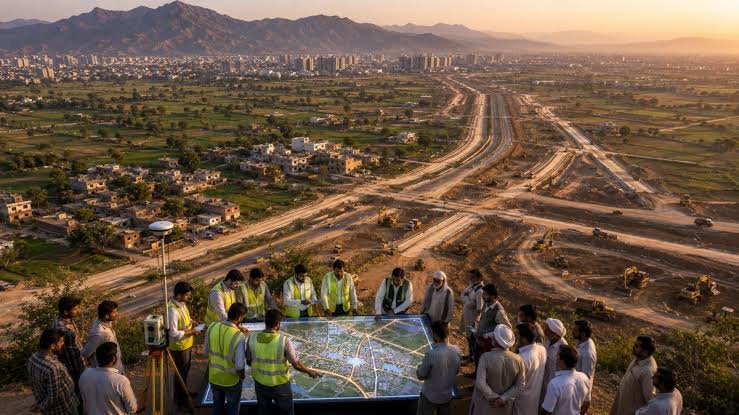
Infrastructure announcements matter. Their real success begins when families experience safer journeys, reliable water and better livelihoods.
By Ashok Sharma | True Roots Media | 19 November 2026
On November 17, Chief Minister Omar Abdullah inaugurated or laid foundation stones for eight projects worth ₹30.72 crore across Jammu, Samba and Kathua districts, according to Daily Excelsior. The works include an ₹11.83-crore livestock breeding facility upgrade at Hakkal, a ₹9.82-crore irrigation project in Samba, and water-supply, bridge and road projects in Kathua. These are reported investments and project milestones, not proof that every announced facility is already operational.
Source: https://www.dailyexcelsior.com/govt-to-take-development-to-every-corner-of-jk-cm/amp
What Development Means to a Family
For a farmer, dependable irrigation means more than a government estimate. It can mean knowing whether a crop will survive a dry spell. For a student, a safe bridge may determine whether school is reachable during heavy rain. For a household, improved water supply can reduce the daily time spent arranging basic necessities.
These everyday realities deserve attention alongside ribbon-cutting ceremonies. In August 2025, flood-relief work at Kattal Battal near Nagrota highlighted how damaged crossings can disrupt families and children’s education. That documented local experience offers a useful reminder: the practical value of infrastructure is measured by access, safety and continuity.
Government investment should be welcomed where it addresses genuine needs. At the same time, residents deserve clear timelines, maintenance arrangements and honest updates when delays arise.
Lessons From Duggar’s Hills
The geography of the Dogra heartland has always shaped community life. Villages scattered across the hills around Ramnagar and Udhampur have relied on local paths, bridges, seasonal water sources and collective effort to remain connected.
Preserving this history is not an argument against modernisation. It is a reason to design development around local conditions rather than assuming that one model fits every settlement.
The newly announced irrigation investment in Samba, for example, should be evaluated through the number of farmers actually served, reliability of water delivery and long-term upkeep. Similar practical measures should accompany the Kathua bridges and water project.
Let Young People Help Track Progress
Jammu’s colleges could encourage students to document public works through supervised field visits, simple data dashboards and interviews with residents. Engineering students could study maintenance challenges, commerce students could examine project budgets, and media students could report on whether promised benefits have reached communities.
Such participation must be factual, respectful and independent. A foundation stone should not be reported as a completed bridge, and a delay should be investigated before assigning blame.
Across the world, transparent project tracking helps communities understand public investment. Jammu can adapt that idea to its villages and towns, using accessible language and publicly available information.
The measure of development is ultimately human: a child reaching school safely, a farmer growing with greater confidence, and a family spending less time struggling for essentials.
Let every announcement begin a public conversation that continues until the work is completed and serving people.