
What Basohli’s centuries-old art can teach us about preserving Dogra identity while creating opportunities for the next generation.
By Ashok Sharma | True Roots Media | 18 October 2026
We often talk about development in terms of roads, industries, jobs, and technology. All of these are important. But I sometimes wonder whether we are paying enough attention to something equally valuable: our cultural heritage.
Across Duggar, we have inherited remarkable traditions, languages, folk stories, craftsmanship, and artistic expressions. Yet how many young people truly understand them?
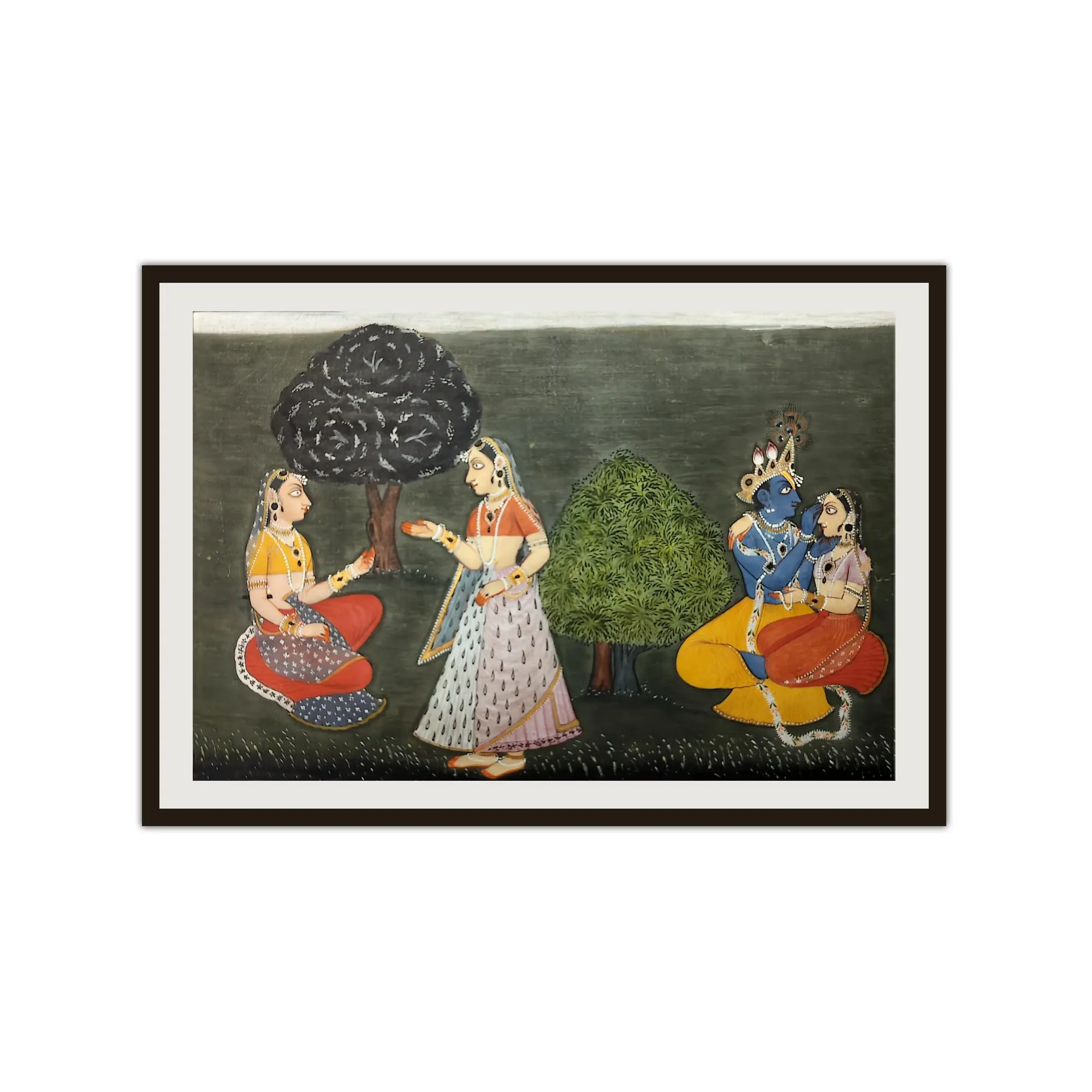
Take the example of Basohli painting from Kathua district.
This distinctive artistic tradition developed during the seventeenth century and became known for its bold colours, expressive faces, and detailed illustrations. It is an important part of the artistic heritage of the Dogra region. In March 2023, Basohli painting received Geographical Indication (GI) recognition.
Think about that for a moment.
Centuries before digital design, social media, and modern creative industries, artists from our hills were producing work that continues to attract appreciation.
And yet, how many of our students have met a Basohli artist, observed the painting process, or considered how traditional craftsmanship might connect with modern design?
Preserving Culture Should Also Create Opportunities
The upcoming Basohli Utsav, scheduled from 19 to 21 October, offers a timely opportunity to reflect on this question.
Celebrating our heritage through festivals is valuable, but preservation must continue beyond the celebrations.
Imagine students of fine arts, photography, design, business, and technology working alongside traditional artisans.
They could help document techniques, create digital catalogues, tell artists’ stories, develop online exhibitions, and explore new markets while respecting the authenticity of the craft.
The objective should not be to replace traditional skills with technology. It should be to help those skills survive and reach new generations, with artisans receiving recognition and fair economic opportunities.
A Thought for Dogra Youth
Our identity is not preserved merely by speaking proudly about our history.
It survives when we learn Dogri, understand our traditions, support local craftsmanship, and pass that knowledge forward.
This week, I would encourage every young person to learn about one traditional art form, folk song, historical personality, or cultural practice from Duggar.
Speak to an elder. Visit an artisan. Ask how a tradition began and how it has changed.
You may discover much more than history. You may discover a skill, an idea, a profession, or an opportunity to contribute.
We should be proud of our roots without becoming disconnected from the wider world.
The real success of preserving Dogra heritage will not be measured only by how beautifully we remember our past, but also by how meaningfully we carry it into the future.
Our heritage deserves more than appreciation. It deserves participation.
How to Share Your Feedback
If you have thoughts that could aid us in enhancing our content quality or any concerns regarding the information presented, please do not hesitate to get in touch.
You can reach us at info@truerootsmedia.com or call us at 91 96544 66895. We genuinely value your input and believe it plays a crucial role in our ongoing commitment to delivering the best reader experience.