
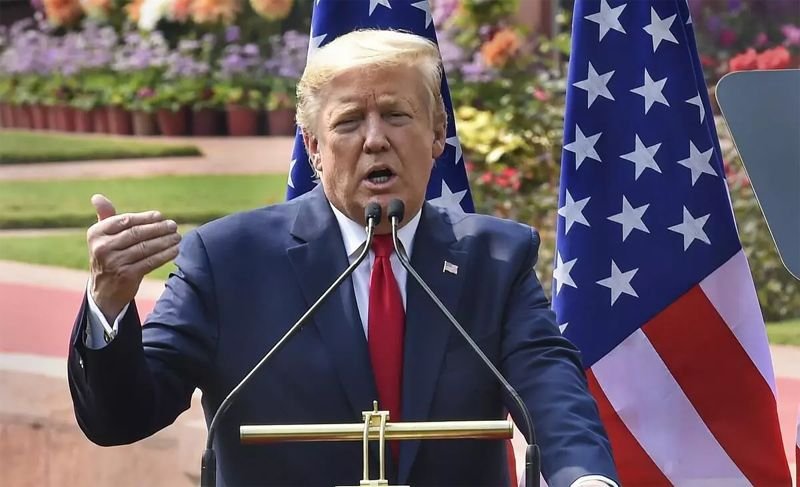
Washington, Nov 10: Facing a major political reckoning following sweeping defeats in the United States midterm elections, President Donald Trump has publicly conceded that his administration’s hard-line immigration enforcement and deportation measures were “too tough.”
The admission came during an interview broadcast on CBS’ 60 Minutes following the November 3 midterms, which saw the Democratic Party flip key Republican seats to recapture control of both the House of Representatives and the Senate. The electoral outcome dealt a sharp legislative blow to the administration, widely viewed as a public referendum on surging consumer inflation, fuel price spikes linked to Middle Eastern conflicts, and aggressive federal deportation drives.
“I think it was too tough. I think it might be too tough,” Trump remarked when questioned regarding his mass deportation directive. Reflecting on the electoral fallout, Trump stated that while his core base lauded strict southern border enforcement, the aggressive removal of long-term residents who were gainfully employed, paying taxes, and holding essential jobs in service and agriculture alienated moderate voters and inflicted severe damage on Republican candidates.
The hard-line immigration climate pursued during his term also carried far-reaching ramifications for skilled foreign workers, particularly Indian technology professionals facing prolonged visa hurdles and residency uncertainties. Paradoxically, shortly after taping the interview, Trump announced the appointment of staunch immigration hardliner Stephen Miller as his White House Chief of Staff, leaving policy analysts skeptical about whether a meaningful softening of executive enforcement will follow.
During the broad-ranging exchange, Trump also reiterated controversial foreign policy claims, asserting that he averted an imminent nuclear conflict between India and Pakistan following cross-border military strikes in May 2025. New Delhi has repeatedly refuted third-party mediation narratives, firmly maintaining that military cease-action agreements following Operation Sindoor were negotiated directly through established Director General of Military Operations (DGMO) institutional channels.
Published by True Roots Media