
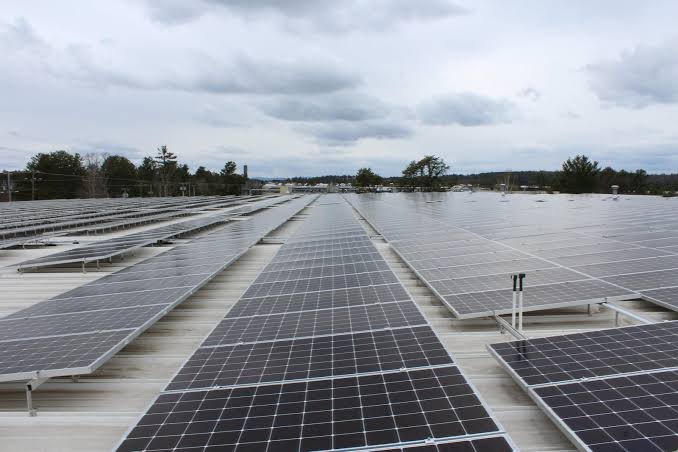
JAMMU, November 3, 2026 – The ambitious plan to establish a 15 MW Hybrid Solar Park in Jammu and Kashmir, aimed at boosting the region’s clean energy footprint, has hit a major roadblock. Despite a high-profile announcement made by Chief Minister Omar Abdullah earlier this year on February 6, the project has seen no progress on the ground for months, primarily due to severe hurdles in land acquisition.
According to official sources, the core issue preventing the project’s takeoff is the failure of the concerned departments and district administrations to identify and finalize suitable, encumbrance-free land for the solar installations.
While thousands of kanals (a local unit of land measurement) of state land reportedly remain encroached upon, vital infrastructure projects like the Hybrid Solar Park are struggling to secure the necessary space. The delay is not only stalling the solar park but also severely hampering the rollout of associated clean energy initiatives, including proposed solar-powered Electric Vehicle (EV) charging stations, upon which no concrete decisions have been made.
Experts and administrative sources point out that while J&K possesses immense solar potential—particularly in its vast, sun-drenched wastelands—harnessing this energy requires more than just policy announcements and review meetings.
“What is now required is speed with discipline,” stated a recent critical assessment of the region’s renewable energy sector. “District administrations must not only identify land but verify its legal, physical, and technical viability without unnecessary delay.”
The delay in J&K mirrors a broader, deepening land acquisition crisis facing renewable energy developers across India, where acquiring and converting land for solar, wind, and hybrid projects can take up to 24 months, significantly driving up project costs.
Sources warn that unless land coordinates are finalized, Detailed Project Reports (DPRs) are prepared, and strict implementation timelines are enforced, the government’s stated objective of transitioning to sustainable, clean energy will remain confined to paper.
The administration is now under increasing pressure to coordinate effectively across departments and fast-track the groundwork to ensure the region can capitalize on its solar potential and secure a sustainable energy future.
Published by True Roots Media Network