
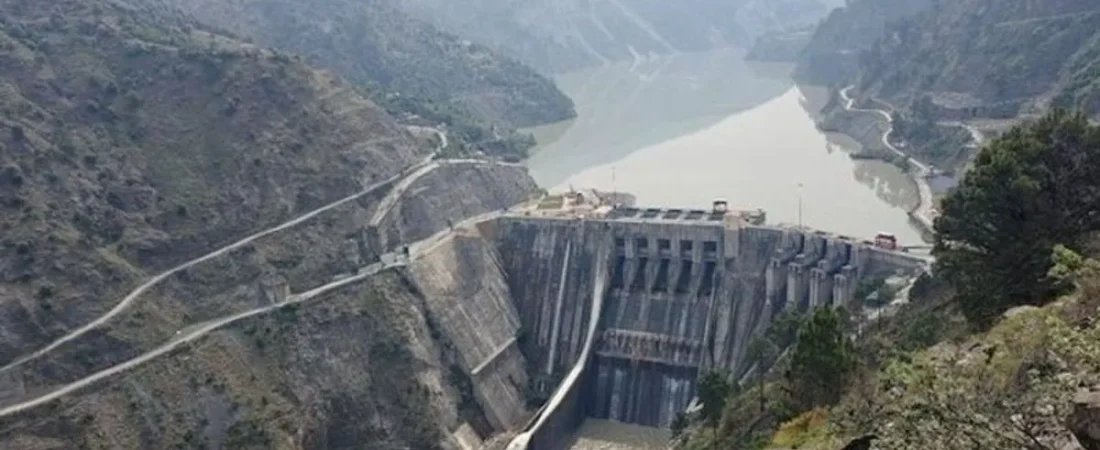
JAMMU, September 3, 2026 – Several decades after its initial conception, the ambitious 1,856-MW Sawalkot Hydroelectric Project in the Ramban district is finally advancing towards execution. The National Hydroelectric Power Corporation (NHPC) is fully prepared to begin construction on what is set to become the largest hydropower utility in Jammu and Kashmir, pending final investment clearances.
1.Tendering and Approvals:
Official sources have confirmed that tenders for the project’s Lot-1 works have already been floated and are ready to be opened once clearance is granted by the Public Investment Board (PIB). Subsequently, the project will require the final nod from the Cabinet Committee on Economic Affairs (CCEA). With both approvals anticipated in the coming months, NHPC is expected to move swiftly into the execution phase.
2.Strategic Post-IWT Revival:
The revival of the Sawalkot project holds immense strategic significance, forming a core component of the Central Government’s post-Indus Waters Treaty (IWT) abeyance strategy. The project’s revival was officially announced on October 10, 2025, just months after the IWT was suspended in the wake of the April 22 Pahalgam terror attack. The government concurrently recommended vital environmental clearances, providing a major impetus to aggressively harness the water resources of the Western Rivers, specifically the Chenab.
3.Land Impact and Rehabilitation:
The massive scale of the project means its components will be spread across three districts, with Ramban bearing the maximum impact. Out of the total 1,401.35 hectares of land required, 1,097.55 hectares fall in Ramban, followed by 197 hectares in Udhampur and 106.8 hectares in Reasi. Recognizing the extensive submergence and displacement, authorities have finalized a comprehensive Rehabilitation and Resettlement (R&R) plan, which includes structured compensation and resettlement entitlements for affected landowners.
The commencement of the Sawalkot project marks a transformative development for Jammu and Kashmir’s power sector. By transitioning from a decades-long stalled scheme to an active construction site, this massive hydroelectric infrastructure is poised to significantly bolster regional energy security.
Published by True Roots Media Network