
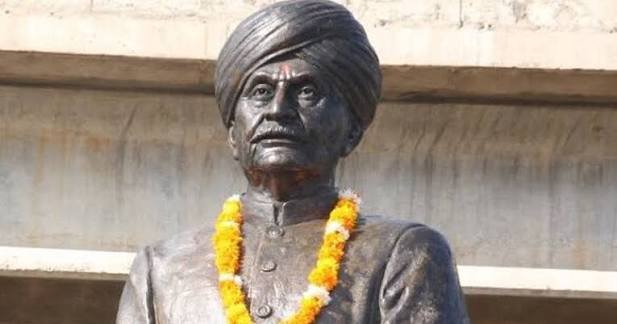
Remembering our leaders should mean more than celebrating their birthdays. It should encourage us to understand their struggles and take responsibility for our society.
By Ashok Sharma | True Roots Media | 25 October 2026
Every year, we celebrate the birth anniversaries of our great leaders, offer floral tributes, and remember their contributions. But I often wonder how many young people truly understand the circumstances in which these personalities lived and the challenges they faced.
Yesterday marked the 142nd birth anniversary of Pandit Prem Nath Dogra, affectionately known as Sher-e-Duggar. Born on 24 October 1884, he became one of Jammu’s prominent political voices during a defining period in the region’s history. His life offers an opportunity to reflect not only on the past but also on the responsibilities of our generation.
A Voice for Jammu During Difficult Times
Following India’s independence, Jammu and Kashmir entered a period of significant political uncertainty. Questions surrounding accession, constitutional arrangements, regional representation, and governance shaped public debate.
Prem Nath Dogra emerged as a leading figure of the Praja Parishad movement, which advocated fuller constitutional integration with India and challenged the policies of Sheikh Abdullah’s government. The movement gained prominence during the 1952–53 agitation, when Dogra and several other leaders were arrested.
These developments were politically contested. Supporters regarded the movement as a struggle for Jammu’s representation and national integration, while its opponents defended the state’s autonomy and criticised aspects of the agitation. Understanding both perspectives is essential to studying our history responsibly.
What Should Our Young Generation Learn?
Leadership is not simply about holding office or becoming popular. It requires conviction, public participation, and a willingness to engage with difficult questions.
Today’s young people face different challenges: unemployment, migration, educational opportunities, infrastructure gaps, and the preservation of regional identity. Our responsibility is to understand these problems and contribute practical solutions.
Imagine students researching Jammu’s political history through archival documents, interviewing historians, visiting historical locations, and discussing how earlier decisions continue to influence public life.
Such activities would encourage critical thinking and help young people form informed opinions rather than merely repeating political slogans.
Remembering History Through Action
Yesterday, a kabaddi tournament was organised in Jammu to commemorate Prem Nath Dogra’s birth anniversary. Such initiatives can connect historical remembrance with healthy activities for young people.
But remembrance should extend beyond annual events.
Schools and colleges could organise historical discussions, establish local archives, and encourage students to research the contributions of personalities from different communities who shaped Jammu and Kashmir.
We can respect our historical leaders while recognising that progress requires fresh ideas, constructive disagreement, and cooperation.
For me, the greatest tribute to any leader is not the number of people who remember their name, but the number who are inspired to serve society.
Our Dogra heritage deserves recognition, our history deserves serious study, and our young generation deserves the confidence to build a better future.
Let us remember our leaders not only for the struggles they fought, but also for the responsibility they leave behind.